








The Sheer Scale of the Surge
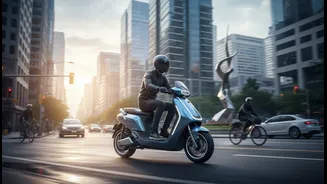
The numbers speak for themselves. In the first half of 2026 alone, electric two-wheeler sales crossed the one million mark by early July, a massive 54% year-on-year growth. This translates to over 5,300 new e-scooters hitting the roads every single day.
What was once a niche market is now mainstream, with electric models accounting for over 10% of all two-wheeler sales in June 2026. This acceleration is fueled by practical concerns like rising petrol prices and a growing desire for more cost-effective, environmentally friendly transport. As a result, cities like Delhi, Bengaluru, and Pune have become hotspots for this green mobility wave.
The Companies Driving the Charge
This boom isn't accidental; it's being driven by fierce competition between established giants and ambitious startups. Legacy players like TVS and Bajaj Auto have successfully leveraged their vast experience and service networks, capturing the top spots in the market. In June 2026, TVS led the pack with nearly 47,000 units sold, closely followed by Bajaj. Meanwhile, tech-focused startups like Ather Energy continue to command a strong following among urban users with their performance-oriented scooters. Hero MotoCorp's Vida brand has also seen explosive growth by tapping into its parent company's extensive dealership network to reach smaller towns. Even Ola Electric, despite a significant drop in market share from its peak, remains a key player through its focus on technology and large-scale production.
The Push from Government Policy
The government has played a crucial role in kickstarting this revolution. Schemes like FAME (Faster Adoption and Manufacturing of Electric Vehicles) have been instrumental. The second phase, FAME-II, which ran until March 2024, provided significant upfront subsidies to buyers, making e-scooters more affordable. It supported the sale of over 1.4 million electric two-wheelers. While those direct subsidies have been phased out and replaced by new schemes like PM E-DRIVE, the initial push helped create a critical mass of users and normalized the idea of electric transport. These policies aim to reduce pollution, cut the nation's oil import bill, and promote domestic manufacturing.
Potholes on the Road Ahead
Despite the impressive growth, the path to full electrification is riddled with challenges. The high initial cost remains a barrier for many consumers, even with potential long-term savings. Concerns about battery safety, amplified by past incidents of fires, still linger in the public mind, especially regarding performance in extreme summer heat. Furthermore, the charging infrastructure, while improving, is far from comprehensive. Many potential buyers suffer from 'range anxiety'—the fear of their scooter running out of power far from a charging point. To counter this, some companies are betting on battery-swapping technology, which allows riders to exchange a depleted battery for a full one in minutes, a model particularly popular with gig economy fleets.
A Cleaner, Quieter, but Complex Future
The e-scooter boom is more than just a business trend; it's a fundamental shift in India's urban landscape. Every scooter sold represents a small victory in the fight against air and noise pollution. For millions, it offers a more affordable way to commute, with running costs significantly lower than petrol vehicles. However, a truly sustainable ecosystem requires more than just vehicle sales. It needs a robust and reliable charging network, a mature after-sales service system, and a solution for battery recycling and disposal. The build quality of vehicles and rider adherence to safety rules, like wearing helmets, are also critical for long-term success and public acceptance.