


What Exactly Is a Dirty Matcha?
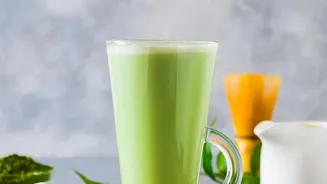
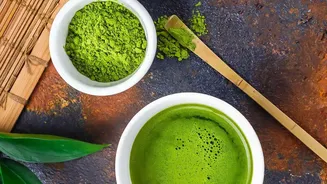
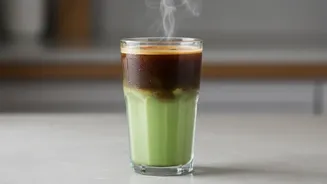
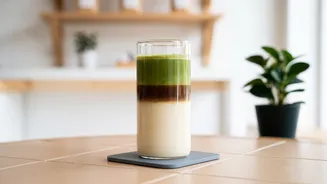
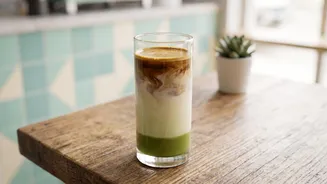
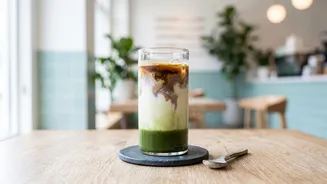
At its core, a dirty matcha is a simple, yet creative, combination. It begins as a standard matcha latte—finely ground green tea powder whisked with water and combined with milk—and is then "dirtied" with a shot of espresso poured over the top. This creates
the drink's signature layered look, with dark coffee streaking through the vibrant green tea, an aesthetic sometimes nicknamed a "camo latte." The term "dirty" is borrowed from the dirty chai, which similarly adds an espresso shot to a spiced tea latte. While it gained significant popularity in Asia around 2016, it has since become a staple in specialty coffee shops worldwide, appealing to those who can't decide between their love for coffee and matcha.
A Tale of Two Buzzes
To understand the appeal of a dirty matcha, you have to understand the two different types of energy it provides. Coffee, powered by caffeine, is a well-known central nervous system stimulant that delivers a quick, potent jolt of alertness. Matcha also contains caffeine, but it comes packaged with a unique amino acid called L-theanine. L-theanine is known for promoting a sense of calm and focus, which modulates the effects of the caffeine it's paired with. Many matcha drinkers report a smoother, more sustained energy lift without the jitters or anxiety that can sometimes accompany a strong cup of coffee. Combining the two creates a complex energy profile: the immediate kick from espresso, potentially smoothed out by the calming influence of matcha's L-theanine.
The Caffeine Calculation
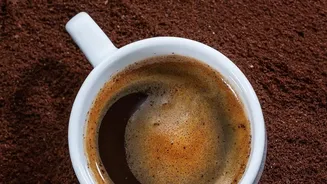
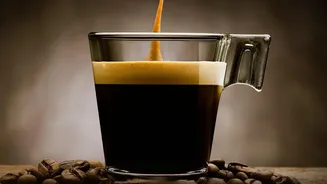
Here’s where context becomes crucial. According to the U.S. Food and Drug Administration, up to 400 milligrams (mg) of caffeine per day is considered safe for most healthy adults. Let's break down a typical dirty matcha. A single shot of espresso contains roughly 63 mg of caffeine. A standard serving of matcha (about 1-2 teaspoons or 2-4 grams of powder) can contain anywhere from 40 mg to 90 mg of caffeine. So, a dirty matcha made with a single shot of espresso and a standard serving of matcha could contain anywhere from 100 mg to over 150 mg of caffeine. Many cafes, however, use a double shot of espresso (around 126 mg) as their standard, pushing the total caffeine content of a single drink to well over 200 mg—more than half the recommended daily limit for an adult.
The Synergy: More Than a Kick?
The combination isn't just about a powerful buzz; it's also about flavour and potential benefits. The earthy, umami notes of matcha can complement the rich, bitter profile of coffee, creating a complex and well-rounded taste, especially when balanced with milk. Beyond taste, you are getting the antioxidant properties from both green tea and coffee. Some studies suggest that the combination of L-theanine and caffeine can enhance cognitive functions like attention and reaction time more effectively than caffeine alone, all while potentially reducing some of caffeine's negative side effects like jitters and increased blood pressure. This creates what some call a "nootropic stack," offering a state of "calm alertness."
Potential Downsides to Consider
Despite the potential for a smoother ride, a dirty matcha is still a high-caffeine beverage. For individuals sensitive to caffeine, or for those who consume multiple caffeinated drinks throughout the day, it can easily push them over the recommended 400 mg limit. Excessive caffeine intake can lead to a host of undesirable side effects, including anxiety, tremors, rapid heart rate, digestive issues, and disrupted sleep patterns. The American Academy of Pediatrics recommends adolescents consume no more than 100 mg of caffeine daily, a threshold that a single dirty matcha can easily exceed. It's a drink that demands awareness of your own tolerance and your total daily intake.
How to Enjoy Dirty Matcha Mindfully
If you're intrigued by the dirty matcha, there are ways to enjoy it responsibly. First, treat it as a potent drink, not a casual thirst-quencher. Consider having it in the morning or early afternoon to avoid impacting your sleep. When ordering, don't hesitate to ask the barista how many shots of espresso they use and how much matcha powder goes into their lattes. You can always request a single shot instead of a double to manage the caffeine load. Most importantly, listen to your body. If you feel jittery or anxious, this particular combination might be too intense for you. The goal is to find a balance that provides the enjoyable focus and flavour you're looking for without the negative side effects.