
A Tale of Two Tastes
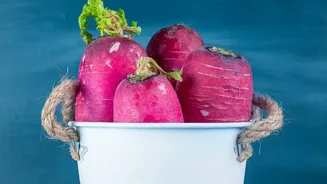
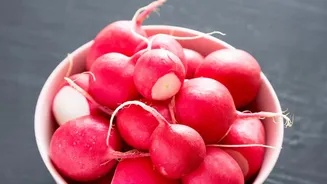
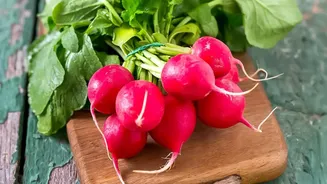
The first thing that separates radish and beetroot is their unmistakable flavour. Bite into a raw radish, and you get a sharp, peppery, and sometimes spicy kick. This pungency comes from compounds called isothiocyanates, the same family of molecules responsible
for the heat in mustard and horseradish. This chemical reaction is actually a defence mechanism for the plant, created only when its cells are broken by slicing or chewing. Beetroot, on the other hand, offers a profoundly different experience. Its flavour is sweet with a distinct earthy overtone. This 'earthiness' is caused by a compound called geosmin, the same molecule responsible for the scent of soil after a rainstorm. Human noses are incredibly sensitive to geosmin, which is why some people love beets and others find they taste too much like dirt.
The Nutritional Showdown
Given their polar-opposite tastes, you might expect their nutritional profiles to be just as different. However, the reality is more nuanced. Both vegetables are low in calories, with radish being exceptionally so (about 16-19 calories per 100g) compared to beetroot (about 43-58 calories per 100g). Beetroot's higher calorie count is due to it containing more carbohydrates and natural sugars. In the vitamin and mineral department, they trade blows. Radish is an excellent source of Vitamin C, an important antioxidant. Beetroot, while containing some Vitamin C, is a champion for folate (Vitamin B9), which is crucial for cell growth, and provides more iron and potassium. Both are good sources of dietary fibre, which aids digestion.
Unique Health Compounds
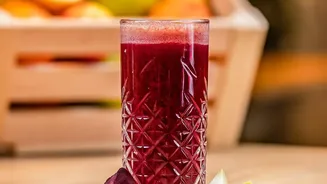
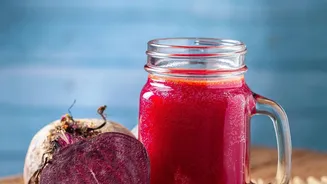
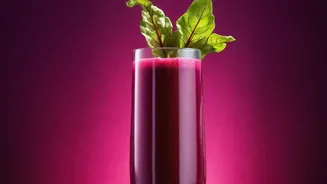
Beyond the basic vitamins and minerals, each vegetable boasts unique compounds linked to specific health benefits. Beetroot's vibrant red colour comes from pigments called betalains. These are powerful antioxidants that have been studied for their anti-inflammatory and chemo-preventive properties. Beets are also famously rich in dietary nitrates, which the body converts to nitric oxide. This molecule helps relax blood vessels, which can improve blood flow and help regulate blood pressure. The spicy compounds in radishes, glucosinolates and isothiocyanates, are not just for flavour. Research suggests these sulfur-containing compounds may play a role in managing blood sugar and have antioxidant properties. Radishes also contain other antioxidants like anthocyanins.
On the Indian Plate
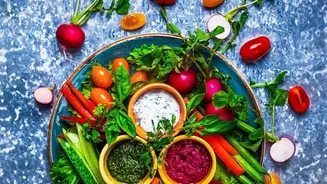
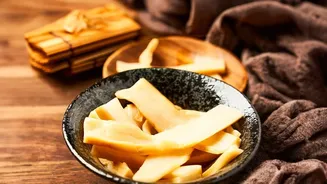
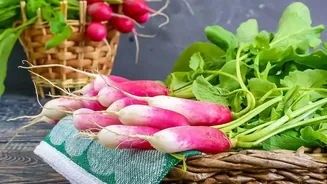
In Indian cuisine, taste and texture dictate how these two roots are used. The sharp crunch of mooli makes it a star in salads, pickles (achar), and as a stuffing for the popular mooli paratha. It's also added to sambar in South India, where it's known as mullangi. Its peppery notes are a welcome contrast in many dishes. Beetroot's sweetness and earthy flavour lend themselves to a different set of preparations. It is often cooked into sabzis and curries, where its flavour mellows. Its vibrant colour and sweetness are harnessed in dishes like beetroot halwa, while its earthy notes are balanced in cooling raitas and South Indian poriyal (stir-fry) or pachadi.