





The Government's Green Signal
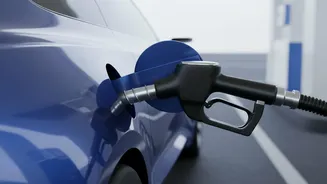
In a formal statement, the government has defended its Ethanol Blended Petrol (EBP) programme, confirming that E20 fuel is safe for vehicles under prescribed standards. According to the Minister of State for Petroleum and Natural Gas, Suresh Gopi, this
conclusion is based on extensive testing and large-scale field experience. The announcement aims to quell anxieties among consumers about the impact of petrol blended with 20% ethanol on their cars and motorcycles. The government emphasized that this initiative is crucial for India's energy security, helping to reduce the country's heavy reliance on imported crude oil and insulating it from global price shocks.
Inside the Extensive Testing Process
The validation of E20 fuel wasn't a cursory check. It was a scientifically rigorous process involving multiple expert bodies. Key institutions like the Automotive Research Association of India (ARAI), the Society of Indian Automobile Manufacturers (SIAM), Indian Oil Corporation (IOC), and the Indian Institute of Petroleum conducted extensive lab studies and field trials. These tests assessed a wide range of parameters, including engine durability, material compatibility, corrosion resistance, drivability, and fuel efficiency. The phased rollout of higher ethanol blends, from E10 to E20, was done in close consultation with these stakeholders to ensure a smooth and safe transition.
What About Older Vehicles?
A major point of concern for many Indians has been the fuel's effect on 'legacy vehicles'—those not originally manufactured to be E20-compliant. The government's statement directly addressed this, reporting that studies established even these older vehicles do not show significant variations in performance or abnormal wear and tear from E20 use. In fact, real-world data from leading manufacturers supports this claim. One major automaker serviced 2.84 crore vehicles in 2025-26, including about 1.5 crore that were not E20-certified, and reported no abnormal corrosion or reduction in component life linked to the fuel. Manufacturers have also continued to honour warranty obligations for vehicles using E20, signalling their confidence in its compatibility.
The Bigger Picture: Why E20 Matters
The push for E20 fuel is a cornerstone of India's long-term energy and environmental strategy. Blending ethanol, a biofuel produced from agricultural sources like sugarcane, helps achieve several national goals. Firstly, it reduces the oil import bill, which is expected to save the country thousands of crores annually. Secondly, it lowers harmful emissions, including carbon monoxide and other pollutants, contributing to cleaner air in urban centres and helping India meet its climate change commitments. Finally, it provides a stable source of income for farmers and boosts the rural economy by creating a consistent demand for agricultural feedstocks.
Mileage and Performance Explained
While safety concerns about corrosion have been addressed, some drivers have reported a slight dip in mileage. This is because ethanol has a slightly lower energy content than petrol. Government studies and manufacturers acknowledge a potential fuel efficiency reduction of around 3-6%, depending on the vehicle's age and type. However, they also note that E20 has a higher octane rating, which can improve engine performance, prevent knocking, and lead to smoother acceleration. Experts clarify that mileage is influenced by many factors, including driving style, tyre pressure, and vehicle maintenance, which often have a greater impact than the fuel type itself.