





The Reality: A Nutritional Powerhouse
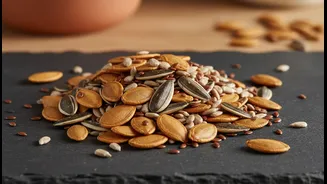
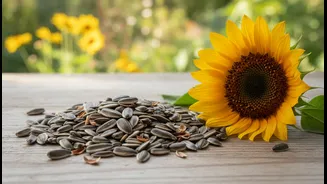
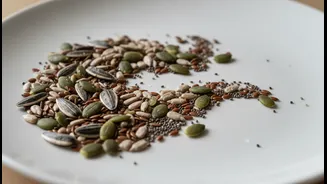
Let’s start with the facts. Sunflower seeds are an exceptional source of Vitamin E. Just a one-ounce (about 28 grams) serving can provide a significant portion of your daily recommended intake. Vitamin E is a fat-soluble antioxidant, which means it plays
a crucial role in protecting your cells from damage caused by free radicals. Free radicals are unstable molecules that can result from normal metabolic processes or external factors like pollution and, yes, UV radiation. They contribute to oxidative stress, which is linked to chronic diseases and ageing. By neutralizing these harmful molecules, Vitamin E helps defend your body from the inside out, supporting your immune system and overall health.
More Than Just Vitamin E
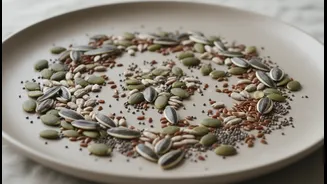
The benefits of sunflower seeds don't stop with Vitamin E. These tiny kernels are packed with other essential nutrients. They are a good source of healthy polyunsaturated and monounsaturated fats, particularly linoleic acid, which can help manage blood pressure and cholesterol levels. They also provide plant-based protein, fibre, and minerals like magnesium, selenium, and zinc. Selenium works alongside Vitamin E as a potent antioxidant, while magnesium is vital for heart, bone, and nerve health. Adding a handful of sunflower seeds to your salad, yoghurt, or oatmeal is a simple and delicious way to boost the nutritional quality of your diet.
The Myth: An Edible Sunscreen
Now for the myth. The idea that you can eat your sunscreen is an appealing but dangerous oversimplification. While dietary antioxidants like Vitamin E do play a role in your skin’s overall health and resilience, they are not a substitute for topical sunscreen. Some studies suggest that a diet rich in antioxidants may, over several weeks, offer a very minimal level of internal protection against UV damage by helping the body manage oxidative stress. However, this effect is incredibly small and not nearly enough to prevent sunburn, premature ageing, or skin cancer. The belief that a handful of seeds can shield you from the harsh Indian sun is a harmful misconception.
How Sunscreen Actually Works
To understand why food can’t replace sunscreen, it helps to know how sunscreen works. Sunscreens are specifically formulated to create a protective barrier on your skin. Mineral sunscreens, containing zinc oxide or titanium dioxide, physically block or reflect the sun's ultraviolet (UVA and UVB) rays. Chemical sunscreens absorb UV radiation and convert it into heat, which is then released from the skin. This is a direct, physical line of defence against the radiation that causes sunburn and DNA damage. Vitamin E consumed in your diet works internally at a cellular level but provides no such physical barrier on the surface of your skin. It cannot stop UV rays from penetrating your skin in the first place.
The Smart Strategy: Combine, Don’t Replace
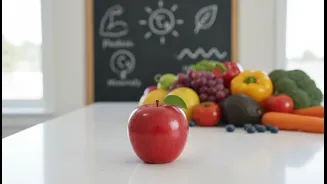
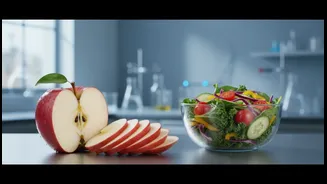
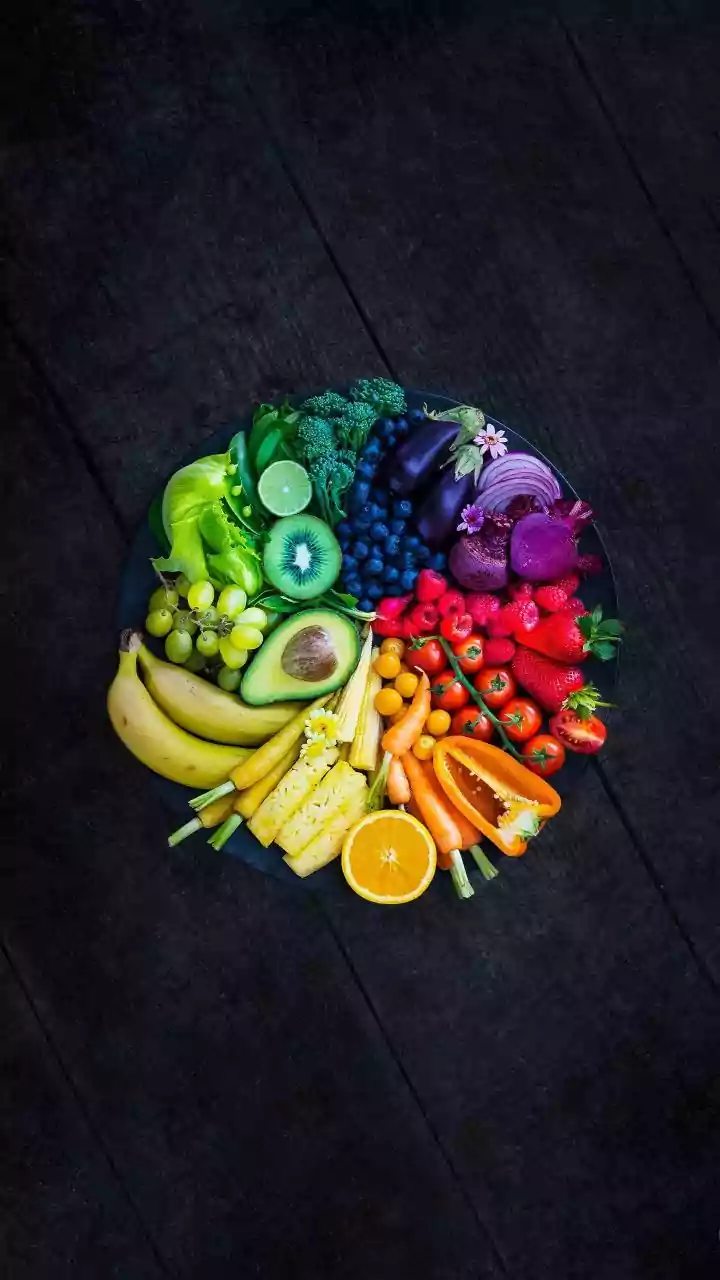
The most effective approach to sun safety is a two-pronged one. Think of a healthy diet and sunscreen as partners, not competitors. Continue to enjoy nutrient-dense foods like sunflower seeds, leafy greens, and colourful fruits. The antioxidants they provide, including Vitamin E, will help support your body’s natural defence and repair mechanisms, fighting the cellular damage that UV exposure can cause. Some topical sunscreens even include Vitamin E in their formulas to provide extra antioxidant benefits and help stabilize the product. But this internal nutritional support must always be paired with the essential external protection of a broad-spectrum sunscreen with a high SPF, along with seeking shade and wearing protective clothing.