

The Labyrinthine Medina
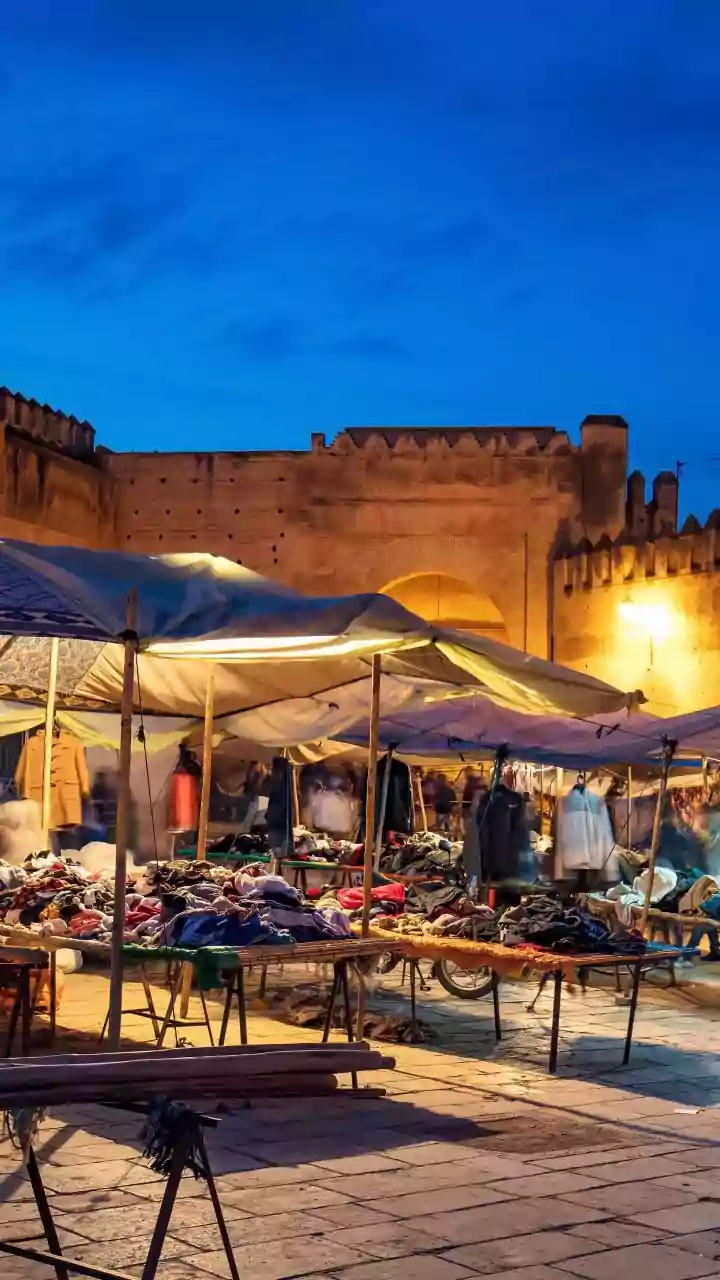
The ancient walled cities, or medinas, of Fes and Marrakech are UNESCO World Heritage sites for a reason—they are mesmerising, living museums. However, their narrow, winding alleys were designed long before GPS and can be incredibly disorienting. It’s
almost a rite of passage to get lost. The frustration arises when unsolicited 'guides' appear, insisting a street is closed or offering to help, only to lead you on a confusing route and then demand an aggressive tip. To avoid this, download an offline map and pin your hotel before you start exploring. If you do get lost, ask a shopkeeper or a family for directions rather than a young man hanging around a corner, as they are less likely to expect payment.
High-Pressure Souk Tactics
Shopping in a Moroccan souk is a sensory explosion, but the sales culture can feel overwhelming. Unlike the fixed-price shopping many are used to, most transactions involve bargaining. The frustration isn't the haggling itself—which is a local custom—but the sometimes aggressive and persistent tactics of vendors. You might be physically pulled into a stall or guilt-tripped for showing fleeting interest. The key is to remain polite but firm. A simple 'la, shukran' ('no, thank you' in Arabic) with a smile usually works. Don’t be afraid to walk away if you feel pressured. Only engage in bargaining if you are genuinely interested in an item, and remember that it's a friendly negotiation, not a fight.
The Unsolicited 'Help'
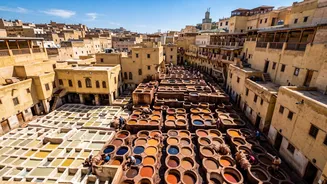
In major tourist areas, a friendly offer of help often comes with a hidden price tag. This can range from someone carrying your bag a few feet to 'showing' you a 'free' view of the tanneries. The infamous tannery scam involves a local offering a tour, which ends at a relative’s leather shop with intense pressure to buy something at an inflated price. Another common issue is with performers in squares like Jemaa el-Fna in Marrakech; a snake charmer might place a snake on your shoulders or a woman might start applying a henna tattoo without your consent, both followed by an aggressive demand for payment. The best defence is a polite but firm refusal from the start. Keep your hands in your pockets if you must and avoid engaging.
Restaurant & Taxi Traps
Most dining experiences in Morocco are wonderful, but a few tourist-focused restaurants might present issues. A common complaint is the 'menu switch', where you order from one menu but are presented with a bill corresponding to a different, more expensive one. Some might also charge for bread and water that seemed complimentary. Similarly, taxi rides can be a source of frustration. Many drivers, especially in tourist-heavy areas, will refuse to use the meter and quote a highly inflated flat rate. Always insist on using the meter ('conteur' in French) before you get in the car. If the driver refuses, simply wait for another taxi.
The 'Instagram Effect' Overload
Some of Morocco’s most iconic spots, like the blue city of Chefchaouen, have become victims of their own social media fame. While undeniably beautiful, the constant quest for the perfect photo has transformed parts of the city into what can feel like an open-air photo studio rather than a living town. This can lead to overcrowding and a sense of inauthenticity, where the experience is more about queuing for a photo spot than soaking in the local culture. Furthermore, it's crucial to respect photography etiquette; always ask for permission before taking pictures of people or their shops, as many locals dislike being photographed without consent.