




The Science of Sweetness
Unlike fruits like bananas or mangoes, lychees are what botanists call 'non-climacteric'. This simply means they are harvested fully ripe and do not continue to ripen or get sweeter after being picked. Fruits like bananas are 'climacteric', meaning they are picked with
starch reserves that convert into sugar over time. Lychees don't do this. They have to be harvested at their peak sweetness. If they are picked too early, they will remain sour and astringent. This is why your selection process at the fruit vendor is not just a preference, but a necessity for enjoying this seasonal delight.
A Five-Sense Guide to Buying
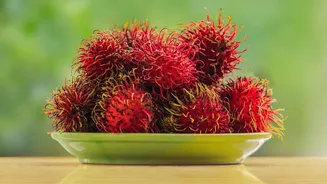
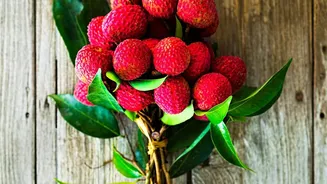
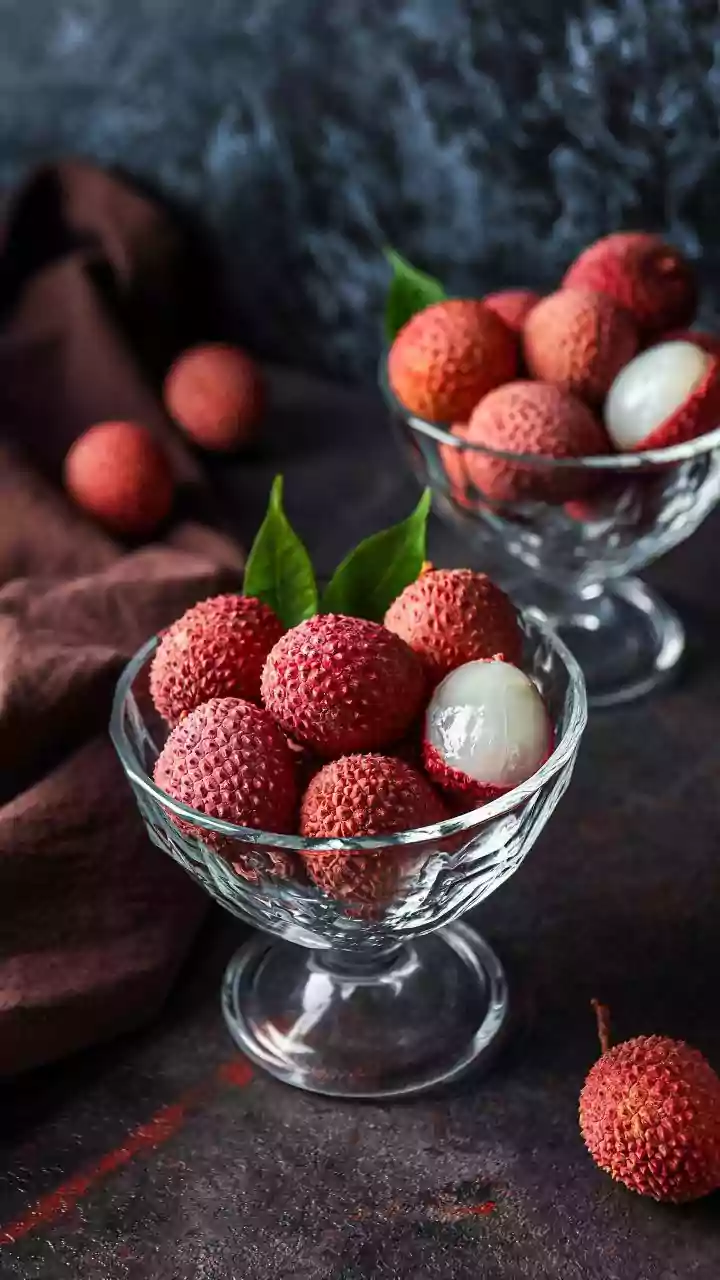
Choosing the perfect bunch of lychees is an art that involves all your senses. For most popular Indian varieties like Shahi or Bombai, your eyes should look for a vibrant, bright pink or reddish colour. Avoid fruits that are mostly green, as this is a sign they were picked before they were ready. A gentle squeeze is your next test. The fruit should feel firm yet springy, giving slightly under pressure without feeling mushy. A hard, unyielding lychee is likely unripe, while a very soft or wet one is overripe and possibly fermented. Bring the fruit close and inhale; a ripe lychee will have a light, sweet, and floral fragrance at the stem end. If you smell anything sour, alcoholic, or vinegary, it's a clear warning sign to stay away. Finally, look for fruits that are plump and feel heavy for their size, which often indicates a juicier pulp inside.
Red Flags to Watch Out For
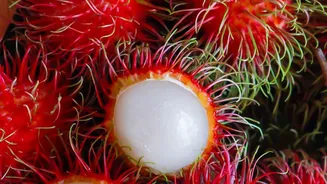
Knowing what to avoid is just as important as knowing what to look for. Steer clear of lychees with brown or black patches, as this indicates they are past their prime. While some browning can occur from dehydration in air-conditioned shops, extensive dark spots are a bad sign. Cracked or leaking skins are another major red flag, as this means the fruit is likely overripe and may have started to rot, providing an entry point for mould and bacteria. If the skin feels soggy or disintegrates upon touch, the fruit is definitely spoiled. The flesh of a good lychee should be a translucent white; if you peel one and find the flesh is discoloured or yellow-brown, it should not be eaten.
How to Store Your Perfect Haul
Once you've brought home your carefully selected lychees, proper storage is key to maintaining their freshness. If you plan to eat them within a day or two, they can be kept at room temperature. For longer storage, the refrigerator is your best friend. Place the lychees in a plastic bag or a container to protect them from the dry air, which can cause their beautiful red skins to turn brown. Adding a paper towel to the bag or container can help absorb any excess moisture and prevent them from becoming soggy. Stored this way, lychees can last for up to a week in the fridge. It's best to wash them just before you are ready to eat, as rinsing them earlier can introduce moisture that speeds up spoilage.
Enjoying the Fruits of Your Labour
The fleeting lychee season, typically running from May to late June in most parts of India, is something to be savoured. The most popular Indian varieties include the GI-tagged Shahi from Bihar, known for its aroma and juicy pulp, and the Bombai variety from West Bengal. Peeling a ripe lychee should be easy; the skin should come away without much trouble. Simply pierce the skin with a fingernail and peel it back to reveal the sweet, fragrant flesh inside. Remember to discard the single, glossy brown seed, as it is inedible. Whether enjoyed fresh on their own, added to a fruit salad, or blended into a refreshing summer drink, a perfectly chosen lychee is one of summer's greatest and simplest pleasures.