






Beyond Just the Smell
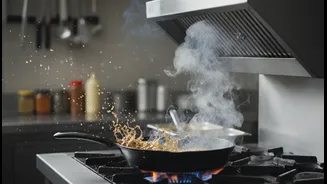
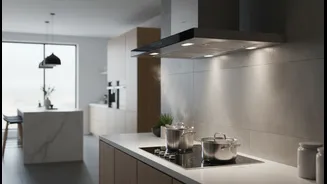
The most obvious job of a kitchen exhaust fan, or range hood, is to eliminate cooking odours. While no one wants the smell of last night's fried fish lingering until morning, the fan’s most important work is tackling threats you can't even see or smell.
The real reason to keep it running is to combat the invisible byproducts of cooking that can affect your health and home environment. Even after the aroma has faded, microscopic particles and gases remain suspended in the air. These pollutants are the primary targets that a good ventilation habit aims to eliminate.
The Unseen Enemy: Indoor Air Pollution
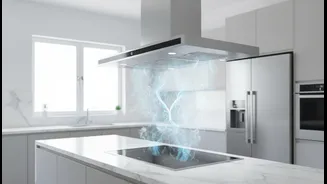
The simple act of cooking, especially on a gas stove or at high temperatures, releases a cocktail of pollutants into your home. These include fine particulate matter (PM2.5), nitrogen dioxide, carbon monoxide, and volatile organic compounds (VOCs) like formaldehyde. These tiny particles can be inhaled deep into the lungs, potentially causing respiratory irritation, triggering asthma, and contributing to long-term health issues. Studies have shown that indoor pollutant levels can be two to five times higher than outdoor levels, with cooking being a major contributor. Letting your exhaust fan run helps capture and vent these harmful contaminants before they spread throughout your house.
A Defense Against Grease and Grime
Cooking, particularly frying and searing, aerosolizes grease particles. Without an exhaust fan to capture them, these particles embark on a journey through your kitchen, eventually settling as a sticky, grimy film on cabinets, walls, backsplashes, and other surfaces. This greasy layer is not just unpleasant; it's a magnet for dust and dirt, making cleaning a much harder chore. By running your fan, you actively pull these grease-laden droplets out of the air before they have a chance to land, keeping your kitchen cleaner for longer and protecting your cabinetry and paint from long-term buildup.
Winning the War on Moisture
Boiling pasta, simmering soup, or steaming vegetables all release a significant amount of moisture into the air. This excess humidity can be just as problematic as grease. When warm, moist air meets cooler surfaces like windows, walls, and cabinets, it condenses. Over time, this can lead to peeling paint, warped wood, and, most concerningly, the growth of mould and mildew. A properly functioning exhaust fan is your best defence, pulling that steam-filled air out of the kitchen before it can cause damage or create an unhealthy environment.
The 15-Minute Rule of Thumb
So, how long is long enough? Most experts agree that you should keep the exhaust fan running for 10 to 15 minutes after you've finished cooking. This gives the fan ample time to clear the lingering pollutants, grease, and moisture that continue to emanate from hot pans and cooling burners. The most significant exposure to pollutants can actually occur in the hour after cooking is complete, as they linger in the air. Turning the fan on when you start cooking and leaving it on for that extra 15 minutes is a simple habit that makes a major difference in your indoor air quality.