



Our Energy Lifeline: The Strait of Hormuz
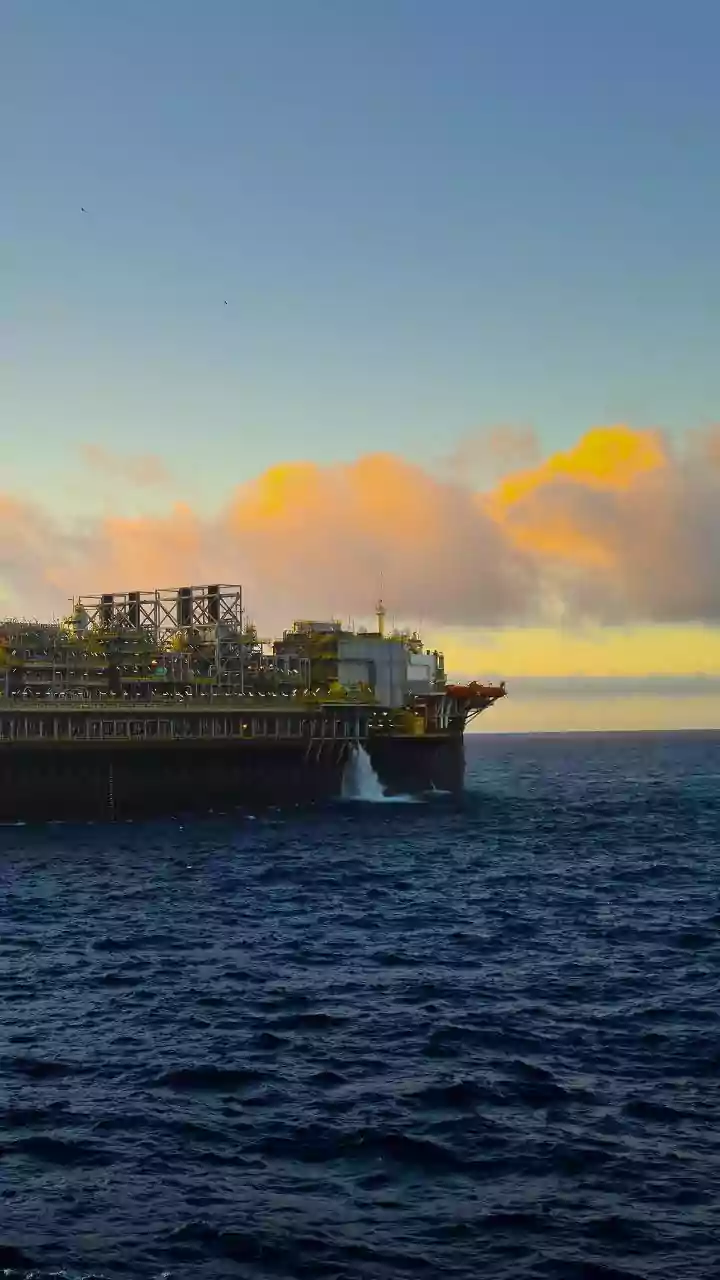
The first and most critical chokepoint is the Strait of Hormuz, a narrow waterway connecting the Persian Gulf to the open ocean. It is India’s primary energy artery. A significant portion of India's crude oil and nearly all of its imported Liquefied Natural
Gas (LNG) and Liquefied Petroleum Gas (LPG) must pass through this strait. Geopolitical instability in the region, particularly involving Iran, poses a constant threat. Any military conflict or deliberate blockade could instantly halt a massive portion of our energy supply, sending shockwaves through the economy. This dependency means events thousands of kilometres away can directly influence fuel prices and the availability of cooking gas for over 330 million Indian households.
Our Trade Artery: The Strait of Malacca
The second chokepoint, the Strait of Malacca, is one of the busiest shipping lanes in the world, linking the Indian Ocean to the Pacific. While less critical for our Middle Eastern oil imports, it is a vital corridor for a large share of India's overall trade with Southeast and East Asian nations. This includes imports of electronics, machinery, and crucial industrial components. Furthermore, any energy supplies sourced from regions beyond the Middle East, such as Russian crude destined for our eastern coast refineries, often traverse this route. Congestion, piracy, and regional tensions make this strait another point of vulnerability, where disruptions can snarl supply chains and impact the cost of a wide range of goods.
The Ripple Effect: From Global Chokepoints to Your Wallet
When these chokepoints are threatened, the impact is not just geopolitical—it’s personal. A disruption can cause a sudden spike in global crude oil prices. For India, which imports over 85% of its oil, this translates directly into higher prices at the petrol pump. But the effects go further. Higher fuel costs increase transportation expenses for everything from vegetables to consumer goods, contributing to wider inflation. Businesses face higher operating costs, and the government's import bill swells, putting pressure on the national budget and the value of the rupee. Ultimately, instability in these sea lanes creates economic uncertainty that affects every Indian household and business.
A Household Guide to Energy Resilience
While you can't control geopolitics, you can reduce your vulnerability to energy shocks. Start by focusing on efficiency. Switching to LED bulbs and using 5-star rated appliances can significantly cut your electricity consumption. Set your air conditioner to a default of 24°C, as every degree lower increases power usage. Unplugging devices like chargers and routers when not in use stops 'phantom' power drain. For a more significant step, consider installing a rooftop solar power system or a solar water heater. Government schemes can make this more affordable, reducing your reliance on the grid and insulating you from future price hikes. Even simple habits, like running washing machines with full loads and using natural light, add up.
A Business Guide to Future-Proofing Operations
For Micro, Small, and Medium Enterprises (MSMEs), which are particularly vulnerable to rising energy prices, efficiency is key to survival and growth. Start with a professional energy audit to identify areas of waste. Investing in energy-efficient technologies like variable frequency drives (VFDs) for motors or upgrading to modern cooling systems can offer substantial long-term savings. Installing rooftop solar panels can lock in electricity costs and reduce dependence on a volatile grid. Beyond energy, businesses should also review their supply chains. Diversifying suppliers and understanding logistical risks can help mitigate the impact of disruptions. Implementing energy management systems (EMS) allows for real-time monitoring and helps build a more resilient, cost-effective operation.