






A Diplomatic Flock Arrives in Geneva
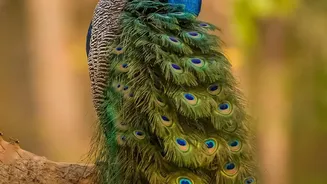
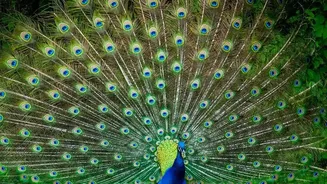
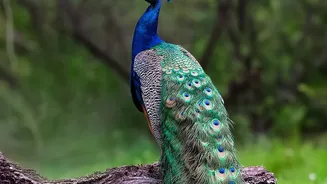
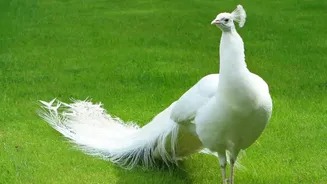
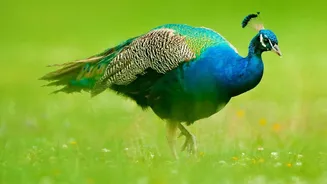
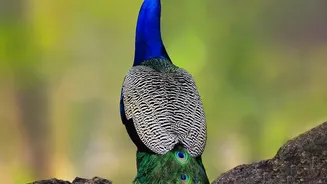
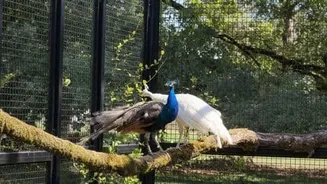
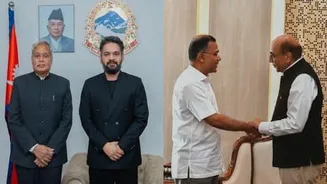
In a ceremony rich with symbolism, India formally gifted five young peacocks to the United Nations Office at Geneva (UNOG). The flock, consisting of four classic blue peacocks and one rare white one, was handed over by India's Permanent Representative,
Ambassador Arindam Bagchi, to the UN Geneva Director-General, Tatiana Valovaya. This act renews a decades-old tradition, as India had previously donated a pair of peacocks in 1981 under then-Prime Minister Indira Gandhi. The new arrivals will spend about three months in a temporary enclosure within the scenic Ariana Park, the UN's European headquarters, before they are allowed to roam freely, joining the park's existing peacock population. This donation was hailed as a celebration of India's natural heritage and its enduring partnership with the United Nations.
More Than Just a Beautiful Bird
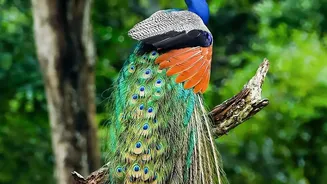
The choice of the peacock is deeply significant. As India's national bird since 1963, the Indian Peafowl, or Pavo cristatus, represents grace, pride, and beauty in the national consciousness. Its importance, however, runs much deeper in Indian culture and mythology. In Hinduism, the peacock is associated with several deities, most notably as the vehicle for Kartikeya, the god of war, symbolising courage and integrity. Its feathers are famously linked with Lord Krishna, while the bird is also associated with Lakshmi, the goddess of wealth and prosperity, and Saraswati, the goddess of knowledge. For centuries, it has been a recurring motif in art, architecture, and folklore, representing everything from royalty and power—as seen in the legendary Peacock Throne—to nature and harmony. By gifting these birds, India is sharing a living piece of its rich cultural and spiritual tapestry.
The Art of Soft Power Diplomacy
This donation is a textbook example of "soft power," where a country uses cultural attraction and diplomacy rather than coercion to achieve foreign policy goals. Much like China's famed "panda diplomacy," gifting animals with national significance fosters goodwill and strengthens bilateral ties. UN officials noted the symbolic colours of the flock—blue and white—mirrored the colours of the United Nations itself, adding another layer of meaning to the gesture. The Indian mission stated that the peacock represents the country's commitment to biodiversity and environmental stewardship. By reviving this tradition, India not only adds to the biodiversity of the historic Ariana Park but also reinforces its image as a cooperative global partner committed to multilateralism.
A Storied New Home at Ariana Park
The peacocks are not entering an unfamiliar environment. Ariana Park has been home to these majestic birds for over a century, a tradition that predates even the United Nations. The practice began in 1890 when the original owner, Gustave Revilliod, bequeathed the estate to the city of Geneva with the condition that his beloved peacocks be allowed to roam freely forever. Over the years, the park's peacock population has been supplemented by donations, including from a Japanese zoo in 1997. India's latest gift serves to replenish the flock, which had reportedly dwindled to a single bird, ensuring this unique tradition continues for years to come. The 46-hectare park, overlooking Lake Geneva, is considered a dream habitat for the birds, who will be cared for by staff from both the UN and the Geneva Bioparc.