







The Serving Size Illusion
The first thing to check on any cereal box is the serving size listed on the Nutrition Facts panel. This is the foundation for all the other numbers, including calories, sugar, and fibre. Manufacturers often use a small serving size, typically around
30 to 45 grams, to make the nutritional values seem more appealing. For example, a cereal with 10 grams of sugar per serving might not sound too bad. However, the serving size could be a mere three-quarters of a cup. If you, like most people, pour a much larger amount into your bowl, you could easily be consuming double or even triple the listed sugar and calories without realizing it. This discrepancy is where many well-intentioned breakfast choices go wrong.
What Does a 'Serving' Actually Look Like?
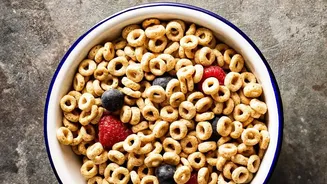
Cereal shapes and densities vary wildly, meaning a 30-gram serving of a dense granola looks very different from a 30-gram serving of light, puffed rice. One of the most revealing things you can do is to actually measure out the recommended serving size at home. Use a measuring cup or a kitchen scale just once. You will likely be surprised by how small the portion is compared to what you normally eat. This single action provides a powerful visual reference for what the numbers on the side of the box actually represent. Understanding this helps you adjust your portion or, alternatively, recalculate the nutrient intake based on the amount you genuinely consume.
Your Post-Serving Size Checklist
Once you have a realistic grasp of serving size, you can properly evaluate the cereal's nutritional profile. A good rule of thumb is to look for cereals that help you meet your nutritional needs, not exceed your limits. Aim for a cereal with at least 3 to 5 grams of fibre per serving, which helps with satiety and digestive health. When it comes to sugar, less is always more. Try to find options with no more than 6 to 8 grams of added sugar per serving. Lastly, check the ingredients list. The first ingredient should ideally be a whole grain, like whole wheat, oats, or bran, ensuring you get the full benefits of the grain.
Decoding Front-of-Box Buzzwords
Cereal boxes are prime real estate for marketing claims designed to give a product a 'health halo'. Words like “multigrain,” “natural,” or “fortified with vitamins and minerals” can be misleading. While not necessarily false, these claims don't guarantee the product is healthy overall. Studies have shown there is often little correlation between these front-of-box claims and the actual nutritional quality of the cereal. A cereal can be made with whole grains but also be loaded with sugar. Another can be fortified with vitamins but offer almost no fibre. Always let the Nutrition Facts panel, not the flashy claims on the front, be your ultimate guide.
A Simple Rule for the Cereal Aisle
To simplify your shopping trip, adopt a quick scanning method. First, glance at the serving size to ground your expectations. Next, look for a fibre content of 5 grams or more and a sugar content of 5 grams or less per serving. This “Rule of Fives” is a helpful starting point for quickly sorting the better options from the not-so-great ones. While not every perfect cereal will hit these exact numbers, it is an effective filter that weeds out many of the overly sugary, low-fibre options disguised as a healthy start to your day. Pairing your chosen cereal with protein like milk, yoghurt, or nuts can also create a more balanced and filling meal.