







A Landmark for Indian Hospitality
The World's 50 Best Hotels list is one of the most prestigious rankings in the travel industry, voted on by a global academy of experts. While the top 50 spots garner the most attention, the 51-100 extended list shines a light on properties that are defining
the future of travel. For India, having two hotels make this cut is a powerful statement. It signals that the country's unique brand of luxury—deeply rooted in history and culture—is being recognized on the world stage. This isn't just about five-star amenities; it's about the authenticity and exceptional service that transform a stay into an unforgettable experience.
The Jewel of Jaipur: A Royal Legacy
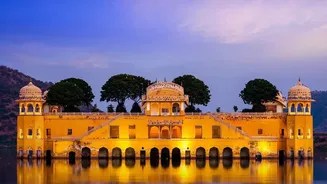
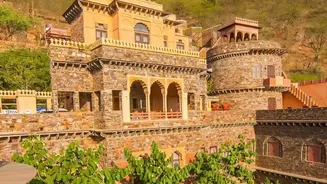
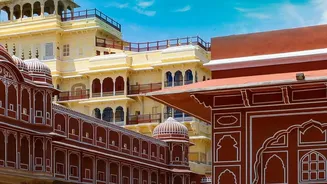
One of the honorees, Rambagh Palace in Jaipur, is often called the 'Jewel of Jaipur'. Originally built in 1835, it was the former residence of the Maharaja of Jaipur. Managed by Taj Hotels, the palace has been meticulously preserved, allowing guests to step back into a regal era. With sprawling gardens, opulent suites that once hosted royalty, and a celebrated polo bar, Rambagh offers more than just a luxurious stay—it offers a living history. Its inclusion on global lists is a testament to its ability to blend a rich past with the highest standards of modern hospitality, earning it thousands of five-star reviews from travellers worldwide.
The Lakeside Marvel of Udaipur
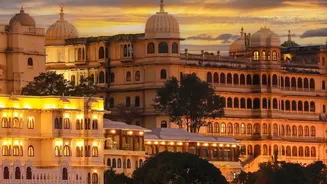
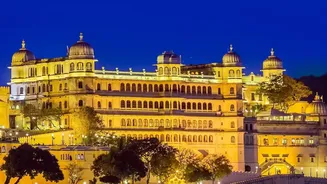
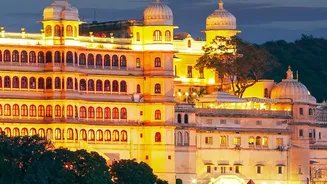
The second hotel, The Oberoi Udaivilas in Udaipur, is an architectural marvel conceived as a traditional Mewari palace. Spread across 30 acres on the banks of Lake Pichola, its grand domes, sprawling courtyards, and tranquil pools create a sense of romance and grandeur. The Oberoi brand is globally renowned for its unparalleled service, and Udaivilas is a shining example. The hotel’s commitment to providing warm, personalized, and intuitive service has consistently earned it top ratings from travel publications and readers. Its presence on the list highlights the importance of service excellence in creating a world-class destination.
More Than Hotels: A Celebration of Heritage
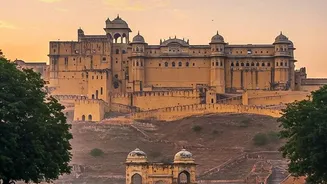
The success of these two properties speaks to a broader trend: the rise of heritage hospitality in India. Unlike modern glass towers, these hotels are repositories of stories, traditions, and artistic mastery. They represent a movement to preserve India's architectural treasures by adapting them for contemporary travellers. This model not only safeguards cultural legacy but also boosts local economies by creating jobs and attracting tourism to historic regions. For travellers, it offers a deeper, more meaningful connection to the places they visit, providing an experience that standard luxury accommodations often cannot match. Rajasthan, in particular, has mastered this blend of five-star comfort and cultural depth.
What This Means for Brand India
This international recognition does more than just fill hotel rooms; it elevates Brand India on the global tourism map. Jaipur and Udaipur are cemented as must-visit destinations for luxury travellers seeking authentic cultural encounters. Such accolades attract high-value tourism, which in turn supports a wider ecosystem of local artisans, guides, and cultural performers. It reinforces the idea that India's greatest luxury is its heritage. By showcasing the ability to blend royal history with world-class service, these hotels act as powerful ambassadors, inviting the world to experience a side of India that is both timeless and exceptionally welcoming.