

The Arrival of a Curious Crop
Cauliflower wasn't always a staple in Indian kitchens. The vegetable was first introduced to the subcontinent from England in 1822 by a British botanist. Initially a novelty, it slowly found its way into local cuisines. Early Indian cookbooks from the late
19th century featured simple preparations, like florets fried in ghee. However, the vegetable's destiny was set to change dramatically with the influence of a cooking style from another neighbour: China.
A Perfect Match: The Wok and the Gobi
The stir-fry, a technique with roots in ancient China, is defined by cooking small pieces of food quickly over high heat in a wok. This method was perfect for cauliflower, as it allowed the florets to become tender-crisp while absorbing the flavours of spices and sauces. The technique gained popularity in India through the growing Chinese immigrant community, particularly in Kolkata, which became a hub for a new fusion cuisine. This blend of Chinese cooking methods with Indian spices gave birth to what is now famously known as Indo-Chinese or 'Chindian' food.
The Birth of an Icon: Gobi Manchurian
No dish tells the story of this fusion better than Gobi Manchurian. While the name suggests origins in Manchuria, the dish is a purely Indian invention from the 1970s. It is widely credited to Nelson Wang, a third-generation Chinese immigrant chef in Mumbai. To cater to his vegetarian clientele, Wang adapted his popular Chicken Manchurian, swapping meat for cauliflower. The process is a two-step marvel: cauliflower florets are first batter-fried until crispy and then tossed in a glossy, tangy, and spicy sauce made with soy sauce, vinegar, ginger, and garlic. The dish was an instant sensation, spreading from restaurant menus to street food stalls across the country.
Beyond Manchurian: Indian Stir-Fry Variations
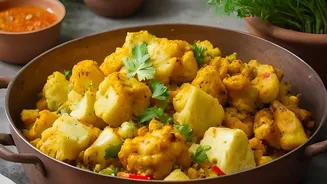
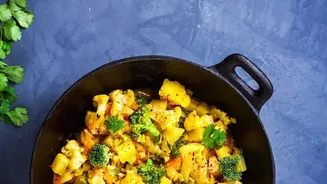
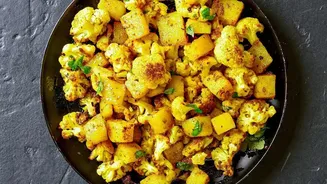
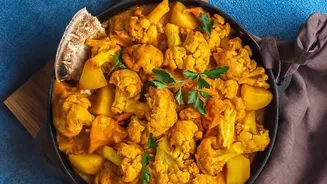
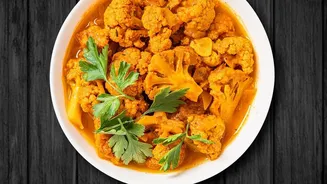
While Gobi Manchurian is the most famous example, the stir-fry technique has been adapted into countless regional Indian cauliflower dishes. Many Indian home-style stir-fries, often called 'sabzi', use this quick-cooking method. A common approach involves heating oil, popping cumin seeds, and then stir-frying cauliflower with onions, turmeric, chilli powder, and garam masala for a simple yet flavourful side dish. These recipes showcase how seamlessly the high-heat, quick-toss method of stir-frying blends with the traditional Indian spice palette.
The Global Stage and the Health Craze
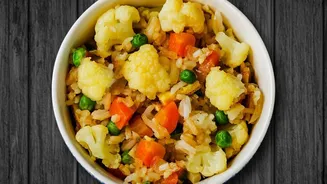
Globally, cauliflower’s popularity has surged, thanks in large part to modern wellness trends. As a low-carb, low-calorie, and nutrient-dense vegetable, it has become a favourite for those following keto, paleo, and plant-based diets. The stir-fry remains a go-to preparation. Variations like cauliflower 'fried rice'—where grated cauliflower replaces rice—and Kung Pao cauliflower have become staples. This global embrace mirrors the Indian experience: the stir-fry is the perfect method to transform cauliflower into a satisfying main course. It quickly cooks the florets while allowing them to soak up sauces, whether it's a Korean-inspired sesame and soy glaze or a classic Chinese-style savoury sauce.