



The Fibre Powerhouse in the Peel
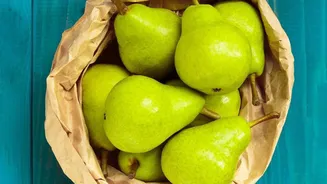
Pears are one of the highest-fibre fruits you can eat, and a significant portion of that fibre is located in the skin. In fact, the peel contains roughly 30-40% of the total dietary fibre. Peeling a medium-sized pear can mean you lose out on a substantial
amount of both soluble and insoluble fibre. A single medium pear with its skin on provides about 6 grams of fibre, which is a significant step towards the daily recommended intake of 25-30 grams. Soluble fibre, like pectin which is abundant in pears, dissolves in water to form a gel-like substance that aids in lowering cholesterol and regulating blood sugar. Insoluble fibre adds bulk, which is essential for digestive regularity and preventing constipation. By simply eating the skin, you get a powerful combination of both.
More Than Just Fibre
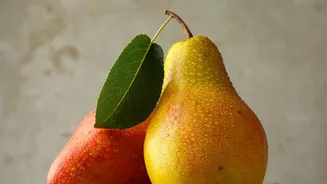
The benefits of the pear peel extend far beyond fibre. The skin is a concentrated source of powerful antioxidants and phytonutrients. Research shows that a pear's peel can contain up to six times more polyphenols—protective plant compounds—than its flesh. One of the most notable antioxidants found in the peel is quercetin, which is believed to benefit heart health by reducing inflammation and other risk factors like high blood pressure. The skins of different coloured pears offer unique compounds, too. For instance, the skin of red pears contains anthocyanins, which may help strengthen blood vessels, while green-skinned pears have lutein and zeaxanthin, compounds important for maintaining sharp vision.
What About Waxes and Pesticides?
A common concern that leads many to peel their fruit is the potential for pesticide residue or wax coatings. While this is a valid consideration, it's manageable. Conventionally grown pears may have low levels of pesticide residue, but this can be significantly reduced with proper washing. Many producers also apply a food-grade wax to help preserve freshness and moisture, which is considered safe for consumption. If you remain concerned, choosing organic pears is a great way to avoid synthetic pesticides and waxes altogether. However, even organic fruit should be washed thoroughly before eating to remove any dirt or bacteria it may have picked up during its journey from the farm to your kitchen.
The Right Way to Wash Your Pears
Washing your pears is a simple but crucial step to take before enjoying them, skin and all. For most conventionally grown pears, a thorough rinse under cool, running water is effective. Gently rub the surface of the fruit with your hands or use a soft vegetable brush to scrub the skin. This physical action helps dislodge any surface residues or dirt. For an extra measure of cleaning, you can use a solution of diluted vinegar. A short soak in a mixture of one part white vinegar to three parts water, followed by a good rinse, can help break down wax and further clean the fruit. No matter the method, make sure to dry the pear with a clean cloth before eating or cutting it.
Easy Ways to Enjoy Whole Pears
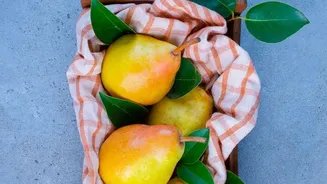
Incorporating unpeeled pears into your diet is easy and delicious. The simplest way is to eat them whole as a quick and fibre-rich snack. Their satisfying crunch and sweetness make them a perfect afternoon pick-me-up. You can also slice an unpeeled pear and add it to your morning porridge or yoghurt for a boost of nutrients. Their texture and flavour work wonderfully in salads, especially when paired with ingredients like nuts, cheese, and a light vinaigrette. The next time you're preparing a cheeseboard, include thin slices of unpeeled pear; they are a classic and healthy accompaniment. By keeping the peel on, you not only save time on preparation but also ensure you're getting the full spectrum of health benefits this fantastic fruit has to offer.