



An Unprecedented Decline
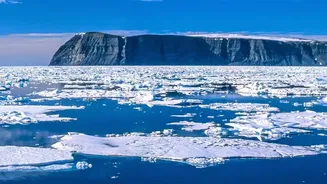
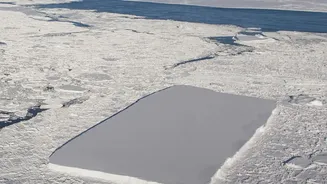
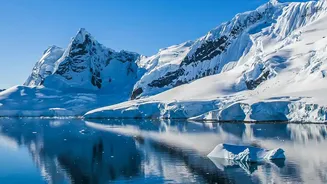
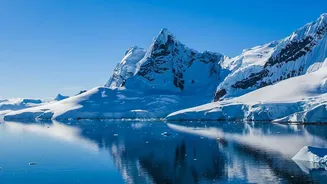
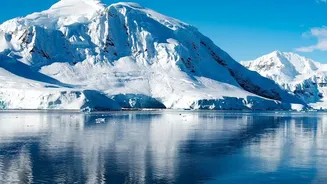
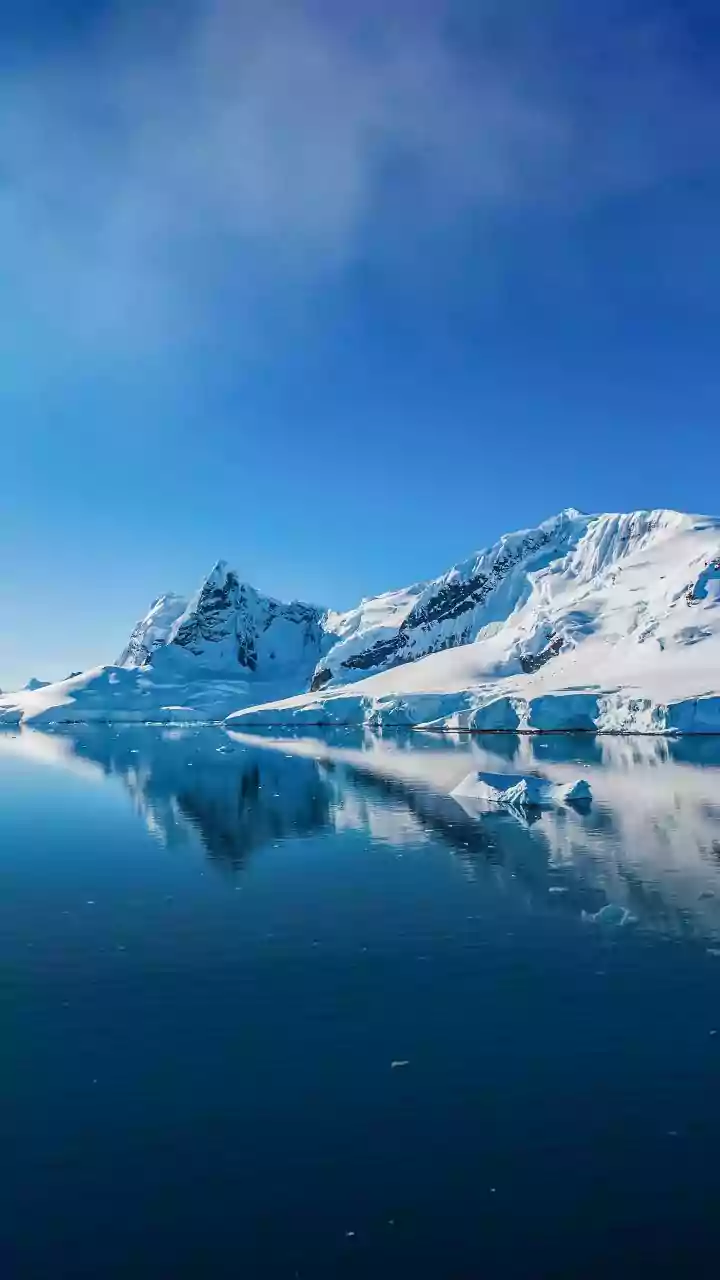
Satellite data has painted a concerning picture at the Earth's southern pole. In September 2026, when Antarctic sea ice should reach its maximum extent after the long winter, it peaked at its third-lowest level on record. This event was not an anomaly
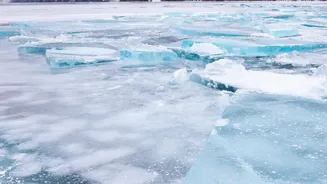
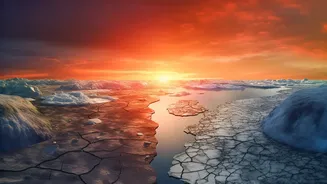
but part of a disturbing pattern. Scientists have now confirmed that the four lowest winter sea ice maximums since records began in 1979 have all occurred in the last four years: 2023, 2024, 2025, and 2026. After years of relative stability and even some growth until around 2015, the system appears to have flipped. The continent’s sea ice is now consistently failing to cover the same expanse of ocean it once did, raising alarms that this is not a temporary fluctuation but a fundamental change.
What is Driving the Sudden Melt?
The rapid decline isn't due to a single cause but a 'triple whammy' of interacting factors. For years, heat has been building up in the deeper layers of the Southern Ocean. Historically, a layer of colder, less salty water on the surface acted like a lid, trapping this warmth below. However, climate change has strengthened the winds that circle Antarctica. These stronger winds are now pushing surface water and ice away from the continent, allowing the warmer, saltier deep water to rise to the surface in a process called upwelling. This unleashed heat is now melting sea ice from below, creating a vicious cycle where warmer surface conditions make it difficult for new ice to form and recover. This process, combined with warmer air temperatures and increased cloud cover trapping heat, has created a new, warmer state for the ocean surrounding Antarctica.
The Antarctic Paradox Explained
For a long time, the behavior of Antarctic sea ice was a puzzle for climate scientists. While the Arctic was experiencing rapid and undeniable melting, Antarctic sea ice was variable and even grew slightly. This difference is due to geography. The Arctic is an ocean surrounded by land, while Antarctica is a continent surrounded by ocean. This allows Antarctic sea ice to expand outwards into open water. For years, factors like increased freshwater from melting land glaciers created a stratified ocean surface that actually helped insulate and grow sea ice. But it seems a tipping point has been reached. The accumulating ocean heat and strengthening winds, both linked to global warming, have finally overpowered these stabilizing factors, bringing Antarctica’s trend more in line with the rapid losses seen in the Arctic.
Global Consequences, Indian Shores
The loss of Antarctic sea ice has far-reaching consequences. Sea ice acts like a planetary air conditioner, reflecting sunlight back into space. Less ice means the darker ocean absorbs more heat, accelerating global warming. While melting floating sea ice doesn't directly raise sea levels, its disappearance has a critical indirect effect. Sea ice buttresses the massive land-based glaciers and ice shelves. As sea ice vanishes, these glaciers can flow faster into the ocean, and this land ice melt does cause sea levels to rise. This is a direct threat to India, with its 7,500-kilometre coastline and major low-lying cities like Mumbai, Chennai, and Kolkata. Even modest increases in global sea levels will lead to more frequent and severe coastal flooding, saltwater intrusion into freshwater sources, and displacement of millions of people. Studies show that due to gravitational effects, ice melt from Antarctica can cause higher-than-average sea-level rise in the Indian Ocean basin.
A System Flipped
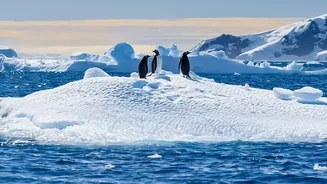
Scientists are now concerned that Antarctica has entered a new, less stable regime from which it may not easily return. The feedback loops now in place—where less ice leads to warmer oceans, which in turn melts more ice—are difficult to reverse. This isn't just about rising water. The changes affect the entire Southern Ocean ecosystem, from the phytoplankton at the base of the food web to penguins and whales that rely on predictable sea ice for breeding and feeding. The catastrophic breeding failure of emperor penguins in 2022 due to historic ice loss was a stark warning of the cascading ecological impacts. The consensus is growing that this is no longer a distant, future problem but a present-day crisis. The speed of the change has taken many researchers by surprise, highlighting the urgency of understanding these complex systems.