




Sunlight: The Top Priority
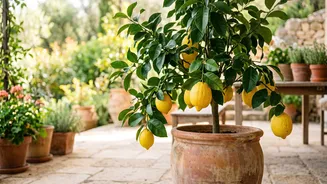
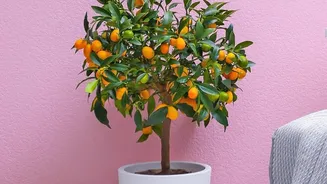
Lemon trees are sun-lovers, requiring at least six to eight hours of direct sunlight each day to truly flourish and produce fruit. An ideal spot is near a south-facing window where the light is bright and consistent. While they can adapt to slightly lower
light levels, they are unlikely to flower or fruit without enough direct sun. If your indoor space lacks sufficient natural light, you can supplement with a grow light, aiming for about 10-12 hours of exposure daily to mimic their preferred long-day conditions. For trees that spend summer outdoors, be sure to acclimate them gradually to prevent their leaves from scorching in the intense midday sun.
Watering Wisely
Proper watering is crucial, as both too much and too little can stress the plant. The golden rule is to water deeply but infrequently. Instead of sticking to a rigid schedule, check the soil. When the top two inches feel dry to the touch, it’s time to water. Pour water slowly and evenly until it begins to drain from the bottom of the pot, then discard the excess water from the saucer. This ensures the roots get a thorough drink without becoming waterlogged, which can lead to root rot. A young tree may need watering every few days, while an established indoor tree might need it once or twice a week, depending on temperature and humidity.
The Right Soil and Pot
Lemon trees demand excellent drainage. Never use dense garden soil, which compacts easily and suffocates the roots. The best choice is a well-draining, lightweight potting mix specifically formulated for citrus trees. You can also create your own mix by blending ingredients like pine bark fines, perlite, and potting soil. As for the container, choose a large pot at least 18 inches in diameter with multiple drainage holes. Lighter-colored pots are preferable to dark ones, as they help keep the roots from overheating, and porous materials like terra cotta allow for better airflow than plastic.
Feeding Your Tree
Container-grown citrus trees are heavy feeders because nutrients wash out with each watering. To keep your lemon tree healthy and productive, you'll need to fertilize it regularly during the growing season (spring through autumn). Look for a balanced fertilizer specifically designed for citrus, which will be rich in nitrogen and contain essential micronutrients like iron, zinc, and manganese. A slow-release granular fertilizer applied every 4-6 weeks is an excellent choice. Always water the plant thoroughly after applying fertilizer to avoid burning the roots. Stop fertilizing during the winter when the tree's growth naturally slows.
Pruning for Health
Pruning helps maintain the tree's shape, improves air circulation, and encourages healthy growth. The best time to prune is after the main harvest but before the new spring growth begins. Your primary goal should be to remove any dead, damaged, or crossing branches. This opens up the canopy, allowing more light and air to reach the inner parts of the tree. If you spot any suckers—vigorous shoots growing from the base of the trunk—prune them off immediately, as they divert energy from the main plant. You can also trim back leggy branches to encourage a bushier, more compact shape.
Watching for Pests
Even indoor plants can attract pests. Common culprits for lemon trees include aphids, scale insects, spider mites, and mealybugs. Regularly inspect your tree, paying close attention to the undersides of leaves and the joints where leaves meet stems. Many common pests like aphids and spider mites can be dislodged with a strong spray of water. For more persistent infestations, insecticidal soap or horticultural oil can be effective. These treatments work by smothering the insects and are a safer alternative to harsh chemicals. Addressing any pest issues promptly will prevent them from becoming a major problem.