


The Earthy Power of Beetroot
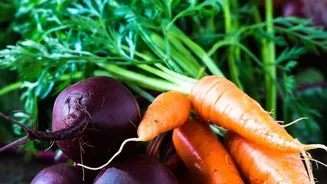
Beetroot, with its deep, vibrant crimson hue, is more than just a colourful addition to your plate. It's a nutritional powerhouse celebrated for its sweet, earthy flavour. One of its most significant contributions to our health is its high concentration
of folate, also known as vitamin B9. A single 100-gram serving of beetroot can provide a substantial portion of your daily folate needs, with some estimates suggesting it offers up to 27% of the recommended daily intake. This makes it one of the richest vegetable sources of this crucial nutrient. Beyond folate, beetroots are also a good source of dietary fibre, manganese, potassium, and iron. They contain unique antioxidants called betalains, which are responsible for their deep red colour and possess anti-inflammatory properties. These combined nutrients make beetroot a valuable food for overall health and wellness.
Why Folate is So Important
Folate plays a fundamental role in our bodies, primarily supporting cell growth and function. It is essential for making DNA and RNA, the body's genetic blueprints. This function is especially critical during periods of rapid growth, such as pregnancy and infancy. Adequate folate intake for pregnant women is vital as it helps prevent major birth defects of the baby's brain and spine, known as neural tube defects. But its benefits aren't limited to pregnancy; folate contributes to the production of red blood cells, helping to prevent a type of anaemia. It also plays a key role in controlling levels of an amino acid called homocysteine in the blood. Elevated homocysteine levels can damage blood vessels, so by helping to regulate them, folate supports cardiovascular health and may lower the risk of heart disease and stroke.
The Peppery Punch of Radish
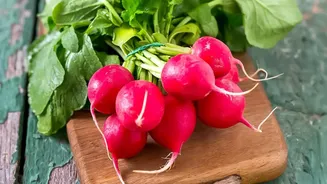
Often found adding a crisp, peppery bite to salads and sandwiches, the humble radish is a surprisingly potent source of vitamin C. While beetroots are richer in many other vitamins and minerals, radish holds a clear advantage when it comes to this essential antioxidant. A half-cup serving of sliced radishes can provide around 14-19% of your daily vitamin C requirement, making it a low-calorie way to boost your intake. Radishes come in many varieties, from the common small red globes to the larger, milder daikon. All share a similar nutritional profile, valued not just for their vitamin C but also for being low in calories and containing a decent amount of fibre and potassium. Their characteristic peppery flavour comes from compounds that may also offer health benefits, including aiding digestion.
The Vital Role of Vitamin C
Vitamin C is a powerhouse nutrient with far-reaching effects on the body. As a potent antioxidant, its primary job is to protect cells from damage caused by free radicals—unstable molecules produced by environmental toxins and normal metabolic processes. This protective role is crucial for maintaining overall health and preventing chronic diseases. Furthermore, vitamin C is indispensable for a robust immune system, supporting various cellular functions that help ward off pathogens. It is also vital for the synthesis of collagen, a protein that provides structure to our skin, blood vessels, bones, and other connective tissues. This function not only helps keep skin looking healthy and youthful but also aids in wound healing. By eating vitamin C-rich foods like radishes, you support your body's ability to repair tissues and maintain a strong defence system.
Bringing Both to Your Indian Kitchen
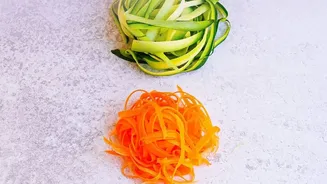
Both beetroot and radish are versatile ingredients that fit seamlessly into Indian cuisine. For a simple and refreshing side dish, a Beetroot Raita is a wonderful choice; just mix grated boiled beetroot with yogurt, roasted cumin powder, and a pinch of black salt. For radishes, their crunch is perfect in a classic 'kachumber' salad. You can also combine them in a grated salad known as 'Beetroot Gajar Mooli Salad', which brings together the sweetness of carrot, the earthiness of beetroot, and the sharpness of radish, all tossed with lemon juice, green chillies, and salt. For a cooked option, a 'poriyal' or 'sabzi' made with finely chopped beetroot and radish, tempered with mustard seeds and curry leaves and finished with grated coconut, creates a delicious and nutritious side for rotis or rice.