







The Smartest Deal in the Room
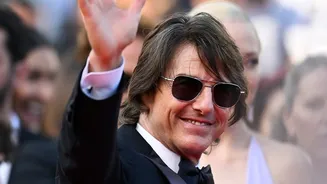
In Hollywood, most stars earn a hefty upfront salary. Tom Cruise, however, plays a different game. While he can command upwards of $20 million per film, his real genius lies in negotiating back-end deals. This means he often takes a smaller initial salary in exchange
for a percentage of the film's total earnings. It's a massive gamble that has paid off spectacularly, turning successful films into personal nine-figure paydays. This strategy is the cornerstone of his financial empire, proving he's not just the star on screen but also one of the savviest business minds behind it.
The 'Mission: Impossible' Money Machine
The story of Cruise’s wealth is inseparable from the Mission: Impossible franchise. When he signed on for the first film in 1996, he didn't just agree to star; he became a producer. His production company, Cruise/Wagner Productions, gave him unprecedented control and a much larger slice of the profits. For that first film, he reportedly earned a staggering $70 million, thanks to a deal that gave him a cut of the gross revenue. This move set the precedent for the rest of his career. For subsequent films in the series, he continued to leverage his producer status to secure massive payouts, earning a reported $75 million for Mission: Impossible III and even more for others.
Mastering the 'First-Dollar Gross'
The secret weapon in Cruise's financial arsenal is a rare and powerful deal structure known as "first-dollar gross." In simple terms, it means he gets his percentage of the film's box office revenue from the very first ticket sold, before the studio even deducts its own costs like marketing. Very few stars in Hollywood have the leverage to secure such a deal. For films like Mission: Impossible II and War of the Worlds, this arrangement reportedly earned him $100 million for each movie. It’s a testament to his bankability; the studio is so confident a Cruise film will be a hit that they agree to pay him off the top.
The 'Top Gun: Maverick' Payday
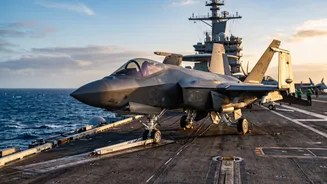
Decades after the original, Top Gun: Maverick didn't just revive a classic character; it cemented Cruise's status as a financial titan. The film grossed nearly $1.5 billion worldwide, becoming his highest-earning movie ever. While his upfront salary was a relatively modest $13 million, his back-end deal was anything but. By negotiating for 10% to 20% of the first-dollar gross, Cruise’s total earnings from the film soared to an estimated $100 million or more. It was a masterstroke that demonstrated the incredible power of the business model he had perfected over decades, betting on himself and winning big.
An Asset Beyond Acting
Ultimately, Tom Cruise’s fortune comes from treating his career like a business he owns, not just a job he performs. By taking on the dual roles of actor and producer, he maintains creative control and ensures his financial interests are deeply aligned with the film's success. His famous insistence on performing his own death-defying stunts is not just for show; it's a core part of the brand he has built—a brand that audiences trust and that studios are willing to pay a premium for. His total career earnings have surpassed $1 billion, a figure built not just on talent, but on unparalleled business acumen.