





The Myth of a Magic Bullet
Every season brings a new must-have ingredient or a revolutionary styling tool promising to transform your hair. From chemical treatments like perms and relaxers to the latest detox craze, the options are endless. However, chasing these trends can often
lead to a cabinet full of half-used products and hair that’s more damaged than before. The core issue is that many of these fads either offer a temporary fix or, worse, cause harm by stripping natural oils and weakening the hair's structure. Excessive heat, tight hairstyles, and harsh chemicals are consistently cited by experts as major causes of damage that no trendy product can truly reverse. The real path to healthier, more manageable hair isn't about finding a single solution, but about building a consistent routine based on fundamental principles.
Why Moisture Is the Foundation of Great Hair
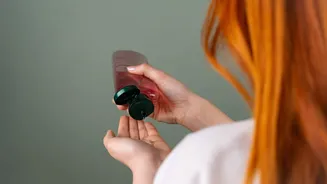
Think of moisture as the very lifeblood of your hair. When hair is well-hydrated, its outer layer, the cuticle, lies flat and smooth. This not only gives it a glossy, healthy shine but also makes it more elastic and resilient. Well-moisturised hair is less prone to frizz and breakage because it can stretch and bend without snapping. Dry hair, on the other hand, is brittle and fragile. The natural oils from your scalp are meant to provide this moisture, but factors like overwashing, heat styling, and environmental exposure can strip them away. This is why adding moisture back through conditioners and leave-in treatments is crucial. It’s not just about making hair feel soft; it’s about providing the flexibility and strength needed for it to be styled effectively and hold its shape.
The Power of a Gentle Touch
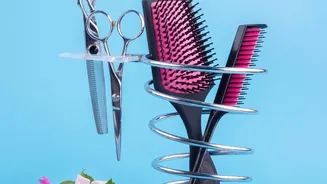
How you handle your hair matters just as much as the products you use. Aggressive habits are a primary cause of preventable breakage. This starts in the shower: shampoo should be massaged gently into the scalp, not rubbed harshly through the lengths of your hair. After washing, rubbing your hair with a rough towel can raise the cuticle and cause frizz and damage. Instead, gently squeeze or pat it dry. Hair is most vulnerable when wet, so detangling should be done carefully with a wide-tooth comb, starting from the ends and working your way up to the roots to avoid pulling. Even seemingly harmless habits like wearing tight ponytails daily or brushing your hair 100 strokes can lead to significant breakage and stress on the follicles over time. Adopting a gentle approach at every step preserves the integrity of the hair shaft.
Styling for Health, Not Just for Looks
It's important to understand the difference between a styling claim and a hair growth claim. Hair growth is a biological process that happens at the follicle, influenced by genetics and health. Most styling products and techniques work on the hair shaft—the part of the hair that is already grown and no longer living. Their job is to improve the appearance, feel, and manageability of this existing hair. Therefore, the goal of a good styling routine is length retention and health, not faster growth. By focusing on moisture and gentle handling, you prevent the breakage that makes hair seem like it's not growing. When you reduce split ends and snapping, you get to keep the length that your follicles are producing, resulting in hair that looks longer and fuller over time. This is the essence of a styling-led approach: caring for the hair you have to make it the best it can be.