






The Appeal of a Cooling Compress
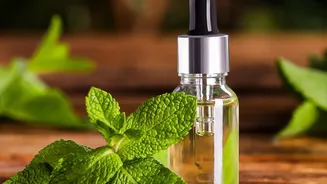
Peppermint's power comes from its main active compound: menthol. When applied to the skin, menthol triggers cold-sensitive receptors, creating a cooling sensation that can help distract from pain signals. This is why people often reach for a peppermint
compress to soothe tension headaches, cool a feverish brow, or ease sore muscles. Some studies suggest that topical peppermint oil may be effective for tension headaches and can reduce skin irritation and itchiness. Its anti-inflammatory and analgesic (pain-relieving) properties make it a popular choice in natural wellness circles.
The Risks of Raw Power
Despite its benefits, peppermint essential oil is extremely potent and can be harmful if used incorrectly. Applying undiluted peppermint oil directly to the skin is a common mistake that can lead to significant irritation, redness, burning sensations, and allergic contact dermatitis. In some cases, it can cause rashes or even chemical burns. Think of it this way: essential oils are highly concentrated plant extracts. Using them straight is like drinking a cordial without adding water—the concentration is simply too high for your body to handle safely. The key to avoiding these adverse reactions is always to dilute the oil before it touches your skin.
A Serious Warning for Children and Infants
The risks associated with peppermint oil are significantly more severe for young children and infants. It should never be applied to the face or near the nose of a baby or small child. The potent menthol can cause serious, life-threatening breathing problems, including laryngeal and bronchial spasms or even respiratory arrest. Some health authorities recommend avoiding topical use of peppermint oil altogether on children under 30 months or even up to the age of eight. The 'natural' label does not automatically mean 'safe,' especially for the delicate systems of little ones.
How to Make and Use a Peppermint Compress Safely
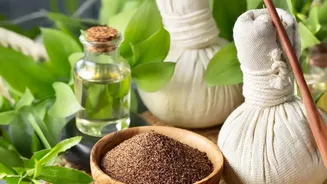
To harness the benefits without the risks, proper preparation is essential. Follow these steps for a safer application: 1. Dilute First: Never add essential oil directly to your compress water. First, dilute 2-3 drops of peppermint essential oil into one teaspoon of a carrier oil, such as coconut, jojoba, or almond oil. This helps disperse the potent oil safely. 2. Prepare the Water: Add your diluted oil mixture to a bowl of cool or lukewarm water and stir. 3. Perform a Patch Test: Before applying the compress widely, do a patch test. Apply a small amount of the diluted oil to a patch of skin on your inner elbow and wait 24 hours to ensure you don't have an allergic reaction or irritation. 4. Apply with Care: Soak a clean cloth in the peppermint-infused water, wring it out, and apply it to your forehead, neck, or sore muscles. Avoid contact with your eyes, mouth, and any broken or sensitive skin.
Who Should Avoid Peppermint Compresses?
Beyond infants and young children, several other groups should exercise caution. Pregnant women are often advised to avoid topical peppermint oil, as there isn't enough research to confirm its safety for the fetus. It's also best to avoid it while breastfeeding, as the menthol could be passed to the baby. Individuals with certain health conditions, such as GERD (gastroesophageal reflux disease), gallbladder issues, or severe liver disease, may be advised to avoid peppermint oil. If you have sensitive skin, eczema, or are prone to allergic reactions, it's wise to steer clear or consult a healthcare provider before trying it.