




The Invisible Ripening Signal
The culprit behind this rapid ripening is an odorless, colorless gas called ethylene. Ethylene is a natural plant hormone that plays a crucial role in the life cycle of many plants, regulating everything from sprouting to, most importantly for our fruit
bowl, ripening. Think of it as a master switch that, once flipped, starts a cascade of biochemical changes. It breaks down cell walls to make fruit softer, converts starches into sugars to make it sweeter, and changes the skin's color from green to yellow, red, or purple. This process is most pronounced in a category of fruits known as “climacteric,” which continue to ripen even after they’ve been picked.
The Main Broadcasters: High-Ethylene Producers
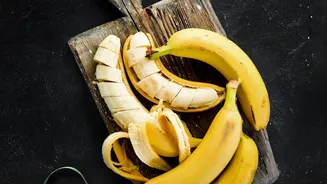
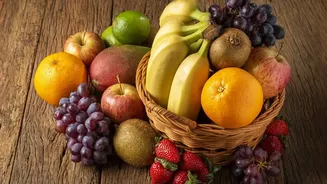
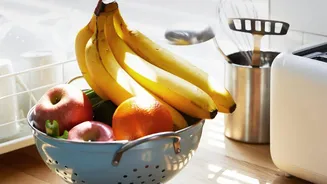
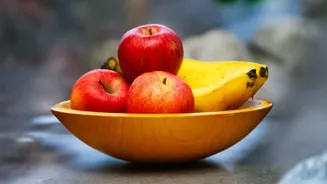
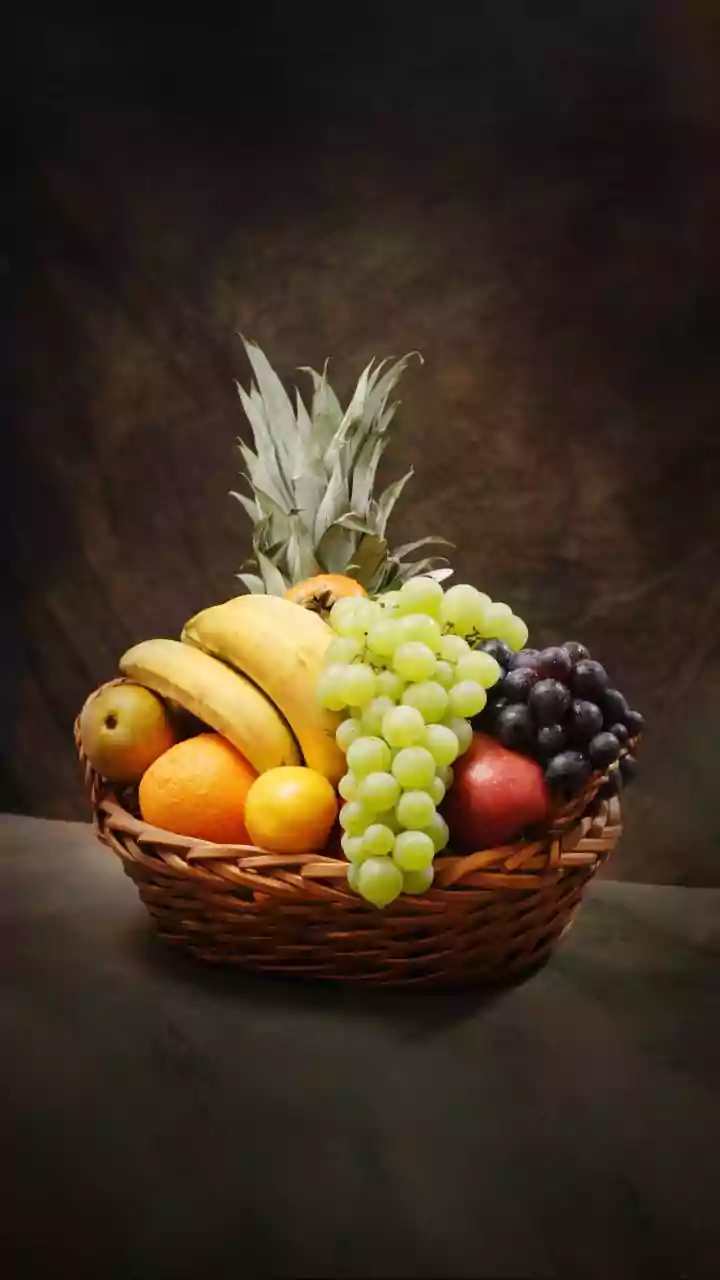
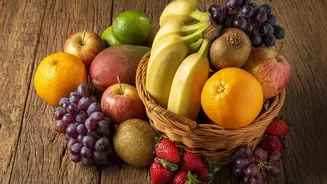
Some fruits are prolific producers of ethylene gas, acting like tiny radio towers broadcasting a “ripen now!” signal to their neighbors. Apples and bananas are two of the most well-known ethylene producers. But they are far from alone. This group also includes other common fruits like pears, peaches, plums, apricots, avocados, and cantaloupes. When these fruits reach maturity, their ethylene production ramps up significantly, creating a feedback loop where the gas encourages the fruit to produce even more gas, accelerating the ripening process exponentially. This is why one ripe apple can quickly ripen a whole bag.
The Sensitive Listeners
On the other side are the ethylene-sensitive fruits and vegetables. These items don't produce much ethylene themselves but are highly susceptible to its effects. When exposed to the gas from a nearby apple or banana, their own ripening process kicks into high gear, often leading to premature spoilage. Sensitive produce includes broccoli, carrots, cucumbers, leafy greens like lettuce and spinach, and asparagus. Carrots can become bitter, asparagus can turn woody, and leafy greens will yellow and wilt much faster when stored near high-ethylene fruits. Even some fruits, like grapes and watermelon, are sensitive and should be kept separate.
Harnessing Ethylene for Good
This chemical communication isn’t always a bad thing. You can use your knowledge of ethylene to your advantage. Have a rock-hard avocado you need for guacamole tonight? Or a green banana you want to be ready for your morning smoothie? Place it in a paper bag with a ripe apple or banana. The bag will trap the ethylene gas, concentrating it and significantly speeding up the ripening process. This trick works well for ripening peaches, plums, pears, and mangoes that might be a bit too firm when you bring them home from the market. Just be sure to check on them daily, as the process can happen quickly.
The Art of Strategic Separation
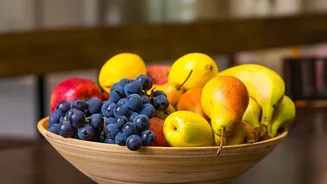
To extend the life of your produce and reduce food waste, the key is strategic storage. The simplest rule is to keep ethylene producers separate from ethylene-sensitive items. This may mean keeping apples in a crisper drawer in the refrigerator and bananas on a hanger on the counter, away from the main fruit bowl. Most ethylene-producing fruits should be left at room temperature to ripen and then moved to the fridge to slow the process down. Sensitive items, particularly vegetables like broccoli, leafy greens, and carrots, should always be refrigerated and kept away from the big fruit broadcasters to maintain their freshness, color, and texture.