





The Global Push for Food Security Rules
The core of the current situation is a series of trade policies enacted over the last couple of years, often framed as efforts to ensure global food security. Following market disruptions and export bans in previous years, several international bodies
and trading blocs have pushed for frameworks to govern the trade of essential commodities like rice. These aren't one single 'rule,' but a patchwork of bilateral agreements and regional pacts, like the EU-Mercosur deal and various U.S. Agreements on Reciprocal Trade (ARTs). The stated goal is often to create more predictable, science-based trade and prevent the kind of panic-driven export bans that caused price spikes in the past. However, these agreements can also prioritize the interests of major exporting nations, creating complex new dependencies for countries that rely on imports.
An Unforgiving Market Reaction
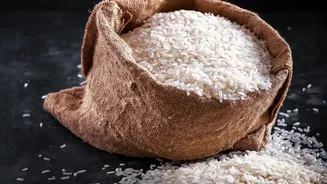
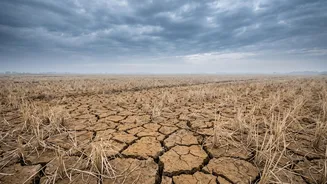
Despite intentions, the global rice market in 2026 is seeing significant price pressure. A combination of factors, including weather uncertainty linked to El Niño, conflict in the Middle East disrupting shipping and fertilizer costs, and poor rainfall in parts of Asia, has created a tense supply situation. International rice futures are trading near their highest levels since 2024. Countries are reportedly stockpiling out of food security concerns, which in turn drives prices even higher. While some early 2026 forecasts predicted price relief due to large Indian supplies, the reality has been complicated by production downgrades and strong global demand that continues to outstrip supply. Thai rice prices, a key Asian benchmark, have seen sharp increases this year, reflecting a market that is fearful of shortages.
From Price Spikes to Public Anger
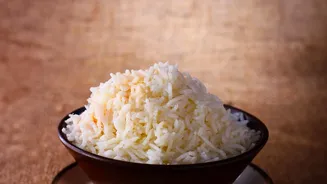
The link between high food prices and social conflict is a well-documented phenomenon. When the cost of a staple food like rice rises sharply, it can transform economic hardship into a household emergency, fueling public anger and political instability. While no major wars have erupted solely over rice, reports of social unrest and protests related to the cost of living have become more frequent in import-dependent nations across Africa and Asia. Governments in these countries face a difficult choice: absorb the higher cost through subsidies, which can strain national budgets, or pass the cost to consumers, risking public backlash. This dynamic is exactly what analysts warn about when they say that food inflation threatens political stability.
The Rule's Obvious Limits
The limits of these new trade frameworks are now glaringly clear. Firstly, they often fail to account for the unpredictable nature of agricultural production, where a single bad monsoon or a distant conflict can completely alter the supply landscape. Secondly, these rules can be undermined by national interests. India, the world's largest rice exporter, holds immense power over the market. Its domestic policies to ensure its own food security—whether through export restrictions or building up national stocks—can have an outsized impact on global prices, regardless of international agreements. Finally, the very act of preparing for a food shortage by stockpiling, a rational step for any single country, can collectively cause the crisis everyone fears by creating artificial scarcity.
India's Pivotal Role in the Crisis
India stands at the center of this global dynamic. As the source of roughly 40% of the world's rice exports, its actions are the single most important factor in the market. Forecasts for India's 2025-26 crop were revised downward due to poor rainfall, which impacted both domestic and export prices. At the same time, India's exporters are actively seeking to diversify their markets beyond traditional buyers, with new interest from countries like Turkey and Jordan. This puts the Indian government in a powerful but difficult position: balancing the need to keep domestic prices stable for its own population against the opportunity to meet rising global demand. Every decision made in New Delhi about its massive rice stocks sends immediate ripples across the globe, influencing whether a family in Manila or Dakar can afford their next meal.