






Understanding 'Strategic Autonomy'
At the heart of India's current economic and foreign policy is the principle of 'strategic autonomy'. This isn't just a political buzzword; it's a guiding philosophy. Unlike the Cold War-era concept of non-alignment, which often implied equidistance from
power blocs, strategic autonomy is about dynamic and selective engagement. It means India makes decisions on trade, technology, and defence based purely on its national interests, without being tied to the agenda of any single country or alliance. In practice, this allows India to partner with the US and Europe on technology and trade while also sourcing essential commodities like energy from other nations to ensure stability. This flexibility is designed to protect India's growth from global volatility and geopolitical conflicts. It's a pragmatic approach to secure resources, unlock new export markets, and build national strength in an uncertain world.
A New Chapter of Free Trade Agreements
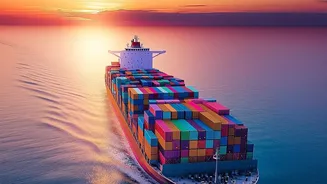
In recent years, India has moved from a cautious stance on global trade to becoming one of the world's most active negotiators of Free Trade Agreements (FTAs). After stepping back from the Regional Comprehensive Economic Partnership (RCEP) to protect domestic industries, India has pivoted to signing bilateral deals with key partners. The country has successfully concluded agreements with Mauritius, the UAE, Australia, and the European Free Trade Association (EFTA), and is in advanced talks with the UK and the EU. These are not just simple tariff-reduction deals. The agreement with EFTA, for example, includes a commitment for $100 billion in investment over 15 years. Many of these new-generation FTAs also focus heavily on services, digital trade, and easier movement for skilled professionals, reflecting the strengths of the modern Indian economy.
The Opportunity for Indian Businesses
For Indian businesses, this new trade strategy presents a wave of opportunities. The primary benefit of FTAs is reduced or eliminated tariffs, which makes Indian goods more competitive in foreign markets. For example, the deal with the UAE provides duty-free access for over 90% of Indian exports, significantly boosting sectors like textiles, gems, and jewellery. These agreements also encourage foreign direct investment and integrate Indian companies, including MSMEs, into global value chains. Access to cheaper imported raw materials can lower production costs, while partnerships with foreign firms can bring in advanced technology. Key sectors poised to benefit include IT and services, pharmaceuticals, automotive components, and engineering goods. With greater market access, the government aims to propel India's total exports and solidify its position as a global manufacturing hub.
The Impact on Consumers and Domestic Industry
For the average consumer, the effects are twofold. On one hand, FTAs can lead to a wider variety of imported goods on store shelves at potentially lower prices. This increased competition can drive down costs for everything from electronics to certain food products. However, this same competition poses a significant challenge to domestic industries. Sectors like agriculture, particularly dairy, and some small-scale manufacturing are vulnerable to cheaper imports from subsidised, highly mechanised foreign producers. While the government negotiates safeguards to protect these sensitive areas, there are concerns about potential job losses if local businesses cannot compete. The low utilisation rate of FTAs by Indian exporters, often due to complex paperwork or lack of awareness, is another challenge that needs to be addressed to ensure the benefits are fully realised.
A Carefully Calibrated Balancing Act
India's trade strategy is ultimately a high-stakes balancing act. It seeks to harness the growth and innovation that come from global integration while shielding vulnerable parts of its domestic economy. The dual approach combines the inward-looking 'Atmanirbhar Bharat' (Self-Reliant India) initiative, which aims to build internal capacity, with a proactive external trade diplomacy. This strategy allows India to leverage its large domestic market as a bargaining chip to secure favourable terms in trade negotiations. However, sustaining this balance requires continuous domestic reforms to improve infrastructure, reduce logistics costs, and enhance the competitiveness of local industries. The success of this grand strategy will depend on how effectively India can convert these hard-negotiated trade deals into tangible growth on the ground, benefiting both its industries and its people.