



What Exactly Is Papain?
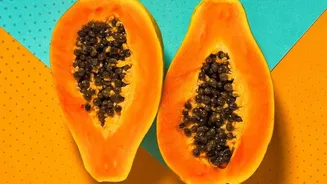
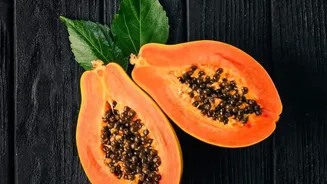
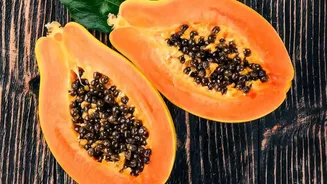
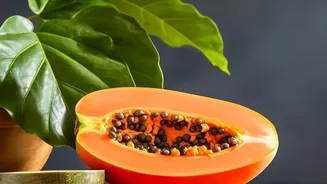
Papain is a type of proteolytic enzyme, which is a fancy way of saying it breaks down proteins into smaller pieces like peptides and amino acids. It's found naturally in the papaya fruit, particularly in the milky white fluid, or latex, of unripe, green
papayas. For centuries, it has been used in traditional medicine for its digestive properties. Think of it as a pair of molecular scissors that specifically targets the tough bonds holding protein molecules together. This unique ability is why papain is not just a digestive aid but also a key ingredient in commercial meat tenderizers.
The Science of Smoother Digestion
When you eat a protein-rich meal, like meat, eggs, or legumes, your body gets to work breaking it down. Papain can give this process a helpful boost. By cleaving tough protein fibers, it can make them easier for your gastrointestinal tract to handle and absorb. This can be particularly helpful for individuals who feel bloated or heavy after eating. Some studies suggest that regular consumption of papaya or related supplements can ease common digestive complaints like constipation and bloating. The enzyme works by targeting specific peptide bonds within protein molecules, effectively simplifying complex structures into more manageable components for your body to use.
More Than Just a Digestive Aid
The power of papain extends beyond the digestive system. Its ability to break down proteins makes it a star ingredient in the food industry, most famously as a meat tenderizer that can soften even tough cuts of beef or pork without using harsh chemicals. You'll also find it in some toothpastes, cosmetics, and even enzymatic cleaners for soft contact lenses. Furthermore, papain has been studied for its potential anti-inflammatory properties, with some research suggesting it may help reduce pain and swelling associated with issues like sore throats or recovery from dental surgery, though more human studies are needed to confirm these effects.
How to Add Papain to Your Diet
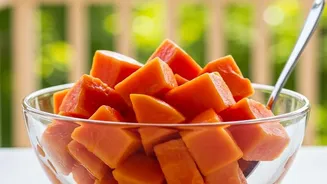
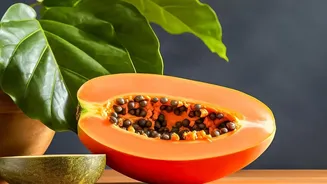
The most straightforward way to benefit from papain is by eating fresh papaya. While the highest concentration is in the less-palatable unripe fruit, ripe papaya still contains the enzyme, along with fiber, vitamins, and antioxidants that support overall gut health. Enjoying a few slices after a heavy meal can be a simple way to aid digestion. For a more concentrated dose, papain is available in various supplement forms, including capsules, chewable tablets, and powders. These supplements are often marketed to relieve bloating and a feeling of heaviness after meals. However, it's always best to consult a healthcare professional before starting any new supplement regimen.
Potential Risks and Considerations
While generally safe when consumed in food, high doses of papain in supplement form can sometimes cause stomach or throat irritation. The most significant risk is an allergic reaction. Individuals with a known allergy to latex, figs, or kiwis may also have a cross-reactive allergy to papaya and papain. It's also advised that pregnant women avoid concentrated papain supplements, as high doses of unripe papaya latex have been associated with potential harm to a developing fetus. Additionally, because papain may increase bleeding risk, people on blood-thinning medications should steer clear of papain supplements.