





First, What Is El Niño?
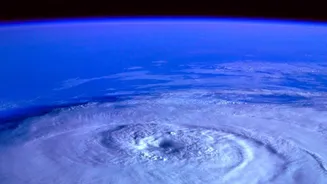
Think of El Niño as a massive, temporary shift in the climate system. It’s a natural cycle involving the warming of the ocean surface in the central and eastern tropical Pacific. This patch of warm water is so vast it alters global weather patterns by
releasing tremendous heat into the atmosphere. This can cause droughts in regions like Asia and severe rainfall in the Americas. For India, the phenomenon is closely watched as it often correlates with a weaker monsoon, the lifeblood of the country's agriculture. While El Niño is natural, its interaction with human-caused climate change is a growing concern.
Why the Alarm Bells Are Ringing Now
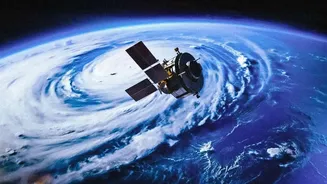
The alarm bells are ringing because of the latest long-range forecasts. Advanced climate models now simulate ocean-atmosphere interactions with greater accuracy. Recent model runs show a consistent signal for a significant El Niño event. These predictions suggest the ocean warming could be on par with the strongest events on record. While forecasting years ahead is challenging, the consensus across multiple independent models adds confidence to the warning. This isn't an outlier but a trend from the world's top forecasting tools, giving a crucial window to prepare.
The Direct Link to 2027's Warming Risk
So, how does El Niño translate to a warming risk for 2027? It’s about timing and energy. The Earth's climate has natural variability, and El Niño is a major driver of this. When a strong El Niño occurs, the vast heat released from the Pacific temporarily pushes the global average temperature upward. This natural spike happens on top of the steady, long-term warming from greenhouse gas emissions. Scientists warn this combination creates perfect conditions for a new global temperature record. The year following an El Niño's peak is often the warmest, which is why 2027 is being flagged. It could be the year humanity temporarily crosses the critical 1.5 degrees Celsius warming threshold.
What This Could Mean for India
For India, the implications of a powerful El Niño are severe. The most immediate concern is its impact on the southwest monsoon. Historically, strong El Niño events are linked to suppressed rainfall, leading to drought-like conditions. This directly threatens the kharif crop season, which depends on monsoon rains. A failed monsoon can trigger a cascade of problems, from reduced agricultural output and food inflation to water shortages in reservoirs critical for drinking water and hydropower. Furthermore, disrupted weather could also lead to more extremes, like intense downpours in some areas and severe heatwaves in others, stressing public health and infrastructure.
Can We Prepare for the Impact?
This forecast, while concerning, is a critical early warning. The lead time allows for proactive measures. For India, this means strengthening water management strategies through conservation and efficient irrigation. It also involves preparing the agricultural sector by promoting drought-resistant crops and ensuring insurance schemes are robust. Nationally, it requires bolstering disaster management capabilities to handle heatwaves and other extremes. Agencies like the India Meteorological Department (IMD) will play a key role in providing more precise, localised forecasts as the event draws closer, enabling administrations to implement timely action plans.