





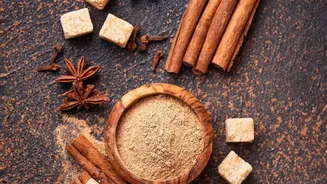
The Allure of a Super Spice
In recent years, cinnamon has gained a reputation for being more than just a flavor enhancer. It's been linked to a host of health benefits, with proponents suggesting it can help manage blood sugar levels, reduce inflammation, and lower cholesterol.
These claims have fueled a trend of people consuming cinnamon not just in their food, but in concentrated capsules and powders, treating it less like a spice and more like a daily supplement. Studies have explored cinnamon's potential to improve insulin sensitivity and lower blood sugar, making it particularly popular among those with prediabetes or looking for natural wellness aids. The idea that a common, natural ingredient could offer such powerful effects is understandably appealing.
Separating Hype from Health
While some research is promising, the scientific evidence is not as conclusive as the wellness buzz might suggest. Several studies, including meta-analyses, have shown that cinnamon can lead to a statistically significant reduction in fasting blood sugar, total cholesterol, and triglycerides. However, other large-scale reviews have found the evidence to be mixed or inconclusive, particularly regarding long-term blood sugar control (measured by HbA1c). Researchers often note that many studies are small or have design limitations, and the effective dose and duration are still unclear. So, while cinnamon may offer some modest benefits, it is not a replacement for medical treatment for conditions like diabetes.
The Two Faces of Cinnamon
Here’s a fact that is critical to this conversation: not all cinnamon is created equal. The vast majority of what you find in the supermarket is Cassia cinnamon, which is cheaper and has a stronger, spicier flavor. The other variety is Ceylon cinnamon, often called “true cinnamon.” It is more expensive, lighter in color, and has a more delicate, sweet flavor. This distinction is not just a matter of taste; it’s a matter of safety. The key difference lies in a compound called coumarin, which is found in high concentrations in Cassia cinnamon but only in trace amounts in the Ceylon variety.
The Real Risk: Coumarin and Your Liver
Coumarin is a naturally occurring plant compound that, in high doses, can be toxic to the liver. While sprinkling some Cassia cinnamon on your oatmeal is generally safe, consuming large amounts daily—as one might with a supplement—can cause you to exceed the safe limit. The established tolerable daily intake (TDI) for coumarin is 0.1 mg per kilogram of body weight. Just one teaspoon of Cassia cinnamon powder can contain enough coumarin to push a smaller adult or child over this daily limit. Regularly exceeding this amount can lead to liver inflammation and elevated liver enzymes, and in some documented cases, has been linked to severe liver injury. People with existing liver conditions or who take medications that affect the liver (like statins or acetaminophen) are at an even higher risk.
How to Use Cinnamon Safely
For most people, enjoying cinnamon as a spice in food is perfectly fine. The U.S. Department of Agriculture suggests that up to half a teaspoon of cinnamon per day is generally safe. If you are interested in using cinnamon more regularly for its potential health properties, the safest choice is Ceylon cinnamon, due to its negligible coumarin content. You can find it online or in specialty food stores; look for sticks that are made of thin, papery layers rather than a single, thick curled piece of bark. However, even with the safer option, treating cinnamon as a high-dose supplement without consulting a doctor is unwise, as it can interact with medications for diabetes, heart disease, or liver disease.