
The Quiet Trailhead at Khanol
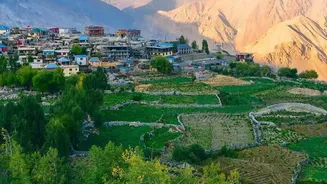
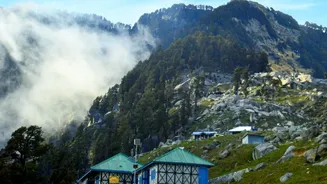
Unlike the bustling starting points of more famous treks, the journey to Deo Tibba begins quietly. A short drive from Manali takes you past the ancient village of Jagatsukh, once the capital of the Kullu kingdom, to the trailhead near Khanol. From here,
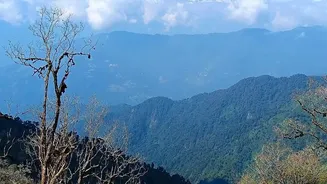
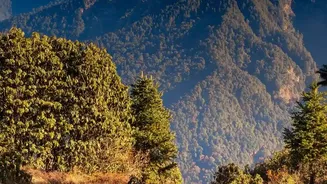
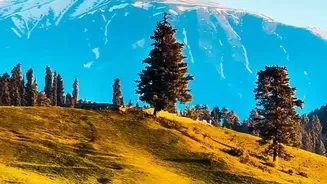
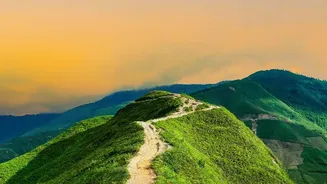
the path immediately immerses you in a dense forest of pine, fir, and oak. The trail ascends gently, following the path of the Duhangan Nallah, a pristine stream whose gushing sounds become a constant companion. The first campsite, Chikka, is a serene meadow that offers a grand welcome, spiritually significant to locals and boasting views that hint at the grandeur to come.
Seri: The Meadow That Was Once a Lake
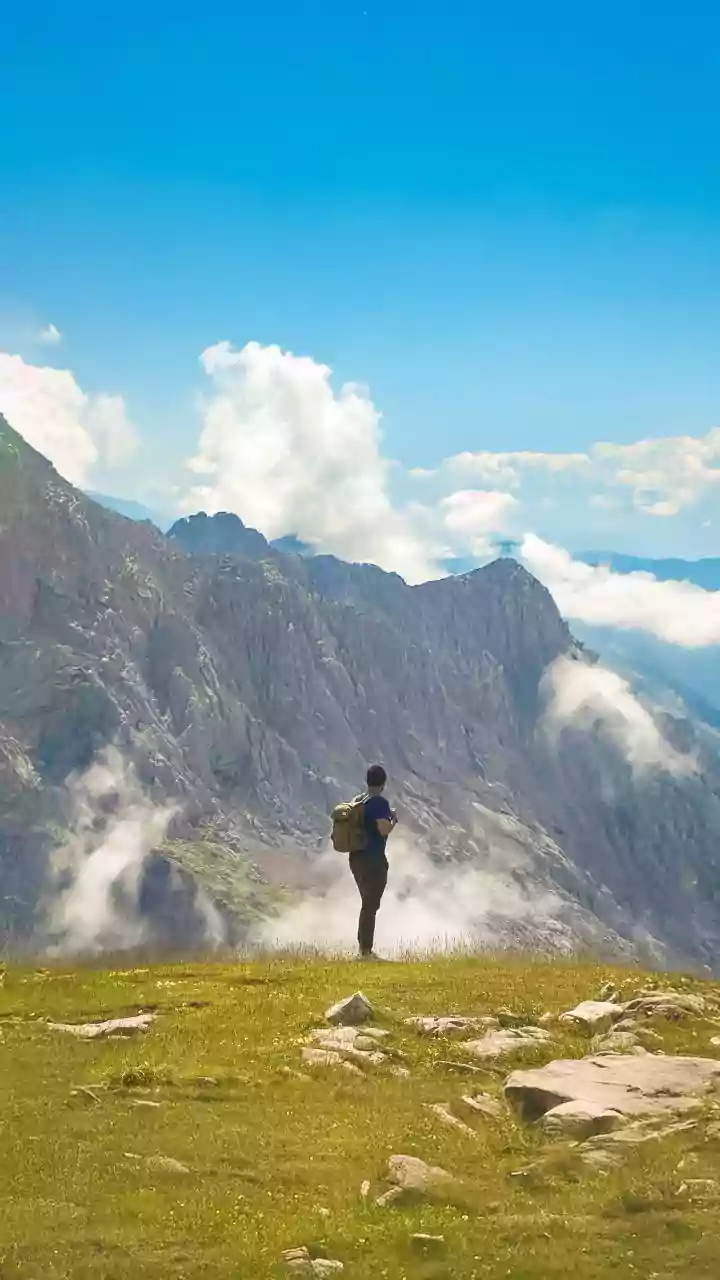
The second day of the trek unveils one of the route's most defining features: the meadows of Seri. As you leave the treeline behind, the valley opens up dramatically into a vast, flat expanse of green. This breathtaking meadow, carpeted with alpine wildflowers in the summer, was once a glacial lake. Now, it serves as a high-altitude pasture for Gaddi shepherds and a spectacular campsite for trekkers. Drained by icy rivulets and framed by towering cliffs, including the Tainta waterfall on one side, Seri is a place of profound tranquility. It’s here that the sheer scale of the landscape begins to reveal itself, with the peaks of Deo Tibba and Indrasan dominating the horizon.
Ascent to Tainta and a Hidden Lake
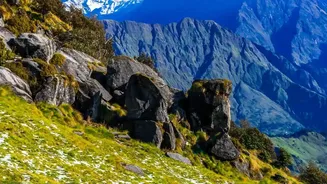
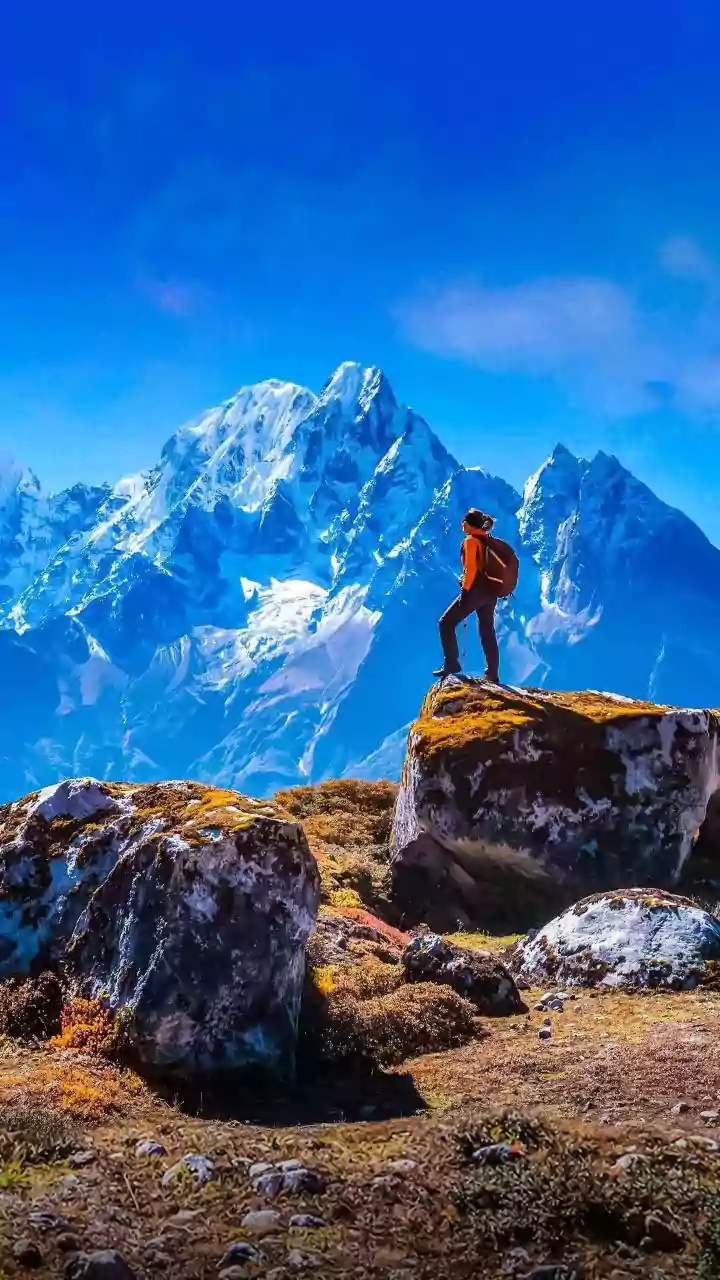
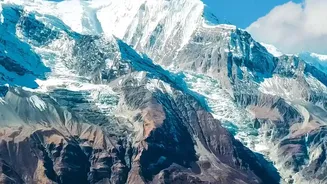
From the gentle plains of Seri, the trail becomes more challenging. The path to the next campsite, Tainta, involves a steep climb over boulders and moraine. This section tests your endurance but rewards you with increasingly dramatic views of the Deo Tibba massif and its hanging glaciers. The Tainta campsite itself is beautifully located, surrounded by glaciers and clear streams. The true prize of this leg of the journey, however, lies just a day hike away: Mini Chandratal. This stunning, emerald-blue glacial lake sits at an altitude of approximately 4,480 meters, its waters mirroring the snow-clad peaks. It is a hidden gem, not to be confused with its larger namesake in Lahaul-Spiti, and a major highlight of the entire trek.
The Domain of the Gods
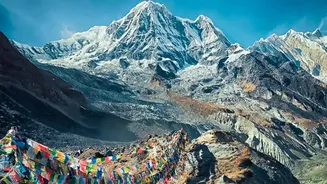
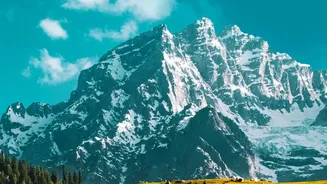
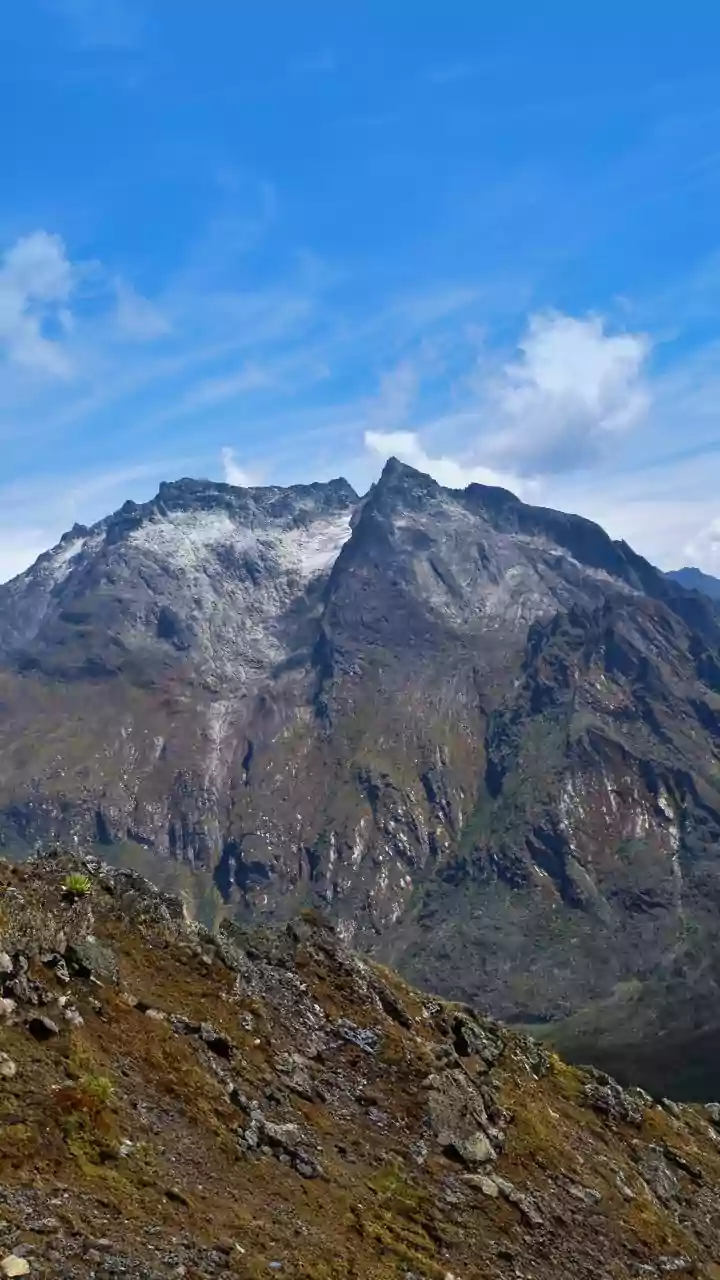
The final approach to Deo Tibba Base Camp is a walk into a high-altitude wilderness. The terrain is rugged, a mix of moraine and scree, but the views are unparalleled. You are now in the domain of Deo Tibba itself, a majestic 6,001-meter peak that locals believe is a meeting place for the gods—'Deo' meaning god and 'Tibba' meaning hill. Its dome-shaped summit is a distinctive feature in the Pir Panjal range. From this vantage point, you can also see the formidable peak of Indrasan, which mythology marks as the throne of Lord Indra. The base camp is a raw, elemental place, surrounded by the very glaciers that feed the streams you followed on your way up.
Planning Your Journey
The Deo Tibba Base Camp trek is rated as moderate to challenging, suitable for those with some prior trekking experience. The best times to undertake this journey are from May to June and again from September to October. These windows avoid the monsoon's slippery trails and offer clear skies, pleasant weather, and meadows blooming with flowers or painted in autumn hues. A typical itinerary spans about five to six days, allowing for gradual acclimatization to the altitude, which reaches over 4,480 meters at Mini Chandratal. Due to the altitude and terrain, it is highly recommended to go with an experienced guide or a certified trekking organization.