





The Old Myth of Protein
For years, protein supplements in India occupied a very specific niche. They were seen as the exclusive domain of serious athletes and bodybuilders—sold in large, intimidating tubs and associated with muscle gain, not general health. For the average Indian
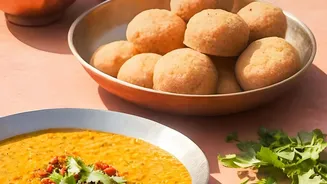
household, protein was something you got from dal and paneer; the idea of adding a scoop of powder to your milk was often met with skepticism, viewed as unnatural or even potentially harmful. This perception created a significant gap: while studies consistently showed widespread protein deficiency across the country, the products designed to bridge this gap were only speaking to a tiny fraction of the population. The conversation was all about building bulk, not about balanced nutrition for a hectic life.
A Market in Transformation
That old view is rapidly becoming obsolete. Recent market analyses reveal a seismic shift in India's protein landscape. The market, valued at over USD 1.6 billion in 2026, is projected to grow significantly, with some estimates suggesting a compound annual growth rate (CAGR) of over 6.5%. This growth isn't just coming from more people hitting the gym. It’s being driven by a fundamental change in consumer awareness and brand strategy. The COVID-19 pandemic, in particular, acted as a catalyst, accelerating a focus on immunity and long-term health resilience. As a result, what was once a niche fitness product is now a mainstream grocery item, with the food and beverage application accounting for a majority of protein demand.
Meet the New Protein Consumer
The new face of the protein consumer in India is not a bodybuilder, but a busy working professional, a health-conscious parent, or a woman looking to manage her energy levels through better nutrition. This demographic isn't interested in 'gains' in the traditional sense. Instead, they are looking for convenient solutions to modern problems: bridging nutritional gaps in irregular meals, maintaining energy during a long workday, and ensuring their family gets a balanced diet. Brands are realizing that this consumer seeks benefits like weight management, satiety, and overall well-being. This shift has expanded the market beyond urban metros, with demand growing rapidly in tier-II and tier-III cities as nutritional awareness becomes more widespread.
How Brands Are Changing the Conversation
Leading the charge are forward-thinking brands, from large FMCG players like ITC and Amul to nimble startups. They are rewriting the protein playbook by focusing on three key areas: accessibility, formulation, and communication. Accessibility has improved with the introduction of single-serve sachets, protein-fortified biscuits, and ready-to-drink shakes, which lower the barrier to entry for new users. Formulations are being tailored to the Indian palate with familiar flavours, and products are being integrated into everyday staples like atta and breakfast cereals. Most importantly, the communication has changed. Marketing now emphasizes 'strength for everyday life,' 'helping India eat better,' and 'real nutrition for real days,' using relatable messaging that resonates far beyond the gym.
Challenges and the Road Ahead
Despite the boom, the journey is not without its challenges. Widespread protein deficiency persists, with some surveys indicating that as many as 73% of urban Indians have inadequate protein intake. Awareness is still a major hurdle; a large portion of the population remains unsure about their daily protein requirements. Furthermore, affordability remains a key concern, restricting consumption in a price-sensitive market. Issues of product quality and mislabeling have also been raised, highlighting the need for stricter regulation to build consumer trust. However, the direction of travel is clear. Protein is no longer just a supplement; it's a core component of a modern, health-conscious Indian diet.