







Why Visit During the Monsoon?
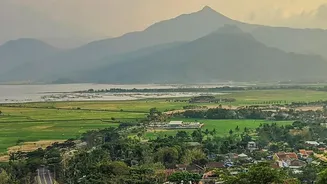
Visiting Tamil Nadu during the rainy season is a choice to see the state in its most vibrant form. The monsoons, spanning from the southwest showers (June-September) to the more intense northeast monsoon (October-December), wash the dust away, leaving
behind a landscape of electric greens and moody skies. Tourist crowds thin out, prices often drop, and the entire region takes on a more peaceful, unhurried pace. Instead of an obstacle, the rain becomes part of the experience, offering cooler temperatures and a dramatic backdrop for everything from ancient temples to sprawling plantations. It's a time for quiet reflection, enjoying a hot cup of filter coffee while watching the downpour, and seeing nature at its most rejuvenated.
Part 1: The Misty Tea Estates of the West
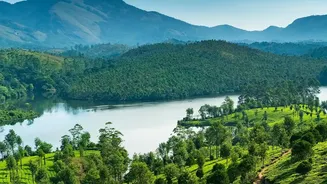
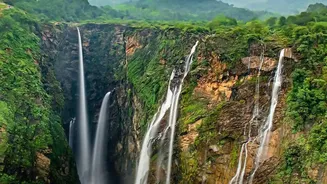
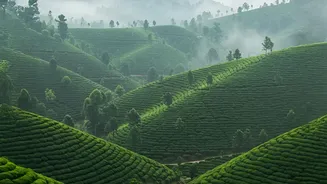
Your journey begins in the Western Ghats, where hill stations are wrapped in a magical veil of mist. While Ooty and Kodaikanal are popular choices, consider the less-travelled roads leading to Valparai in the Anamalai Hills. The drive itself, famous for its 40 hairpin bends, is an adventure, with each turn revealing breathtaking views of rain-drenched tea estates. During the monsoon, waterfalls like Aliyar and Monkey Falls are at their most powerful. Stay in a tea estate bungalow to fully immerse yourself in the experience: waking up to the scent of wet earth and fresh tea leaves, and walking through plantations where clouds drift lazily across the hills. This season is also a delight for birdwatchers, as many species become more active. However, be mindful that heavy rains can make roads slippery and safaris in the Anamalai Tiger Reserve may operate on a reduced schedule.
Part 2: The Dramatic Seafronts of the East
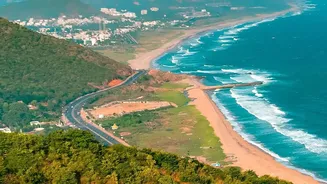
From the serene hills, travel towards the coast, which has its own unique monsoon drama. While many avoid the sea during this time, it’s when you can witness its raw power and beauty. Head to the ancient town of Mahabalipuram, a UNESCO World Heritage Site. The rain gives the intricately carved stone of the Shore Temple and Arjuna's Penance a glistening, almost-living quality. The experience of seeing the 8th-century Shore Temple against a backdrop of dark monsoon clouds and crashing waves is unforgettable. Further south, Kanyakumari, the subcontinent’s southernmost tip, offers a different kind of coastal spectacle. The confluence of the Bay of Bengal, the Arabian Sea, and the Indian Ocean becomes a powerful, churning sight under overcast skies. Strolling along the beach during a light drizzle, with fewer crowds, allows for a more personal and contemplative experience of this iconic location.
Practical Tips for Monsoon Travel
A successful monsoon trip is all about preparation. Pack quick-drying clothes and waterproof outerwear. Sturdy, non-slip footwear is essential, especially for exploring hill stations where paths can become slick. Keep your electronics in waterproof bags. When driving in the ghats, be cautious of slippery roads and reduced visibility due to fog and rain; it's best to travel during daylight hours and avoid driving at night. It’s also wise to keep your itinerary flexible. Heavy downpours can sometimes cause travel delays or temporary closures of certain attractions. Embrace the slower pace—this is the perfect time to read a book, enjoy local cuisine, and simply watch the rain.