

Gurudongmar Lake, Sikkim
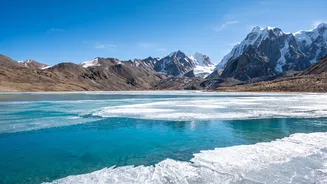
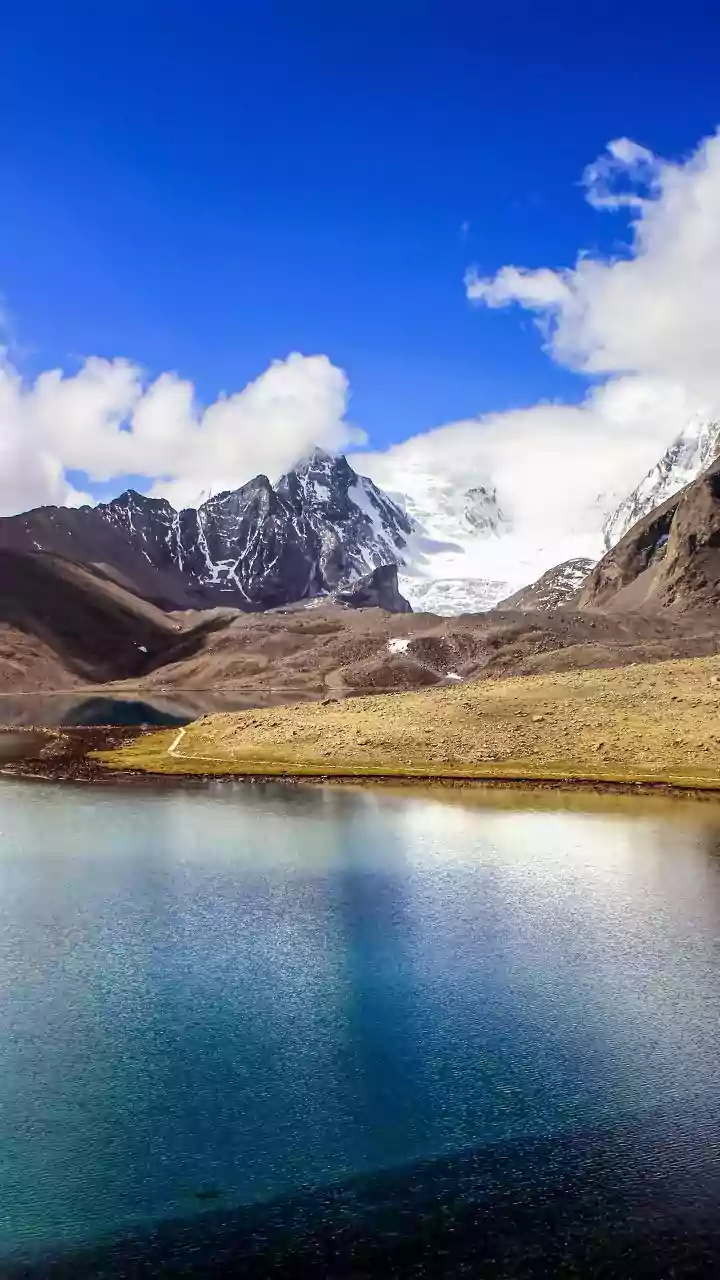
Perched at a staggering altitude of over 17,000 feet, Gurudongmar Lake is one of the highest lakes in the world. Located in North Sikkim near the Tibet border, its crystal-clear, icy blue waters are considered sacred by both Buddhists and Sikhs. Legend
holds that Guru Padmasambhava touched and blessed a portion of the lake, causing it to remain unfrozen even in the harshest winters. The journey to this high-altitude wonder requires acclimatisation, typically with an overnight stay in the village of Lachen. Due to thin air, visits are usually short, but the panoramic views of snow-capped peaks against the turquoise water are unforgettable. The best times to visit are from April to June and again from October to November.
Loktak Lake, Manipur
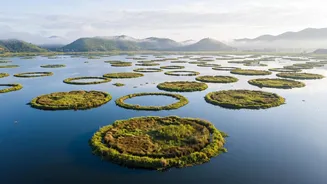
Famous for its 'phumdis', Loktak Lake in Manipur is unlike any other water body in the world. These phumdis are floating, circular masses of vegetation, soil, and organic matter that drift across the surface, giving it the name 'the floating lake'. It is the largest freshwater lake in Northeast India, acting as a vital lifeline for the state's economy and culture. The most remarkable feature is the Keibul Lamjao National Park, the world's only floating national park, located on the largest phumdi. This park is the last natural habitat of the endangered Sangai, or brow-antlered deer. Visitors can experience life on the phumdis, where fishermen have built floating huts, making it a unique ecological and cultural destination.
Tsomgo Lake, Sikkim
Also known as Changu Lake, Tsomgo is a glacial lake located about 40 kilometres from Gangtok on the route to Nathula Pass. Situated at an altitude of 12,313 feet, this sacred lake is revered by locals and is known for changing colours with the seasons. In winter, it is a frozen wonderland, while summer brings a bloom of alpine flowers like rhododendrons and blue poppies along its periphery. The lake is associated with many myths, with monks in the past said to have predicted the future based on its water's colour. Visitors can enjoy rides on colourfully decorated yaks and mules, or simply soak in the serene atmosphere by the small Shiva temple on its bank. Permits are required for all tourists visiting this protected area.
Sela Lake, Arunachal Pradesh
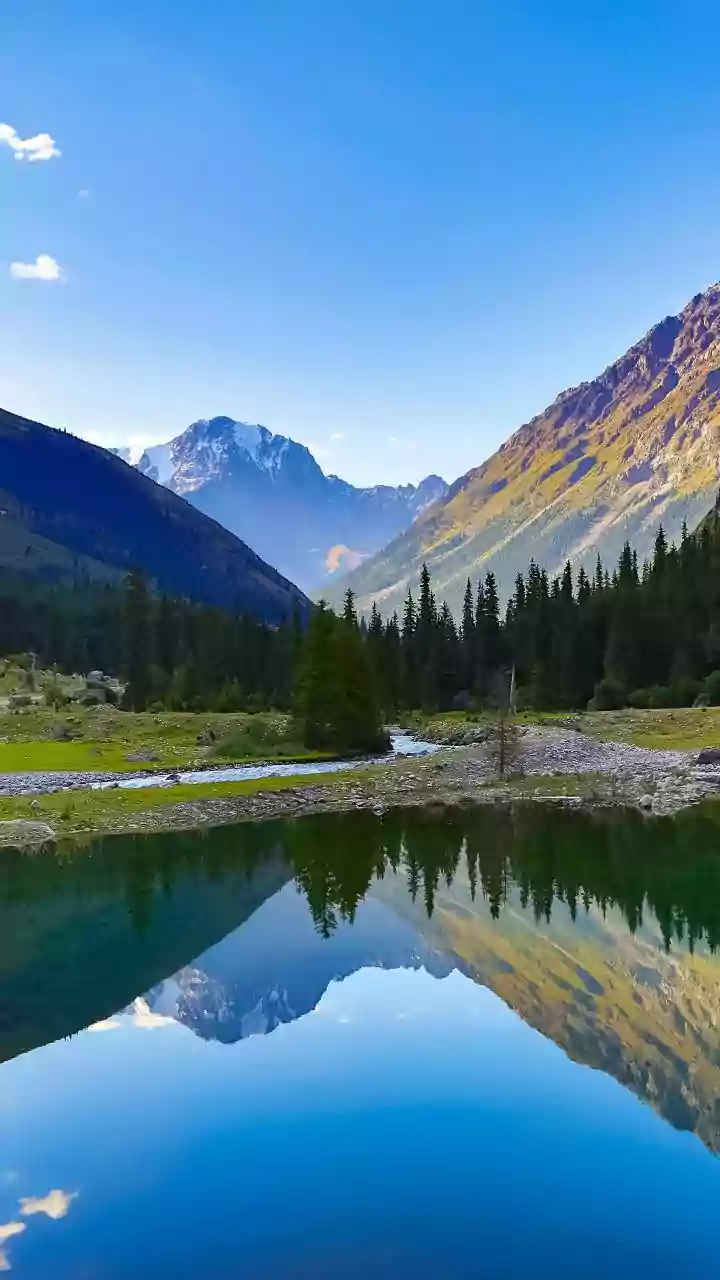
Nestled near the high-altitude Sela Pass in Tawang district, Sela Lake is often called 'Paradise Lake' for its ethereal beauty. At an elevation of around 13,700 feet, the lake is surrounded by the majestic Eastern Himalayas and is considered sacred in Tibetan Buddhism. It remains frozen for much of the winter, creating a starkly beautiful landscape. The lake is historically significant and lies on a strategically important route connecting Tawang to the rest of India. For travellers heading towards Tawang, the lake is a breathtaking stop, offering crystal-clear reflections of the surrounding peaks on calm days and a tranquil atmosphere that feels truly otherworldly.
Umiam Lake, Meghalaya
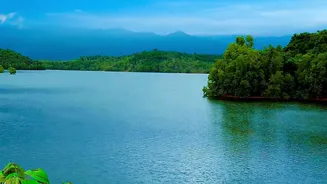
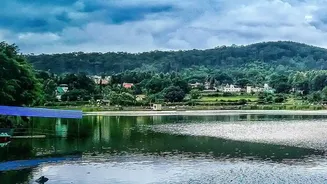
Known locally as Barapani, or 'big water', Umiam Lake is a vast man-made reservoir located just north of Shillong. Formed in the early 1960s by damming the Umiam River, it has become a major hub for tourism and water sports in Meghalaya. The scenic beauty of the lake, encircled by lush green hills, makes it a popular spot for picnicking, boating, and photography. Adventure enthusiasts can indulge in activities like kayaking, water skiing, and riding speed boats. The Orchid Lake Resort nearby offers excellent views and facilities for visitors looking to spend a day by the water. Its combination of serene ambiance and adventure makes it a must-visit destination.
Shilloi Lake, Nagaland
Shilloi Lake is the largest natural lake in Nagaland, located in the Phek district and shaped intriguingly like a human footprint. Surrounded by verdant pine forests and rolling hills of the Patkai range, the lake is steeped in local legend. One popular tale speaks of a reigning queen of the lake, a spirit who protects it, and it is believed that no one can drown in its waters. Originally named 'Lütsam' by the locals, meaning 'a place where water is collected', its serene environment makes it a haven for migratory birds like Siberian Cranes, offering excellent birdwatching opportunities. Visitors can also enjoy boating and fishing in this tranquil and culturally significant spot.
Palak Dil, Mizoram
Palak Dil, which translates to 'swallowing lake' in the Mara language, is the largest natural lake in Mizoram. Situated in the state's southern region near the Myanmar border, this oval-shaped lake is a biodiversity hotspot. It is a core component of the Palak Wildlife Sanctuary, which is home to elephants, various wetland birds, and over 222 bird species. The lake and its surrounding virgin forests attract nature lovers and researchers. Rich in folklore, one legend tells of a village that was submerged to form the lake after villagers consumed a mythical serpent. Today, it stands as a designated Ramsar site, recognized for its ecological importance and pristine beauty.
Haflong Lake, Assam
Located in the heart of Assam's only hill station, Haflong Lake is a picturesque water body that serves as the town's centrepiece. Maintained by the local council, the lake is clean and offers various recreational activities, including boating and fishing. A beautiful hanging bridge adds to its charm. Surrounded by lush greenery, it becomes a sanctuary for migratory birds during the winter, making it a great spot for birdwatchers. The pleasant weather, especially from October to March, makes it an ideal destination for a peaceful getaway, offering serene strolls and relaxing boat rides amidst the tranquil hills.