







The Old Belief: Avoid Bathing
The long-standing advice passed down through generations is often to avoid water entirely when sick. The concern is that bathing could worsen the illness, lead to a chill, and prolong the fever. This belief stems from a time when bathrooms were less protected
from the elements, and the shock of cold water was a genuine risk. While well-intentioned, this traditional wisdom often overlooks the discomfort and hygiene issues that arise from not bathing, especially when a fever causes heavy sweating. Not cleaning the skin can lead to itchiness, discomfort, and even potential skin infections.
The Medical Truth: A Lukewarm Bath Can Help
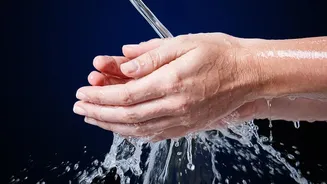
Modern medical advice clarifies that bathing during a fever is generally safe and can even be beneficial, provided it's done correctly. A bath in lukewarm water—neither too hot nor too cold—can help a person feel more comfortable, cleaner, and more relaxed. The primary goal of a bath during a fever isn't to 'cure' it, but to provide comfort and help the body regulate its temperature more effectively. Some studies refer to this as tepid sponging, where a cloth dipped in lukewarm water is used to wipe the body, which can also help in gently lowering body temperature.
Why Water Temperature Is Crucial
The key is the water temperature. Using very cold or ice water is strongly advised against. The sudden cold can cause shivering, which is the body's way of generating heat. This means a cold bath can paradoxically cause your core body temperature to rise. On the other hand, a very hot bath is also a bad idea as it can raise your body temperature further and increase the risk of dehydration and dizziness, especially when you're already feeling weak. Lukewarm water, which feels comfortable to the touch, helps cool the body through gentle evaporation without causing a shock to the system.
The Real Hero: Staying Hydrated
While the bathing debate gets all the attention, doctors emphasize that hydration is far more critical for recovery. A fever increases your body's metabolic rate and can lead to significant fluid loss through sweating. This can quickly lead to dehydration, which can worsen symptoms like headaches and fatigue, and make it harder for your immune system to function. Drinking plenty of fluids—like water, clear broths, or electrolyte solutions—helps replenish what's lost, supports your immune cells in fighting the infection, and aids in regulating your body temperature.
The Unsung Champion: Getting Enough Rest
Alongside hydration, rest is the other non-negotiable pillar of fever care. A fever is a sign that your body is working hard to fight off an infection, a process that consumes a tremendous amount of energy. Pushing yourself to carry on with normal activities can prolong the illness. Rest allows your body to conserve energy and divert those resources directly to the immune response. Getting adequate sleep supports your immune system, helps reduce inflammation, and gives your body the best possible chance to heal itself efficiently.
The Final Verdict
So, should you bathe during a fever? Yes, a short, lukewarm bath is generally fine and can make you feel better. However, it's more of a comfort measure than a treatment. The real focus should be on what truly helps your body recover: drinking plenty of fluids to stay hydrated and getting as much rest as possible. Instead of worrying about whether to get into the shower, your energy is better spent resting in bed with a glass of water by your side. These are the two factors that will make the biggest difference in how quickly you get back on your feet.