








Question 1: What’s the First Ingredient?
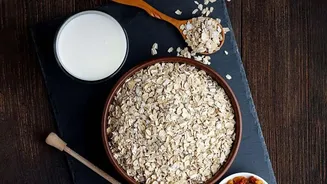
Before looking at any numbers, find the ingredients list. The most important thing to look for is a whole grain listed first. Words like “whole wheat,” “whole grain oats,” or “brown rice” indicate that the cereal is made from the entire grain kernel.
This is crucial because whole grains retain their fiber, B vitamins, iron, and magnesium, nutrients that are often stripped away during the refining process that creates white flour or degerminated corn meal. Many brands will advertise “made with whole grains” on the front of the box, but this can be misleading. A product can make this claim even if whole grains are not the primary ingredient. The ingredients list, which is always ordered by weight, tells the true story. If the first ingredient is a whole grain, you're starting in a good place. Some manufacturers even add a “whole grain stamp” to their packaging to help consumers, guaranteeing at least 8 grams of whole grain per serving.
Question 2: How Much Sugar Is In It?
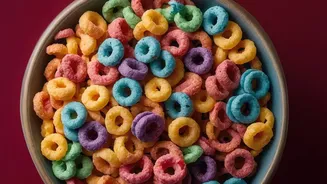
Next, turn your attention to the Nutrition Facts panel and find the line for “Added Sugars.” Many breakfast cereals are loaded with sugar, with some containing 15 grams or more per serving, which is nearly half the recommended daily limit for an adult. As a simple rule of thumb, look for cereals with single-digit grams of sugar per serving — ideally 8 grams or less. Some experts suggest an even stricter limit of 6 grams. Be wary of the many names for sugar that can appear on the ingredients list, such as high-fructose corn syrup, dextrose, molasses, or fruit juice concentrate. Choosing a cereal with less sugar prevents a mid-morning energy crash that can follow a blood sugar spike. If you prefer a sweeter taste, it's better to choose a low-sugar cereal and add natural sweetness yourself with fresh fruit like berries or a sliced banana.
Question 3: Where Is the Fiber?
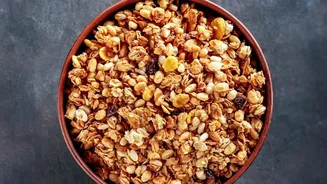
Fiber is a key component of a healthy breakfast because it helps you feel full and satisfied, preventing mindless snacking before lunch. It also aids in digestion, helps stabilize blood sugar, and can contribute to lowering cholesterol. When you scan the nutrition label, aim for a cereal that contains at least 3 grams of fiber per serving. If you can find one with 5 grams or more, you've found an excellent choice. Cereals made with bran, whole wheat, and oats are typically great sources of fiber. Some of the highest-fiber options on the market can provide over 10 grams per serving. Starting your day with a high-fiber meal is a significant step toward meeting the daily recommended intake, which many people fall short of. Combining a high-fiber cereal with fruit or a handful of nuts can boost the fiber content even further and add healthy fats and protein.
Putting It All Together
While these three questions will guide you to a better choice, don't forget to check the serving size listed at the top of the nutrition panel. The sugar and fiber content is based on that specific amount, which can range from a small half-cup to a more generous cup and a quarter. If you know you typically pour a larger bowl, you'll need to adjust the numbers accordingly. Also, pay a quick glance to sodium levels; some cereals, especially sweeter ones, can have surprisingly high amounts of salt added to enhance the flavor. A good target is to find a cereal with less than 140 milligrams of sodium per serving. By using this simple three-question checklist — whole grain first, low sugar, and high fiber — you can feel confident that you're making a genuinely healthy choice to start your day.