







A Location on the 'Ring of Fire'
Japan's susceptibility to earthquakes is fundamentally due to its position on the Pacific Ring of Fire, a massive horseshoe-shaped belt that stretches for nearly 40,000 kilometres around the Pacific Ocean. This zone is home to more than 450 volcanoes
and is the site of approximately 90% of the world's earthquakes. The Ring of Fire isn't a physical object, but a vast boundary where some of Earth’s major tectonic plates meet. The immense energy released when these plates shift, grind against each other, or slide one under the other is what triggers the seismic events that are so common in the region.
A Tectonic Four-Way Intersection
What makes Japan's situation particularly intense is that it sits at the complex junction of four major tectonic plates: the Pacific, North American, Eurasian, and Philippine Sea plates. The Pacific plate moves westward and slides under the North American plate, a process known as subduction. Similarly, the Philippine Sea plate subducts beneath the Eurasian plate. This constant grinding and sinking of massive sections of the Earth's crust creates immense stress in the rock, which is eventually released in the form of earthquakes. This unique and volatile geological configuration means Japan experiences around 1,500 perceptible earthquakes annually and accounts for a significant percentage of the world's high-magnitude seismic events.
Understanding Recent Tremors
While clusters of earthquakes or a major event can feel like an alarming new pattern, scientists largely view them as consistent with Japan's long-term seismicity. For instance, a powerful quake like the one that struck Kumamoto in July 2026 is a stark reminder of the constant hazard, but it aligns with the known behaviour of the active fault lines in the region. Experts have noted that such events can be triggered by stress built up along faults, sometimes related to previous quakes in the same area. While seismologists constantly monitor for changes in frequency, the consensus remains that Japan’s seismic activity is a feature of its permanent geological setting, not a temporary anomaly. Major quakes are expected to occur every 10 to 15 years on average, based on historical data.
A Nation Engineered for Resilience
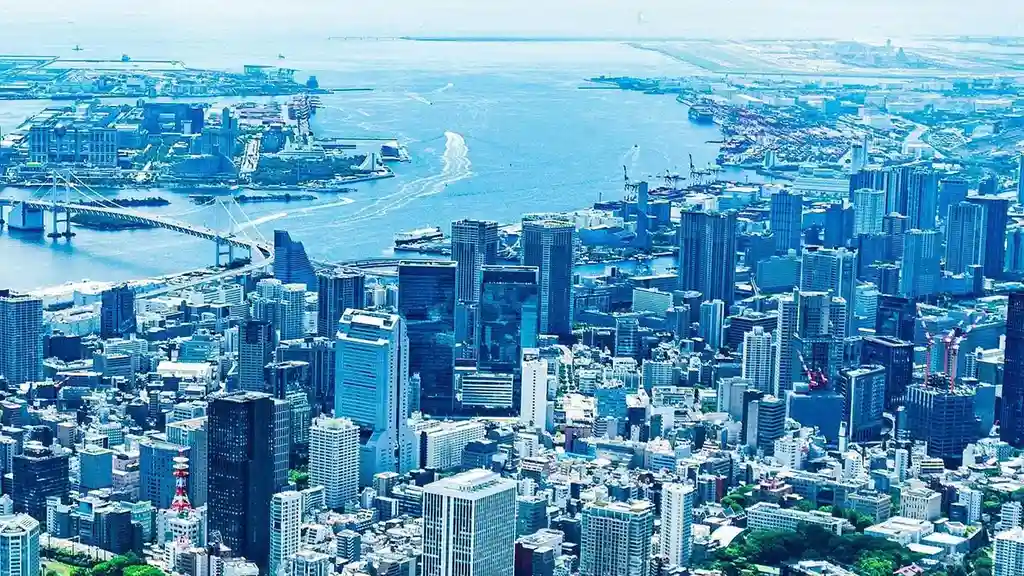
Living with this constant risk has made Japan a world leader in earthquake preparedness and engineering. The country's approach is a blend of proactive design and deep-seated social readiness. After devastating quakes in the 20th century, Japan has repeatedly updated its building codes, which are now among the strictest in the world. Modern high-rises in cities like Tokyo are marvels of anti-seismic engineering, incorporating technologies like base isolation pads that separate the building from the ground's movement and internal dampers that act like shock absorbers. This culture of preparedness extends to the public, with one of the world's most sophisticated early-warning systems that sends alerts to mobile phones, often providing crucial seconds for people to take cover before strong shaking arrives. Regular drills and emergency kits are a normal part of life, reflecting a society that has adapted to its geographic reality.