
The Global Culinary Pecking Order
The much-anticipated annual list from TasteAtlas, a global food and travel guide, placed India among the world's culinary elite. This year, the top honours went to Italian cuisine, followed closely by Greece and Peru. The rankings are a subject of intense
debate and national pride, with countries like Portugal, Spain, Japan, and China also featuring in the top tier. For India to be ranked 13th is a significant acknowledgement on a global stage, placing it ahead of many other beloved food cultures and signalling its mainstream appeal.
What Did the World Love About Indian Food?
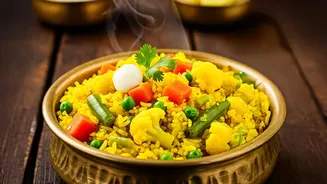
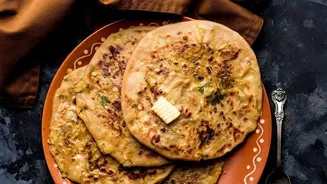
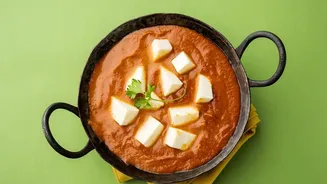
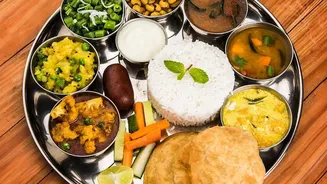
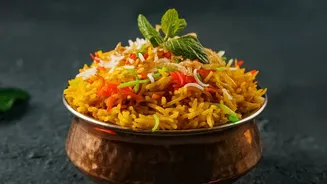
The ranking isn't just a single number; it's an average score derived from audience ratings of thousands of individual dishes and food products. So, what Indian delicacies captured the world's palate? Unsurprisingly, breads and curries feature heavily. Items like Butter Garlic Naan, Amritsari Kulcha, and Parotta received high praise. Classics such as Murgh Makhani (Butter Chicken), Hyderabadi Biryani, and Keema also contributed to India's strong performance. Even the foundational spice blend, Garam Masala, was singled out as a must-try product, highlighting that the world is beginning to appreciate the nuanced layers of flavour beyond just 'spicy'.
How the List Is Made
Before we either celebrate or critique the number, it's important to understand how TasteAtlas arrives at its conclusions. The platform functions as an encyclopedia of traditional foods, collecting ratings from its global audience throughout the year. The final score for each country is an average of the best-rated dishes and food products. The system uses mechanisms to filter out bot-driven, biased, or overly nationalistic votes to ensure the ratings are from real, discerning users. It’s not a panel of expert chefs deciding the winner, but a democratic, audience-led verdict on what people around the world are enjoying.
More Than Just a Number
Is 13th a fair position for a country with a culinary history as ancient and varied as India's? That's the million-rupee question. On one hand, it's a testament to the growing global popularity of Indian food. On the other, many would argue that no single ranking can do justice to a cuisine that changes every hundred kilometres. The food of Kerala is vastly different from that of Punjab, and the delicacies of Bengal have little in common with the street food of Mumbai. TasteAtlas itself acknowledges regional strengths, with several Indian regions like Southern India and West Bengal also making their own mark on specific lists. These rankings often spark passionate debate, with many pointing out that popular, widely available dishes tend to score higher, potentially overlooking countless regional gems.
Celebrating Our Culinary Identity
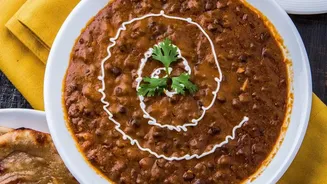
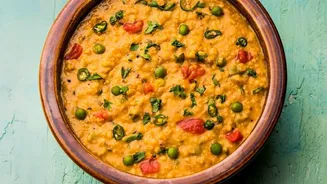
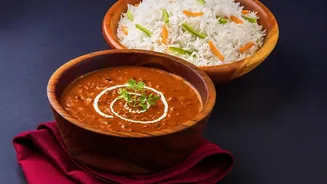
While lists and awards are a fun way to see how our culture is perceived on a global scale, they are just one part of the story. The true richness of Indian food isn't found in a ranking but in the kitchens of our homes, the bustling street-side stalls, and the festive meals that bring families together. The global recognition for dishes like Butter Chicken and Garlic Naan is wonderful, but it’s also an invitation for the world to look deeper. It's an opportunity to introduce them to the complexities of a Chettinad curry, the comfort of a simple Dal Tadka, the artistry of a perfectly made Dosa, or the sweet satisfaction of Kulfi and Phirni.