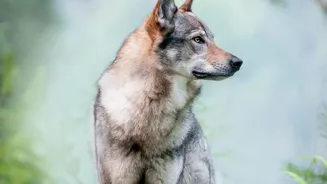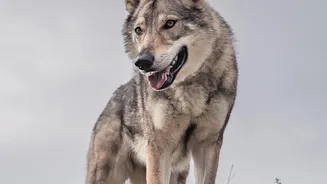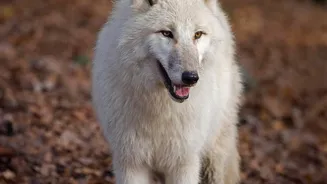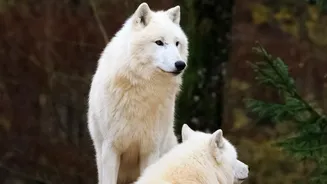





A Conservation Comeback Story
Not long ago, wolf populations in many parts of North America and Europe were decimated, relegated to folklore and memory due to habitat loss and systematic persecution. By the mid-20th century, they had vanished from much of their historical range. However,
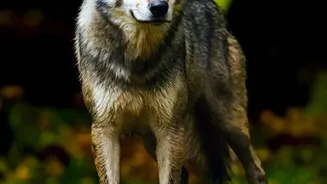
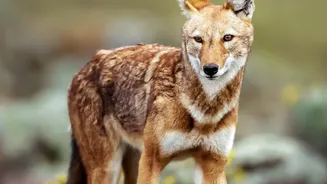
thanks to legal protections like the Endangered Species Act in the U.S. and the Bern Convention in Europe, combined with dedicated reintroduction efforts, wolves have made a remarkable comeback. This ecological success story has had cascading effects, not only rebalancing ecosystems but also creating unexpected economic opportunities where they are needed most.
The Yellowstone Effect
Perhaps the most famous example is Yellowstone National Park. After wolves were reintroduced in 1995, the park's ecology transformed in what is known as a trophic cascade. But the changes weren't just ecological. An entirely new tourism sector was born. Today, wolf-watching is a major draw, bringing an estimated $82 million in annual revenue to the small gateway communities surrounding the park in states like Montana and Wyoming. This boom has turned the quiet winter months into a peak season for local guides, hotels, and restaurants, demonstrating how a single species can revitalise an entire regional economy.
Europe's Rural Revival
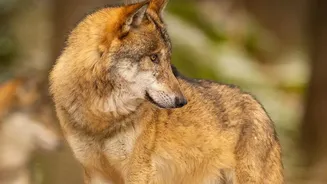
This phenomenon isn't limited to the American West. Across Europe, where rural areas often face depopulation and economic decline, the wolf's return is fueling a similar trend. In Spain, the Sierra de la Culebra mountain range now boasts the highest density of Iberian wolves in the country and has become a premier destination for wildlife tourism. Visitors from around the world hire local guides, stay in village accommodations, and dine on regional food, providing a sustainable income that complements, and in some cases surpasses, traditional agriculture. Similar stories are unfolding in the Asturias region of Spain and even parts of the Netherlands and Poland, where wildlife tourism centered on wolves and other large animals supports local jobs and services.
More Than Just a Sighting
Wolf-watching tourism is a prime example of low-impact, high-value travel. The goal isn't just a fleeting glimpse of an animal, but a deeper immersion in the environment. Travellers spend days with expert biologist guides, using high-powered scopes to observe wolf packs from a respectful distance at dawn and dusk. This model ensures that the economic benefits are spread throughout the community. Money flows to specialised local operators, family-run lodges, and small businesses that provide everything from meals to equipment. It fosters an appreciation for the entire ecosystem and transforms a predator, once seen as a liability, into a celebrated community asset.
A New Model for Coexistence
Of course, the return of a top predator is not without challenges. Conflicts with livestock farming remain a legitimate concern that requires ongoing management and compensation programs. Yet, the economic case for conservation is becoming undeniable. In some instances, the financial benefits generated by wolf tourism far outweigh the costs associated with livestock losses. One study found the economic benefit of reduced deer-vehicle collisions due to wolf predation was 63 times greater than the costs of wolf predation on livestock. This evolving dynamic shows that coexistence, while complex, is possible and profitable. It provides a powerful incentive for communities to protect their wild neighbours, framing conservation not as a cost, but as a direct investment in a resilient economic future.