
An Alternative to Crowded Trails
For years, the Hampta Pass trek has been the go-to choice for adventurers in the Kullu Valley, offering a dramatic crossover journey into Lahaul. Its popularity, however, has led to crowded campsites and well-trodden paths. In response, seasoned trekkers
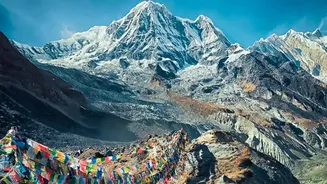
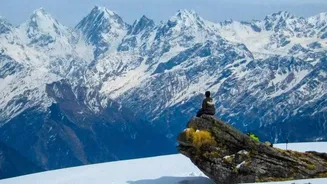
and those looking for a more authentic wilderness experience are turning their attention to nearby alternatives. The Deo Tibba Base Camp trek has emerged as a prime candidate, offering comparable grandeur without the crowds. Often overlooked, it provides a classic trekking experience—from lush forests to vast meadows and glacial moraines—all within the same stunning Pir Panjal mountain range.
The Journey to the 'Abode of Gods'
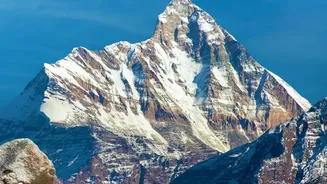
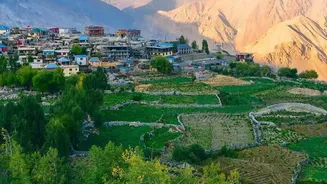
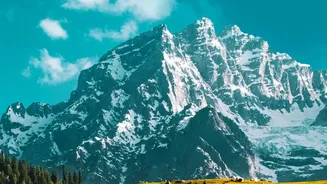
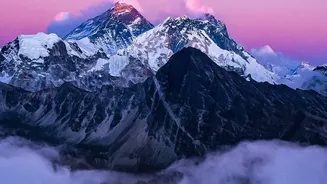
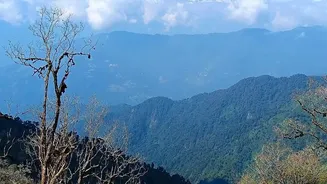
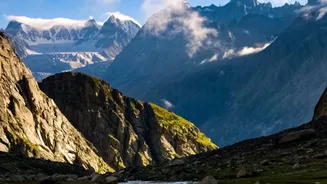
Deo Tibba, which translates to 'Hill of the Gods', is a massive dome-shaped peak standing at 6,001 meters. Local belief holds that it is a gathering place for the deities of the valley. While the trek doesn't go to the summit—a technical climb reserved for experienced mountaineers—it leads to its spectacular base camp. The journey typically begins from the ancient village of Jagatsukh, just outside Manali. From there, the trail winds through dense forests of pine, oak, and birch, following the gushing Jagatsukh Nala upstream. The trek is a multi-day adventure, usually lasting around six days, making it a substantial undertaking that requires good physical fitness.
From Lush Meadows to Glacial Lakes
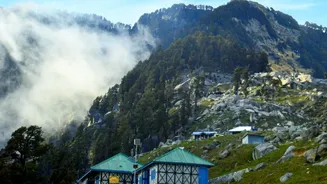
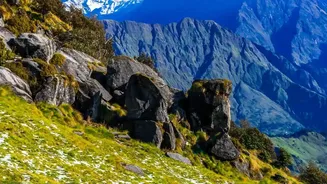
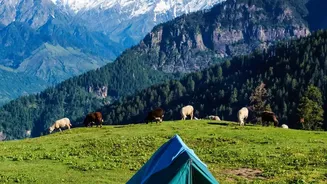
The trek's landscape transforms dramatically each day. The first major campsite, Chikka, is set in a beautiful meadow. From there, the trail ascends to Seri, a vast and captivating alpine meadow that was once a glacial lake. This is where the tree line recedes, opening up panoramic views. The journey continues through a boulder-strewn landscape to the Tainta campsite, which serves as the base for the final push. A key highlight is the excursion to Mini Chandratal (or Chota Chandratal), a pristine high-altitude lake nestled at the foot of the Deo Tibba massif. The sight of the emerald lake with the towering peaks of Deo Tibba and its neighbor Indrasan reflected in its waters is an unforgettable reward.
Difficulty, Season, and Preparation
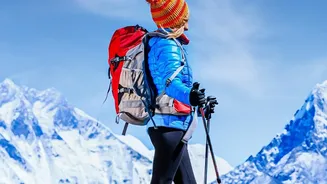
The Deo Tibba Base Camp trek is rated as moderate to difficult. The challenge comes from the sustained ascent, high altitude, and rocky moraine fields in the upper reaches. Trekkers need to be prepared for several consecutive days of walking for 5-6 hours. Proper acclimatization is crucial, as the trail reaches an altitude of around 4,480 meters (14,698 feet) at the base camp. Prior high-altitude trekking experience is beneficial but not strictly necessary for those with a high level of fitness. The best time to undertake this trek is from May to June and from September to October, when the weather is generally stable and the views are clear.
Why It's Getting Attention Now
The focus on Deo Tibba for Mountain Day is part of a broader conversation in the trekking community about sustainable tourism. By promoting lesser-known trails, organizers and local guides hope to alleviate the environmental pressure on popular routes like Hampta Pass. This allows for a better distribution of trekkers, preserves the fragile Himalayan ecosystem, and offers a more serene experience for adventurers. Highlighting treks like Deo Tibba encourages exploration beyond the mainstream, reminding us that the spirit of mountaineering lies in discovering new paths and respecting the delicate balance of these magnificent landscapes. The observance of Mountain Day, inspired by the international event on December 11, serves as a perfect moment to embrace this philosophy.