



An Ambitious National Goal
India's government has articulated a bold vision for the turn of the next decade: ensuring 30% of all vehicles sold are electric. Recent industry projections suggest this could translate into an annual market of over 30 million EVs by 2032. This target
is not merely about environmentalism; it's a strategic move to reduce the nation's massive oil import bill, curb urban air pollution, and establish India as a global leader in the future of mobility. To get there, the government has rolled out a suite of policies, including the Faster Adoption and Manufacturing of Electric Vehicles (FAME) scheme and Production-Linked Incentive (PLI) schemes, designed to stimulate both demand and local production.
Two-Wheelers: The Volume Engine
The foundation of India's EV ambitions is built on two wheels. Electric scooters and motorcycles are not just a part of the transition; they are its primary engine, accounting for the vast majority of all EVs sold. In June 2026, the electric two-wheeler segment saw sales jump by nearly 75% year-on-year, crossing a major milestone by capturing over 10% of the total two-wheeler market for the first time. Their affordability, low running costs, and suitability for city commutes make them the ideal vehicle for mass adoption. This segment is where the battle for market share is fiercest, with legacy manufacturers like TVS and Bajaj competing fiercely with newer players. Hitting the 30-million-unit target is virtually impossible without the continued, explosive growth of this category.
SUVs: The Aspiration Driver
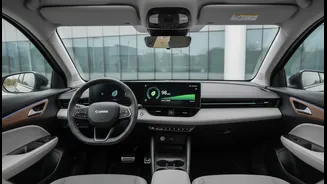
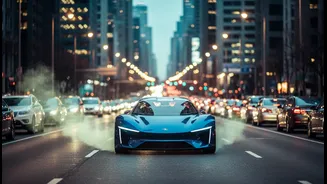
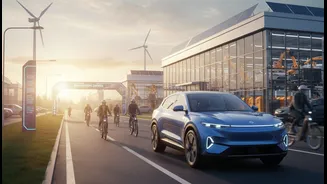
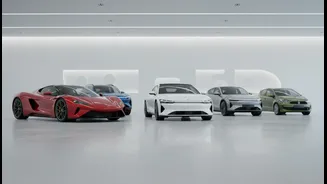
While bikes and scooters provide the numbers, electric Sports Utility Vehicles (SUVs) are driving aspiration and profitability. In the first half of 2026, sales of electric passenger vehicles, overwhelmingly dominated by SUVs, grew by a massive 79% compared to the previous year. Models from automakers like Tata Motors and Mahindra are proving that EVs can be desirable, feature-packed, and capable. These vehicles play a crucial role by attracting new demographics to the EV fold, pushing the boundaries of battery technology and range, and generating the higher margins needed to fund further research and development. The growing popularity of electric SUVs shows a market that is maturing beyond just basic transport and embracing EVs as a mainstream, even premium, choice.
The 'Make in India' Imperative
The long-term success of India's EV journey depends on building a self-reliant manufacturing ecosystem. The government's PLI schemes for automobiles and Advanced Chemistry Cells (ACC) are central to this, providing significant financial incentives to companies that manufacture EVs and their most critical component—batteries—domestically. The goal is to create a robust local supply chain, reduce dependency on imports for key parts like battery cells and motors, and generate millions of jobs. However, this remains a significant challenge. India is still heavily reliant on other countries for raw materials like lithium and for core components, exposing the industry to global supply chain vulnerabilities. Establishing a competitive manufacturing base for everything from battery packs to power electronics is the final, and perhaps most difficult, piece of the puzzle.
Hurdles on the Road Ahead
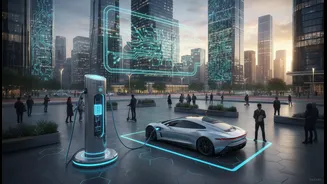
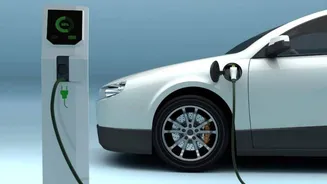
Despite the impressive growth, the path forward is not without its obstacles. The most significant hurdle remains the charging infrastructure. While the network is expanding, it is still seen as inadequate, particularly outside major urban centres, which creates 'range anxiety' for potential buyers. Consumers also face issues with the reliability of charging stations and a fragmented landscape of payment apps. Furthermore, the high upfront cost of electric vehicles, especially four-wheelers, remains a barrier for many, even with government subsidies. For the transition to become truly mainstream, the industry and government must work together to make charging as seamless as refuelling and continue to bring down vehicle costs.