





The Challenge: Making EVs Emotionally Engaging
For many driving enthusiasts, the visceral experience of a petrol-powered car—the rumble of the engine, the satisfying kick of a gear change, and the crescendo of noise as you accelerate—is a huge part of the appeal. Electric vehicles, with their silent,
single-gear powertrains, offer a different, more serene experience. While efficient and incredibly quick, this quiet nature can feel sterile to drivers accustomed to the sensory feedback of an internal combustion engine (ICE). Hyundai's high-performance N division has tackled this perceived drawback head-on, not by ignoring it, but by leaning into it with sophisticated technology designed to bring the 'soul' of a petrol car into the electric era.
The Technology: N e-Shift and N Active Sound+
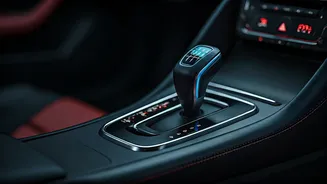
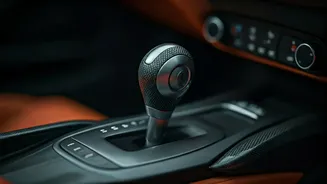
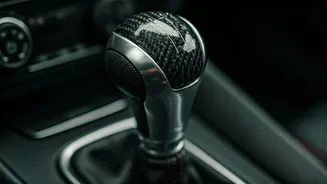
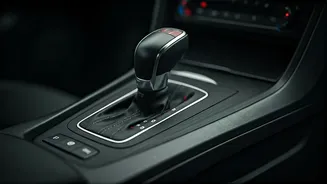
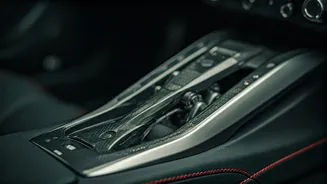
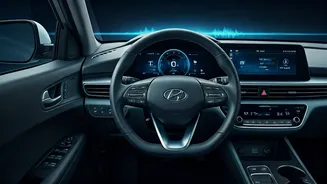
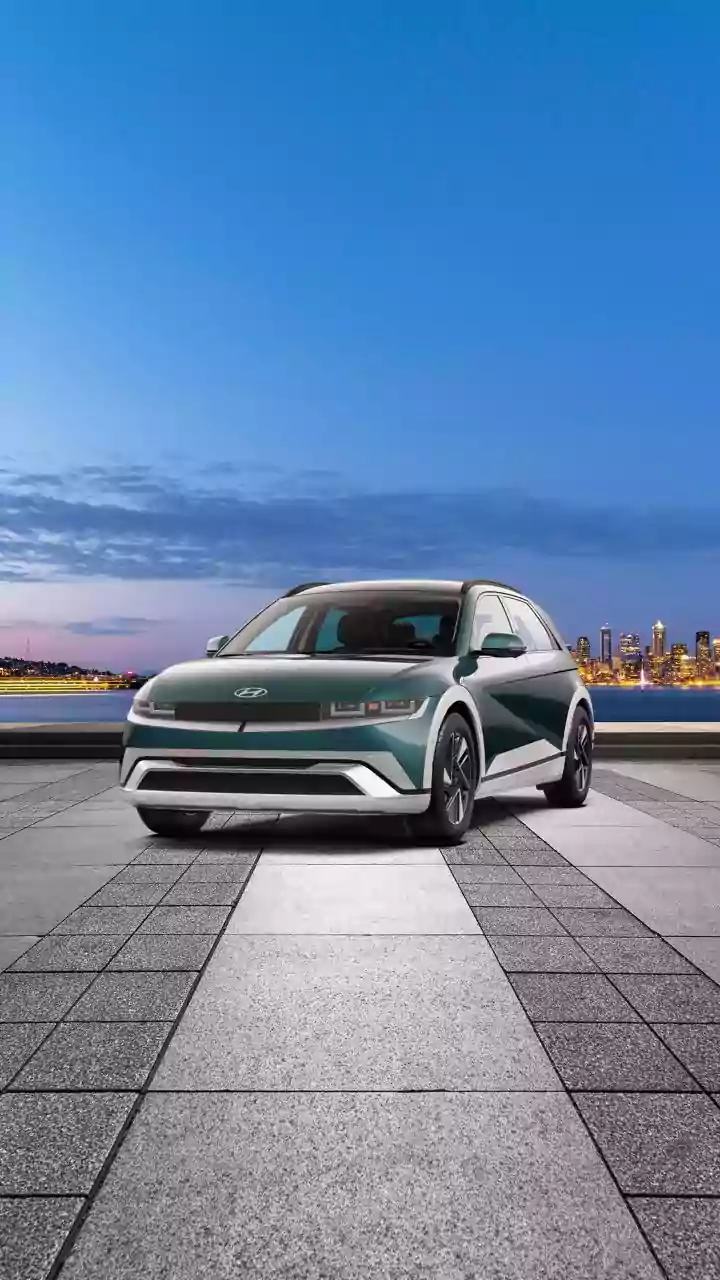
At the heart of this strategy are two key technologies showcased in the acclaimed Hyundai Ioniq 5 N: N e-Shift and N Active Sound+. N e-Shift is a clever software system that simulates an eight-speed dual-clutch transmission (DCT). It controls the motor's torque to create the sensation of gear changes, complete with a subtle jolt and the ability to hit a simulated 'rev limiter' if you don't 'upshift' using the paddle shifters. This gives the driver a more interactive experience, requiring them to manage the power in a way that is familiar to ICE drivers. Complementing this is N Active Sound+, which uses a combination of ten internal and external speakers to generate realistic engine and exhaust notes. These aren't just generic sounds; they are meticulously designed to match the driver's throttle input and the simulated gear, with modes that can mimic everything from a traditional N-performance engine to the futuristic whine of a jet fighter. This combination of tactile and auditory feedback aims to create a convincing and emotionally engaging driving experience.
Why Recreate the Past?
It might seem counterintuitive to make a futuristic EV mimic an older technology, but Hyundai's strategy is rooted in understanding driver psychology. For many, the transition to EVs is a hurdle not just because of range or charging, but because of the loss of a familiar and beloved driving experience. By offering a bridge between the old and the new, Hyundai aims to make high-performance EVs more accessible and desirable to traditional car lovers. The goal isn't just to make noise for its own sake; it's to provide the driver with crucial feedback for high-performance driving on a track, where the sound of the engine helps a driver judge speed and grip. The overwhelmingly positive reception to the Ioniq 5 N suggests they've succeeded, with many reviewers noting that while the features sound like a gimmick, they are surprisingly effective and fun in practice.
The Future: More Realism and Wider Adoption
Hyundai is not stopping here. The company's head of R&D, Manfred Harrer, has confirmed that they are already working on the next generation of this technology, aiming to make it even more realistic. Future enhancements could include simulated idle vibrations, exhaust backfiring sounds, and even physical vibrations through the chassis to further blur the line between EV and ICE performance cars. Initially launched on the flagship N models, there are plans to roll out versions of this technology to more mainstream Hyundai EVs. This move has been so successful that other manufacturers, including Porsche and Honda, who were initially skeptical, are now developing similar systems for their own electric vehicles.