



The Contenders: A Tale of Two Grains
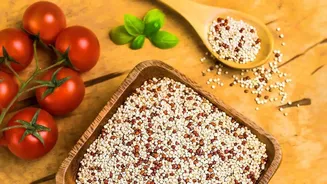
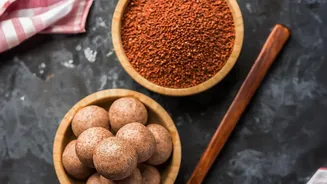
The modern health-conscious kitchen is a battleground of ancient grains. On one side, we have quinoa, a South American 'pseudocereal' that stormed the global health scene with its impressive protein profile. On the other, there's ragi, or finger millet,
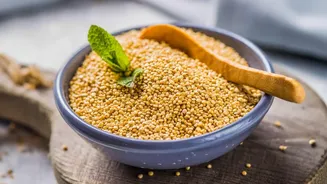
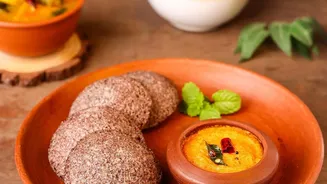
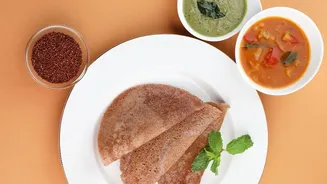
a staple grain that has nourished Indians for centuries, famed for its resilience and robust nutritional content. While quinoa became the go-to for salads and protein bowls, ragi has been the soul of traditional rotis, dosas, and porridges. The comparison isn't just about old versus new; it's about understanding what each grain truly offers, especially when it comes to one of the most crucial nutrients for overall health: dietary fibre.
The Main Event: The Fibre Face-Off
Dietary fibre is essential for good health, aiding digestion, helping to manage blood sugar levels, and promoting a feeling of fullness, which can assist in weight management. When we put ragi and quinoa head-to-head on this metric, a clear winner emerges. According to data from the Indian Food Composition Tables (IFCT 2017), ragi contains about 11.2 grams of dietary fibre per 100g. Other sources suggest this figure can be as high as 11g. In comparison, quinoa offers around 7 grams of fibre per 100g. Some sources even place quinoa's fibre content a bit lower and ragi's a bit higher, widening the gap further. This makes ragi a significantly richer source of fibre. A diet high in fibre, like one incorporating ragi, is excellent for maintaining gut health and ensuring regular bowel movements. Both grains have a low glycemic index, meaning they release sugar into the bloodstream slowly, but ragi's higher fibre content gives it a distinct advantage in promoting satiety and digestive wellness.
Beyond Fibre: A Look at the Bigger Picture
While ragi wins the fibre battle, the nutritional story doesn't end there. Quinoa's main claim to fame is its status as a 'complete protein', meaning it contains all nine essential amino acids that our bodies cannot produce on our own. Quinoa provides about 13-14g of protein per 100g, which is nearly double the 7-8g found in ragi. This makes quinoa an excellent choice for vegetarians, vegans, and anyone looking to boost their protein intake. However, ragi has its own superstar nutrient: calcium. Ragi is a calcium powerhouse, containing approximately 344mg per 100g. This is substantially more than quinoa, which has around 47-198mg. For bone health, ragi is the undisputed champion among grains, making it an invaluable food for children, women, and the elderly. When it comes to iron, both are good sources, with some data suggesting quinoa has a slight edge.
The Indian Context: Cost and Culture
For the average Indian household, the comparison must also include price and accessibility. Quinoa, being an imported grain, is significantly more expensive than ragi. Ragi is grown locally, is deeply rooted in Indian culinary traditions, and is a far more affordable and sustainable choice for daily consumption. The idea that one must choose an expensive, imported grain for health is a myth. Indian millets like ragi, bajra, and jowar offer incredible nutritional benefits that are often perfectly aligned with the dietary needs of the population, addressing common deficiencies like calcium and iron. Furthermore, traditional Indian meal structures, which often pair grains with dals (lentils) or curd, naturally create a complete protein profile, mitigating quinoa's primary advantage.
The Verdict: Which Grain Is for You?
So, ragi or quinoa? The best choice depends entirely on your personal health goals and priorities. If your main objective is to increase your dietary fibre intake and boost your calcium levels affordably, ragi is the superior option. Its high fibre content makes it fantastic for digestive health and weight management, while its calcium content is unmatched for bone strength. If your focus is on maximising high-quality, complete protein from a plant-based source, and budget is less of a concern, quinoa is an excellent choice. It’s ideal for athletes, those building muscle, or anyone on a strict vegan diet. Ultimately, there is no need to declare one an absolute winner. Both grains are gluten-free, nutritious, and can be part of a healthy diet. The real takeaway is the rediscovery and appreciation of our own traditional superfoods like ragi, which stand tall even next to global health trends.