

More Than Just a Meal
To understand the magic of Bhoger Khichuri, one must first understand 'bhog'. In Hindu tradition, bhog is the food offered to a deity as an act of devotion. During Durga Puja, this offering to the Goddess is prepared with the utmost care and purity. After
being sanctified, it is distributed to devotees as 'prasad'. Consuming this food is considered a blessing, a way to establish a spiritual connection with the divine. Bhoger Khichuri is the centerpiece of this sacred offering, especially on the significant day of Ashtami. It’s a meal that nourishes both body and soul, transforming a simple community lunch into a profound spiritual experience.
The Alchemy of Simplicity
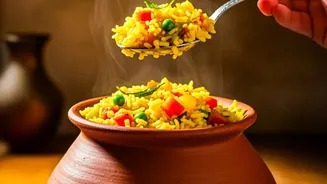
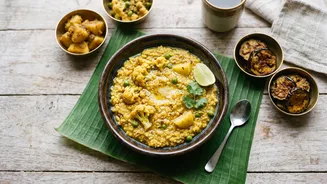
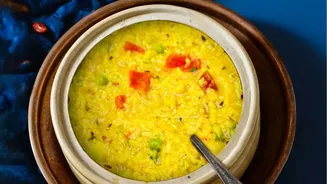
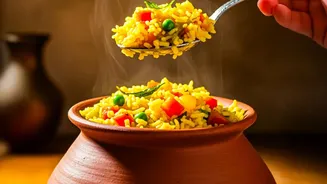
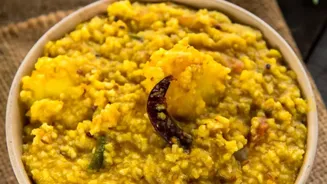
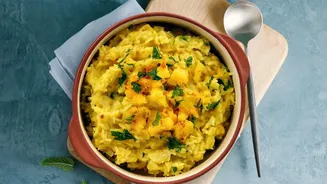
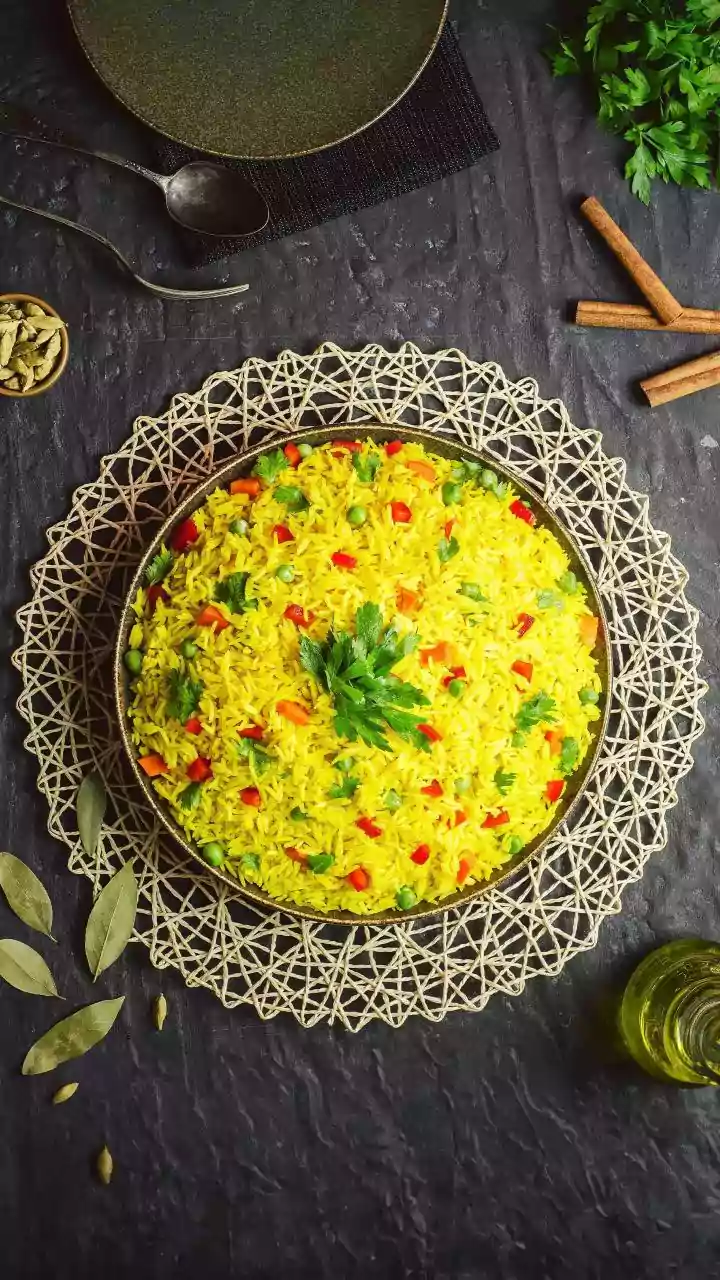
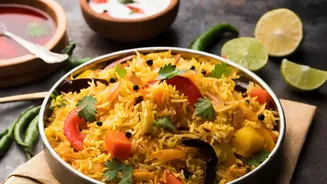
What makes Bhoger Khichuri taste so distinctively divine? The secret lies in its specific preparation and ingredients. It is strictly 'niramish'—a Bengali term for vegetarian food prepared without onions or garlic, which are considered 'tamasic' or non-spiritual ingredients. The foundation of the dish is fragrant, short-grained Gobindobhog rice and sonar moong dal (split yellow lentils) that are dry-roasted to release a nutty aroma. This mixture is slow-cooked with seasonal vegetables like cauliflower, potatoes, and green peas, and spiced with ginger, bay leaves, cumin, and a touch of Bengali garam masala. The final flourish is a generous dollop of ghee, which brings all the flavours together into a creamy, comforting whole. While many try to replicate it at home, the version served at the pandal is said to be inimitable.
A Taste of Community and Togetherness
Beyond its religious significance, Bhoger Khichuri is a powerful symbol of unity. The preparation is a massive community effort, with volunteers coming together to cook enormous pots of khichuri to feed thousands of visitors. At the puja pandal, social barriers dissolve as people from all walks of life sit together, often on the floor, to share the same meal. This act of eating together fosters a deep sense of belonging and harmony. Serving and sharing the bhog is as important as the puja itself, reinforcing the festival’s message of togetherness. The khichuri represents a harmonious blend of elements, much like how Durga Puja brings together a diverse community for a few days of shared celebration.
A spoonful of Nostalgia
For many Bengalis, the taste of Bhoger Khichuri is inextricably linked to childhood memories. It evokes images of dressing up in new clothes for Ashtami Anjali (morning prayers) and then eagerly waiting in line with friends and family for a plate of the hot, steaming prasad. The meal is traditionally served on a 'shal patar thala' (a plate made of sal leaves), which adds its own subtle fragrance to the food. This connection to cherished memories and family traditions is a significant reason for its enduring popularity. Each spoonful carries not just the flavour of rice and dal, but the warmth of past celebrations and the comforting feeling of homecoming that defines Durga Puja.