





1. The Classic Podi & Tadka Method
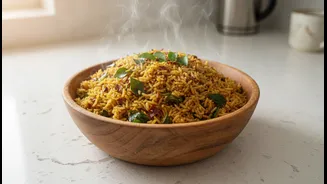
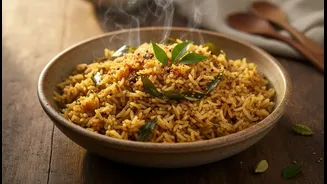
This is the most traditional way to prepare curry leaf rice and relies on a flavourful spice powder, or 'podi'. To make the podi, you dry roast curry leaves until crisp, along with lentils like chana dal and urad dal, dried red chillies, and sometimes
a hint of tamarind or black pepper. Once cooled, these ingredients are ground into a coarse powder. This podi can be made in a larger batch and stored for weeks, making weekday prep incredibly fast. To assemble the dish, you simply heat sesame oil, prepare a 'tadka' by spluttering mustard seeds, and perhaps add some cashews or peanuts for crunch. Stir in the pre-made podi, mix it with cooked rice, and your meal is ready in minutes. It's a perfect way to use leftover rice and bring authentic South Indian flavour to your table with minimal effort.
2. The Quick Fresh Paste Technique
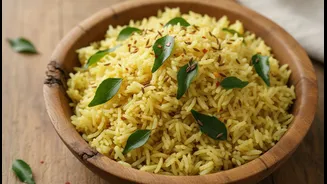
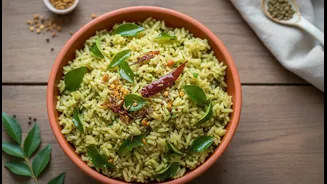
When you don't have a pre-made spice powder, the fresh paste method is your best friend for a quick dinner. Instead of dry roasting, you simply blend a generous handful of fresh curry leaves with a few other ingredients to form a wet paste. Common additions to the paste include ginger, garlic, green chillies, and sometimes a little coconut for creaminess or tamarind for a tangy note. This paste is then sautéed in hot oil for a minute or two to cook off the raw flavours before cooked rice is added and tossed to combine. This approach delivers a vibrant, fresh green colour and a potent, herbaceous aroma that is slightly different from the deeper, roasted flavour of the podi method. It’s an excellent option when you are short on time but have fresh curry leaves on hand.
3. The Nutty & Crunchy Variation
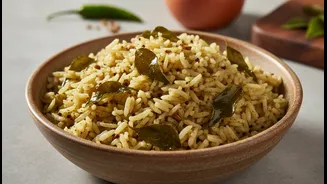
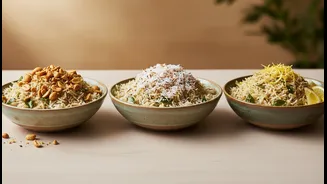
For those who love texture in their food, this variation is a clear winner. The base of the dish can be made with either the podi or the paste method, but the star of the show is the generous addition of nuts and lentils that provide a satisfying crunch in every bite. Peanuts and cashews are the most popular choices. They should be roasted in ghee or oil until golden brown before being mixed into the rice. This not only adds texture but also a rich, nutty flavour that complements the earthiness of the curry leaves. Beyond just peanuts, you can increase the amount of chana dal and urad dal in your tadka, frying them until they are crisp to layer in even more texture. This simple addition transforms the humble rice dish into a more substantial and texturally exciting meal.
4. The Vegetable-Loaded Rice
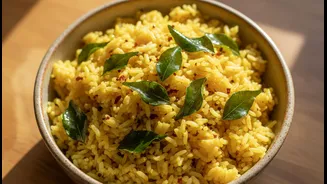
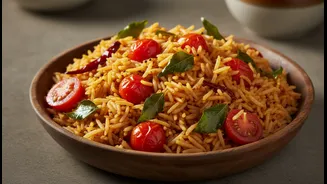
Turn your curry leaf rice into a complete one-pot meal by loading it with vegetables. This is a fantastic way to clean out your refrigerator and add extra nutrients. The key is to use quick-cooking vegetables that won't become mushy. Finely chopped carrots, peas, green beans, and bell peppers are all excellent choices. You can even add onions for a sweeter, more savoury base. The vegetables can be sautéed right after the initial tadka, before you add the curry leaf paste or powder. Cook them until they are tender-crisp, then mix in the rice. This method not only adds flavour and nutrition but also beautiful colour, making the dish even more appealing. It's a balanced and wholesome meal that comes together in a single pan, minimizing cleanup on a busy weeknight.
5. The Coconut & Coriander Twist
For a slightly different flavour profile that is fresh, zesty, and subtly sweet, try incorporating fresh coriander and grated coconut. In this version, you can create a paste by blending curry leaves, fresh coriander leaves, and grated coconut together. This mixture creates a wonderfully fragrant base that is brighter than a traditional curry leaf podi. The coconut adds a hint of sweetness and richness that balances the other flavours. Sauté this green paste in oil, then toss with cooked rice, seasoning with salt. A final squeeze of lemon juice just before serving can elevate the flavours even further, adding a touch of acidity that makes the entire dish pop. This variation is particularly refreshing and offers a delightful change of pace from the more common preparations.