


The Indian Foundation: Robust and Spice-Rich
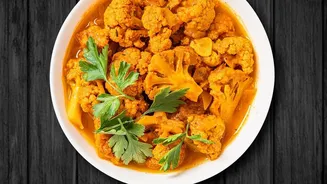
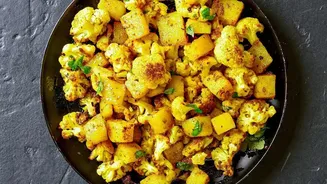
In Indian cooking, cauliflower isn’t just an addition; it’s a star ingredient celebrated for its ability to hold its own against bold spices. Dishes like Aloo Gobi, a comforting stir-fry with potatoes, showcase cauliflower’s earthy side. The florets are
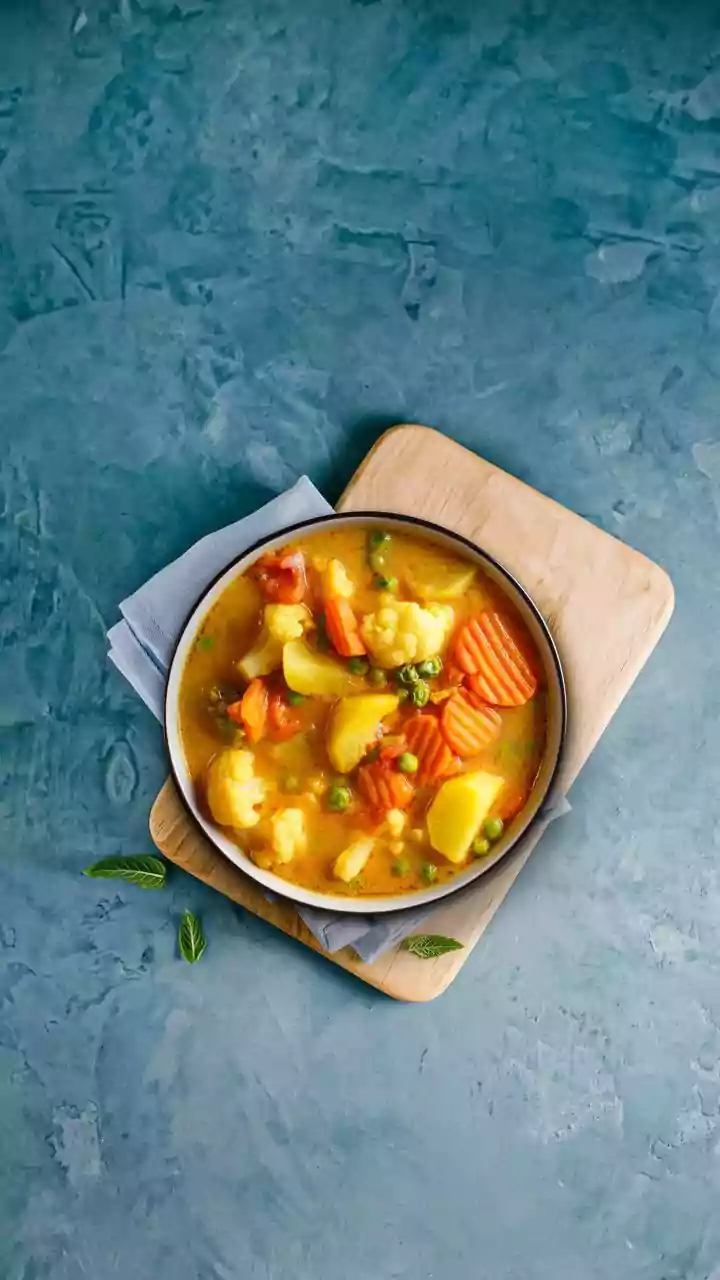
often cooked with onion, tomato, ginger, garlic, and a host of spices like turmeric, cumin, and coriander until tender but not mushy. A key technique to prevent sogginess is to pan-fry or even deep-fry the cauliflower and potatoes separately before combining them with the masala base. This step ensures the vegetables retain their texture. For a richer preparation, Gobi Masala features cauliflower in a creamy, tomato-based gravy, proving the vegetable can be both the foundation of a dry sabzi and the heart of a luscious curry.
Southeast Asian Styles: Creamy and Aromatic
Travel east, and cauliflower takes on a completely different personality. In Thai and other Southeast Asian cuisines, it softens into creamy, coconut milk-based sauces. A typical Thai red or green curry pairs cauliflower with ingredients like red curry paste, ginger, and fresh basil. Unlike Indian preparations where the cauliflower is often the main texture, here it becomes a tender vessel, soaking up the fragrant, slightly sweet, and spicy broth. The cooking process is often quicker, aiming to keep the florets tender-crisp rather than deeply stewed. This style highlights the vegetable's ability to complement lighter, aromatic flavours, making it a perfect partner in a vibrant medley of vegetables.
Global Fusion: The Roasting Revolution
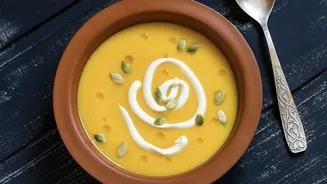
In Western kitchens, the most popular modern technique for preparing cauliflower is roasting. High heat transforms the florets, creating caramelized, nutty, and slightly sweet edges that provide a complex flavour base before a curry element is even introduced. Many global fusion recipes call for tossing cauliflower in olive oil and curry powder, along with spices like smoked paprika and turmeric, and roasting until browned and tender. This roasted cauliflower can then be served as a side dish or incorporated into a larger dish, perhaps with a curry-spiced yogurt sauce or blended into a smooth, creamy soup. This method is less about simmering in a sauce and more about building flavour through dry heat, showcasing a completely different textural potential.
Core Principles for the Perfect Cauliflower Curry
Regardless of the cuisine, a few rules help elevate any cauliflower curry. First, avoid overcooking. Whether simmering or roasting, the goal is a tender floret that still holds its shape, not a mushy paste. To achieve this, many Indian recipes advise against adding too much water at once and cooking the cauliflower until it is just tender. Another key is managing moisture; for dry curries like Aloo Gobi, pan-frying the florets beforehand prevents them from steaming and becoming soggy. Finally, consider the size of your florets. Cutting them into uniform, bite-sized pieces ensures even cooking, whether they are destined for a quick Thai curry or a slow-simmered Indian masala.