


Understanding Yoga: Posture and Presence
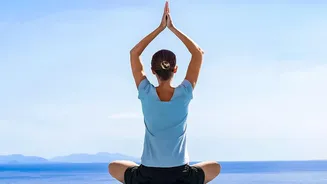
Originating in ancient India, yoga is a holistic practice aiming to unite mind, body, and spirit. The form most people recognise today involves a series of physical postures called asanas, breathing techniques known as pranayama, and meditation. Yoga
classes can vary dramatically in style, from dynamic, athletic flows that build muscular strength to slower, more meditative sessions focused on flexibility and holding poses. Regardless of the style, the core idea is to use the breath to guide the body through a series of positions, which can be performed standing, sitting, or lying down. This process cultivates a deep connection to your body, enhancing both strength and postural awareness.
Discovering Tai Chi: Meditation in Motion
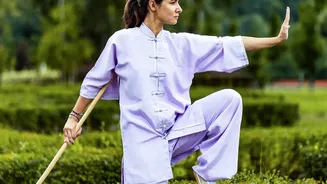
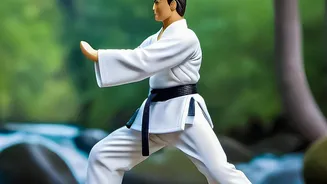
Tai chi, often described as "meditation in motion," is a gentle exercise that originated in China as a martial art. It is rooted in Taoist principles and the concept of Qi, or vital life energy, that flows through the body. Unlike the static holds found in many yoga styles, tai chi is characterized by slow, graceful, and continuous movements that flow from one to the next. The practice is typically performed while standing and emphasizes a mindful shifting of weight, which is a key reason it is highly regarded for improving balance. Each sequence is derived from martial arts applications, but the focus in modern practice is almost entirely on health, relaxation, and internal energy flow.
The Common Ground: Breath and Awareness
Despite their different origins and styles, yoga and tai chi share a profound common ground. Both are low-impact disciplines that place a huge emphasis on the mind-body connection. They teach practitioners to synchronize their breath with their movements, fostering a state of mindfulness that can reduce stress and calm the nervous system. Both practices are proven to improve balance, flexibility, coordination, and an overall sense of body awareness, known as proprioception. They serve as an antidote to a fast-paced world, encouraging you to slow down and pay attention to the present moment, whether you are holding a pose or flowing through a sequence.
Distinctive Paths: Flow vs. Form
The primary difference lies in the execution of movement. Tai chi is defined by its constant, flowing motion, where the body is always moving in a slow and controlled manner. Yoga, while it can be flowing, is often structured around moving into and holding static poses. This distinction impacts the primary physical benefits: research suggests tai chi may have an edge in improving balance and preventing falls, making it particularly beneficial for older adults. Yoga, on the other hand, is often highlighted for its effectiveness in increasing overall flexibility and building core and muscular strength due to its variety of held postures.
Which Practice is Right For You?
Choosing between yoga and tai chi depends entirely on your personal goals and physical needs. If you are seeking to significantly increase your flexibility, build muscle, and don't mind getting on the floor for various poses, yoga might be the better fit. If your main goal is to improve your balance, find a gentle form of exercise that is easy on the joints, or engage in a moving meditation that keeps you on your feet, tai chi is an excellent choice. Someone recovering from an injury or with chronic conditions might prefer the gentle, continuous movements of tai chi. An individual looking for a more vigorous workout might gravitate toward a dynamic style of yoga. Ultimately, there is no wrong answer, and both practices offer a path to greater well-being.