


1. The Side Plank
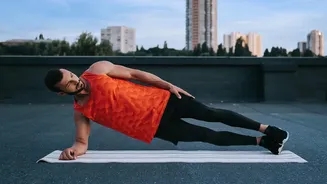
This variation is the ultimate move for targeting your obliques, the muscles running along the sides of your torso. A strong set of obliques contributes to a stable spine and helps prevent rotational injuries. This move also builds significant strength
in your shoulders. To perform a side plank, lie on your side with your legs straight and stacked. Position your forearm on the floor directly under your shoulder. Engage your core and lift your hips until your body forms a straight line from your head to your feet. Avoid letting your hips sag. Hold this position, then repeat on the other side. For beginners, this can be done from your knees to reduce the intensity while maintaining good form.
2. The Plank with Dumbbell Row
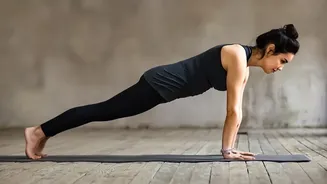
Combining a plank with a row transforms the exercise into a full-body challenge, simultaneously hitting your core, back, and arms. This compound movement forces your core to work overtime to prevent your torso from rotating, a skill known as anti-rotation, which is crucial for stability. Start in a high plank position with your hands gripping dumbbells and your feet slightly wider than hip-width for balance. Keeping your hips square to the floor, pull one dumbbell up towards your chest, keeping your elbow close to your body. Lower the weight with control and repeat on the other side. If you're new to this move, you can perform it without weights or from your knees to master the stability aspect first.
3. The Reverse Plank
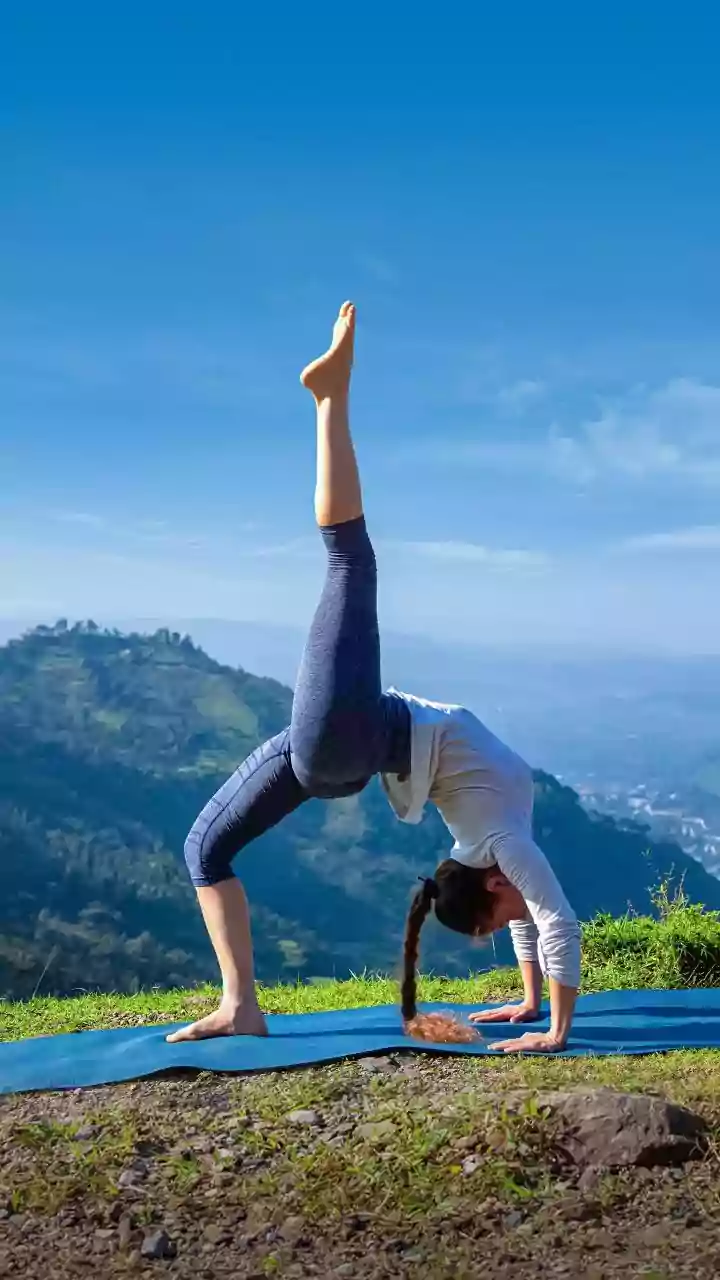
While most planks focus on the front of the body, the reverse plank targets your entire posterior chain. This is incredibly beneficial for counteracting the effects of prolonged sitting, which can lead to weak glutes and a hunched posture. The reverse plank strengthens your lower back, glutes, and hamstrings while opening up your chest and shoulders. To do it, sit on the floor with your legs extended in front of you. Place your hands on the floor behind you, fingers pointing toward your feet. Press into your hands and lift your hips toward the ceiling until your body forms a straight line from your shoulders to your heels. Squeeze your glutes and keep your core engaged throughout the hold.
4. The Walking Plank
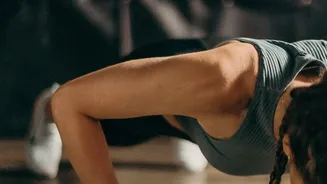
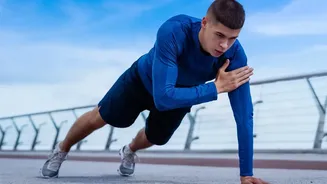
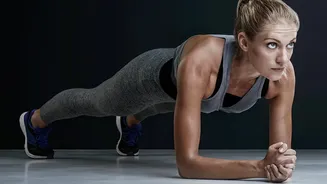
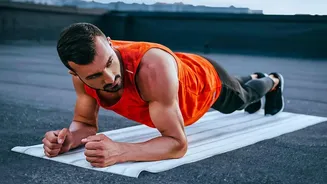
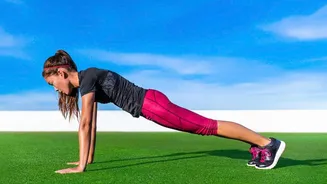
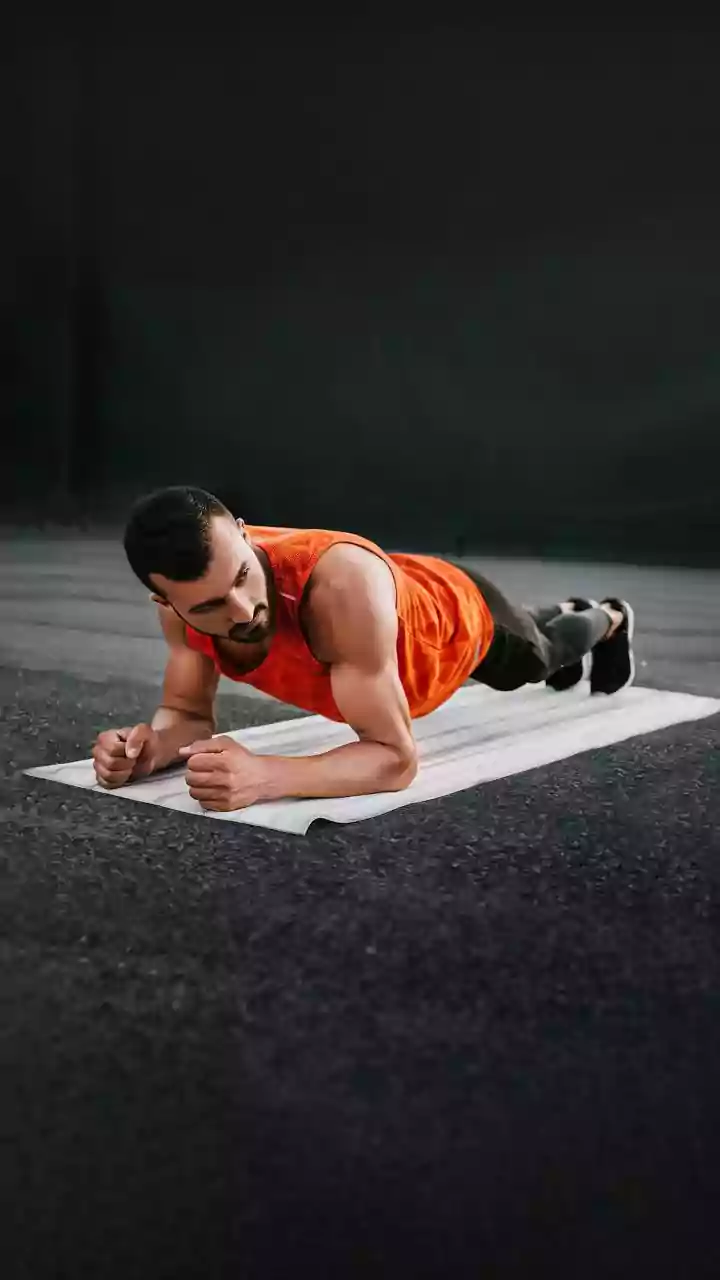
Also known as a plank up-down, this dynamic variation builds serious strength and endurance in your shoulders, arms, and chest, all while your core works hard to maintain stability. It’s a fantastic way to increase the intensity of a standard plank and improve coordination. Begin in a high plank position on your hands. Lower one forearm to the ground, followed by the other, to arrive in a forearm plank. From there, push back up onto one hand, then the other, to return to the starting high plank position. The key is to keep your hips as still as possible throughout the movement, avoiding any rocking from side to side.
5. The Extended Plank
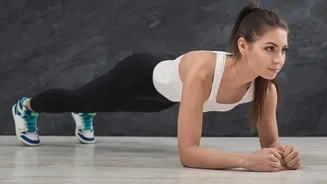
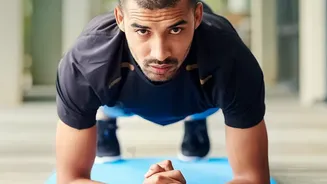
If a standard plank feels too easy, simply walking your hands or forearms forward a few inches dramatically increases the challenge. This extended lever length forces your rectus abdominis and deep core stabilizers to work much harder to prevent your lower back from arching. It also puts a greater demand on your shoulders and lats. Get into a forearm or high plank position. Slowly walk your hands or forearms forward until you feel a significant increase in core engagement. Your body should still form a straight, rigid line. Hold for as long as you can maintain perfect form, ensuring your hips do not sag toward the floor. This small adjustment makes a massive difference in intensity and effectiveness.