




The First-Time Buyer Effect
The primary engine of this renewed momentum is the return of the first-time car buyer. Recent data shows a significant surge in this demographic, with some reports indicating they now make up a substantial majority of all customers. For instance, market
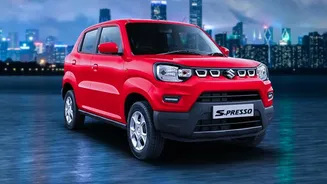
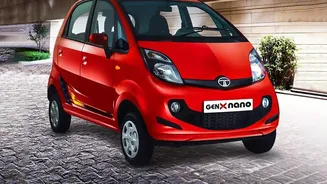
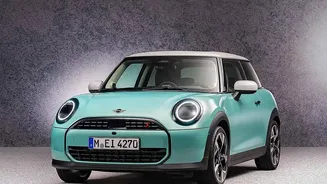
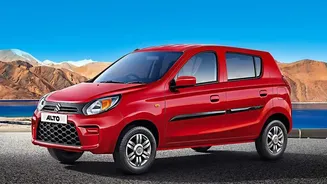
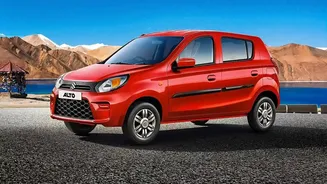
leader Maruti Suzuki reported that first-time buyers accounted for 54% of its sales between April and August 2026, a sharp increase from 42% in the previous year. This wave of new owners, many from non-metro and rural areas, is often upgrading from two-wheelers. For them, an entry-level car is not just a vehicle but a significant step up in safety, convenience, and social mobility. This demographic prioritises affordability and practicality, making the cost-effective nature of small cars a perfect match for their first four-wheeler purchase.
The Power of a Lower Tax Bill
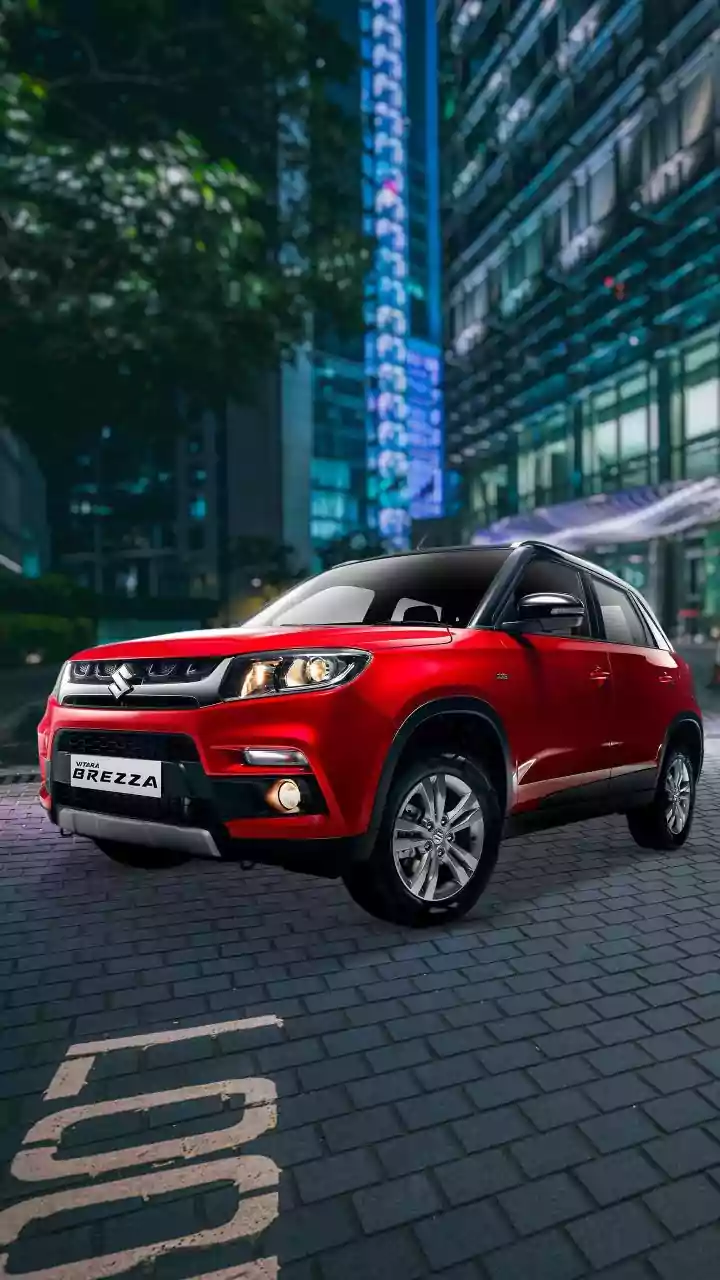
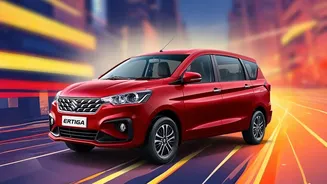
A major catalyst for this trend was the government's introduction of GST 2.0 reforms, effective from September 2025. This crucial policy change significantly lowered the tax burden on smaller vehicles. Cars under four meters in length with smaller engines (up to 1200cc for petrol and 1500cc for diesel) now attract a GST of 18%. This is a dramatic reduction from the previous structure, which could include a 28% GST plus additional cess. In contrast, larger cars and SUVs are now in a 40% GST bracket. This tax differential creates a powerful price advantage for entry-level models. The change has been credited with reviving the small car segment, making these vehicles more accessible and directly contributing to the surge in sales from price-sensitive first-time buyers.
More Than Just a Basic Car
Manufacturers have also changed their approach to the entry-level segment. The small cars of today are a far cry from the bare-bones models of the past. Automakers recognise that even budget-conscious buyers have aspirations. New and updated models in the segment increasingly come equipped with features that were once reserved for more expensive cars, such as touchscreen infotainment systems, connected car technology, and enhanced safety features. This strategy of offering 'more car for the car' has made entry-level vehicles a more compelling value proposition. Buyers no longer feel they are making a significant compromise on features or style, which helps bridge the gap between affordability and modern aspirations.
Economic and Urban Realities
Beyond tax breaks and new features, practical considerations are steering buyers toward smaller vehicles. Rising and volatile fuel prices make fuel efficiency a top priority for daily commuters and families managing a tight budget. Small cars, with their lighter weight and smaller engines, consistently offer better mileage. Furthermore, in India's increasingly congested cities, a smaller footprint is a significant advantage. Maneuverability in heavy traffic and the ease of finding parking make a compact hatchback a far more practical choice for urban life than a bulky SUV. This urban utility, combined with growing disposable incomes in rural markets, creates a broad base of support for the segment. The market is expanding at both ends, with aspirational buyers choosing SUVs while a large, practical base rediscovers the benefits of small cars.