





A Nationwide 'Station Mahotsav'
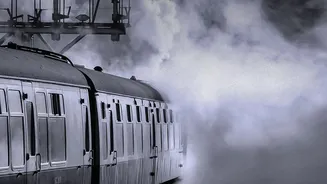
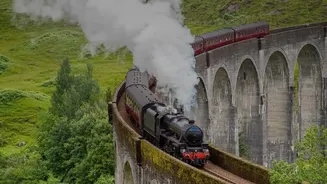
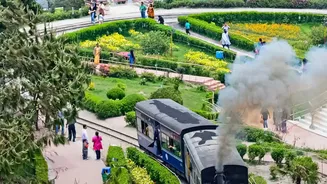
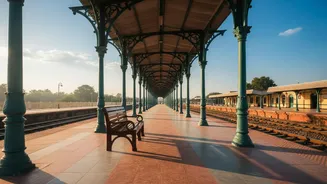
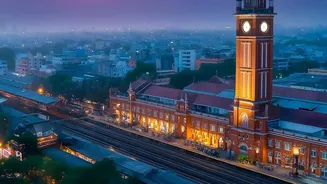
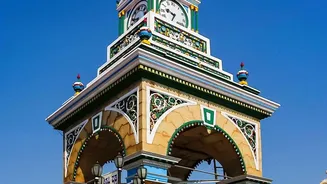
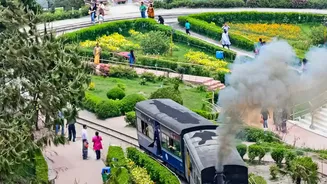
The Railway Board has announced a nationwide 'Station Mahotsav' (Station Festival) to be held between August and November. This initiative aims to celebrate the founding anniversaries of 103 British-era railway stations, turning them into vibrant hubs
of local history and culture. The programme is designed to connect communities with the rich past of their local railway stations, many of which have been silent witnesses to India's journey for over a century. This celebration is part of a larger effort to reinforce national pride and highlight the country's heritage alongside its modern aspirations.
What to Expect at the Celebrations
The festivities planned are more than just a token gesture. The standardized program for the 'Station Mahotsav' includes a variety of engaging events. Commuters and visitors can expect to see historical photo exhibitions, displays of vintage railway equipment, and the unveiling of a special magazine titled 'Virasat Smarika'. In addition, short films showcasing the heritage of these stations will be screened. The celebrations are timed with other national campaigns like 'Har Ghar Tiranga' and events commemorating 'Vande Mataram', aiming to create a powerful atmosphere of patriotism and unity. The goal is to transform these transit points into destinations for cultural engagement.
Stations Steeped in History
The list of 103 stations is a journey through time. It includes 72 stations built in the 19th century and 31 from the early 20th century. Among the oldest are Kalyan in Maharashtra and Howrah in West Bengal, both established in 1854, just a year after the first passenger train ran in India. Other prominent 19th-century stations on the list include Old Delhi Railway Station (1867), Lonavala (1858), and Pune (1925). The list also features newer, yet historically significant, structures from the 1930s like Thiruvananthapuram in Kerala (1931) and the iconic Lucknow Charbagh (1926).
Spotlight on Architectural Gems
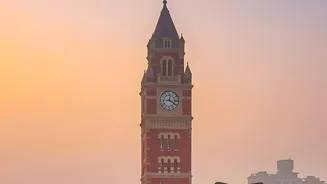
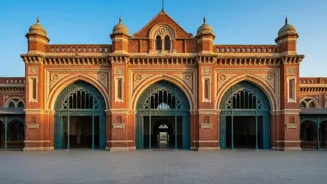
Beyond their age, many of these stations are architectural treasures. Howrah Junction in West Bengal, with its imposing red brick structure and 23 platforms, is one of the busiest and largest railway complexes in the country. Lucknow Charbagh, with its Mughal-inspired domes and minarets, is often cited as one of India's most beautiful stations. In the south, the recently redeveloped Thiruvananthapuram Central stands as a blend of traditional Kerala architecture and modern functionality. These celebrations offer a chance to appreciate these buildings not just as places of transit, but as important pieces of India's architectural and cultural fabric.
Connecting Heritage with Modernisation
This celebration of heritage is happening alongside a massive push for modernisation. The 'Station Mahotsav' complements the Amrit Bharat Station Scheme, a major initiative launched in 2022 to redevelop over 1,300 railway stations nationwide. The Amrit Bharat scheme aims to transform stations into 'city centres' with modern amenities like improved accessibility, Wi-Fi, executive lounges, and better integration with local transport. A key feature of this scheme is its focus on incorporating local heritage and culture into the station designs, ensuring that while the facilities are modern, the soul of the station remains rooted in its history. This dual approach reflects the national motto of 'Vikas bhi, Virasat bhi' (Development and Heritage).