



The Surface-Level Shine
On the face of it, the numbers look spectacular. August 2026 clocked the highest-ever retail sales for that month, with a significant 17.5% year-on-year jump. Categories like passenger vehicles (PVs) and two-wheelers saw growth of over 16% and 19% respectively.
Automakers are ramping up production, and industry bodies express cautious optimism for the crucial September to November period, which typically accounts for a large chunk of annual sales. Recent sales during the Onam festival in Kerala, with growth of up to 20%, have further bolstered this positive sentiment, suggesting that consumer demand is robust. This has led to a widespread narrative that the Indian consumer is back with a vengeance, ready to spend big on new vehicles.
The Main Qualification: Wholesale vs. Retail
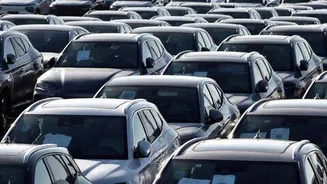
Herein lies the most important distinction: the difference between wholesale and retail figures. Wholesale numbers reflect the units that manufacturers dispatch to their dealerships. Retail numbers are what dealers actually sell to customers. While recent retail numbers have been strong, wholesale dispatches have been even stronger. This has led to a significant build-up of inventory at dealerships. According to the Federation of Automobile Dealers Associations (FADA), passenger vehicle inventory stood at around 38-40 days at the start of September, well above the recommended benchmark of 21 days. This signals that manufacturers have been pushing stock to showrooms in anticipation of festive demand, but the real test is whether customers will actually buy these cars. High inventory can be a sign of confidence, but it can also become a burden on dealers if demand doesn't meet expectations, often leading to heavy discounting later to clear stock.
A Tale of Two Consumers
The demand story is not uniform across all segments. The premium end of the market, particularly for SUVs, continues to fire on all cylinders. However, the entry-level segment for both cars and two-wheelers presents a more mixed picture. While rural demand has shown surprising resilience and has even outpaced urban growth in recent months, the impact of a patchy monsoon on farm incomes remains a significant concern. This is reflected in the nearly flat sales of tractors in August, a key indicator of the rural economy's health. The growth in rural passenger vehicle sales seems to be driven more by the non-farm rural economy. This bifurcation suggests that while one set of consumers is upgrading to more expensive vehicles, another is still grappling with affordability and cost-of-living pressures, impacting the mass-market segments.
The Shift Under the Hood
Another crucial trend is the dramatic shift in fuel preference. For the first time in August 2026, the combined retail share of alternative fuel vehicles (CNG, EV, and hybrid) surpassed that of petrol-powered cars. CNG and electric vehicles are no longer niche players but are making significant inroads, especially in the passenger and commercial vehicle segments. Electric two-wheelers have also crossed the 10% market share milestone in a non-festive month for the first time. This indicates a structural change in the market. While it contributes to overall volume growth, it also adds complexity for manufacturers managing different powertrain technologies and for dealers managing varied inventory. This isn't just a simple growth story; it's a market in transition.