





Meet the Golden Duo
Though they look similar and belong to the same plant family, turmeric (haldi) and ginger (adrak) have distinct personalities. Ginger is known for its pungent, spicy-sweet heat and zesty aroma. Think of the sharp kick in a cup of chai or the fragrant
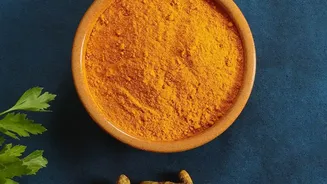
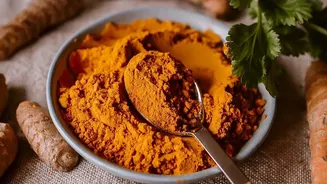
base of a stir-fry. Turmeric, its more mellow cousin, is less about heat and more about a warm, earthy, and slightly bitter flavour. Its most famous contribution is its brilliant golden-orange hue, which gives many curries their signature colour. Both are rhizomes, or underground stems, that can be used fresh or dried and powdered. While the dried forms are convenient, using them fresh provides a brighter, more potent flavour.
A Tradition of Wellness
For thousands of years, both turmeric and ginger have been central to Ayurvedic and other traditional medicine systems. Modern science has begun to explore these ancient claims, focusing on the active compounds within each. Turmeric contains curcumin, a powerful antioxidant that has been widely studied for its anti-inflammatory properties. Ginger contains gingerols, which are valued for their ability to aid digestion and soothe nausea. Together, they are thought to offer complementary benefits, potentially supporting immune function and helping to manage inflammation. While not a cure-all, incorporating them into a balanced diet is a delicious way to embrace their wellness potential.
Buying and Storing for Freshness
When buying fresh turmeric and ginger, look for roots that are firm, plump, and heavy for their size, with smooth skin. Avoid any that look shriveled, soft, or mouldy. To prepare them, you can easily scrape away the thin skin with the edge of a spoon. Store unpeeled ginger and turmeric in the refrigerator, wrapped in a paper towel or in a bag, where they can last for a few weeks. For longer-term storage, both can be peeled, chopped or sliced, and frozen in an airtight container for months. This way, you'll always have them on hand to grate directly into your dishes.
Effortless Everyday Cooking
Moving beyond just curries, these spices can elevate many simple meals. A common starting point for many Indian dishes is a paste of ground ginger, garlic, and turmeric. You can grate fresh ginger and turmeric into dal for a fragrant lift, or toss them with roasted vegetables. A simple turmeric rice, made by sautéing the spice with ginger and garlic before adding rice and water, can turn a plain side dish into something special. They also work beautifully in marinades for chicken, fish, or tofu, and can be whisked into salad dressings for a zesty, colourful twist.
Soothing Sips and Warm Drinks
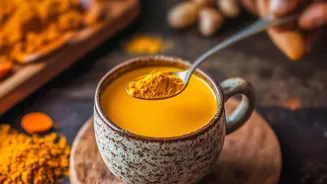
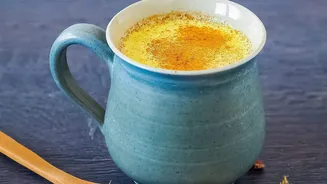
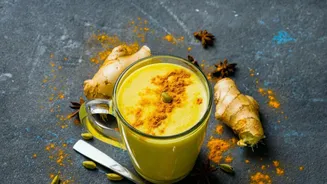
One of the easiest ways to enjoy ginger and turmeric is in a warm beverage. A simple tea can be made by simmering slices of fresh ginger and turmeric in water for about 10 minutes before straining. A squeeze of lemon and a spoonful of honey can be added for extra flavour. Perhaps the most famous turmeric drink is 'golden milk', or haldi doodh. This comforting beverage involves warming milk with turmeric and other spices like cinnamon and black pepper, which is thought to help the body absorb curcumin. For a refreshing cold drink, try blending fresh ginger and turmeric with lemon juice, water, and a little sweetener for a zesty morning wellness shot.
Try a Simple Pickle
For a condiment that packs a punch, consider making a quick turmeric and ginger pickle, or achaar. This traditional Indian preparation is a fantastic way to preserve the fresh roots and add a burst of flavour to meals. Simply combine thinly sliced or julienned fresh ginger and turmeric with lemon juice, salt, and finely chopped green chillies. You can also add other whole spices like mustard seeds. After letting it sit for a day or two for the flavours to meld, this spicy, tangy, and salty condiment can be enjoyed in small amounts alongside dal, rice, and vegetable dishes.