







The New Highways of Growth
For years, the busiest travel corridors in India have been the well-trodden paths between its largest metropolitan centres. Routes like Mumbai-Pune and Delhi-Agra continue to see the highest volume of trips, according to Uber's latest data from the April-June
2026 period. However, the real story lies in the growth figures. The index highlights that the fastest-growing intercity corridors are now those linking Tier-II cities and popular leisure destinations. Routes such as Ahmedabad-Vadodara, Thrissur-Kochi, Indore-Ujjain, and Kanpur-Lucknow are emerging as the new engines of intercity travel. This trend points to a deeper change in how and why Indians are travelling, moving beyond the traditional metro-to-metro axis for business, leisure, and family visits.
Drivers of the Tier-II Travel Boom
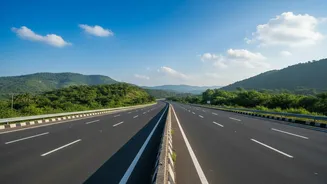
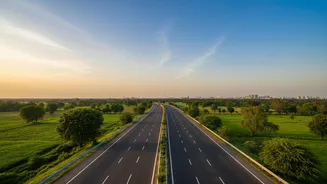
This shift isn't happening in a vacuum. A key enabler is the massive expansion and improvement of India's national highway network. Over the last decade, smoother, wider roads and new expressways have dramatically cut travel times, making road trips a more convenient and appealing option than ever before. This infrastructural push is complemented by profound social and professional changes. The rise of remote work and 'workation' culture has untethered millions of professionals from their office desks, allowing them to travel more freely and for longer durations. Furthermore, there is a growing appetite for experience-led travel, with many Indians exploring heritage sites, pilgrimage centres, and weekend getaway destinations that lie outside the major metros. Destinations like Dehradun, Puducherry, Ajmer, and Mysuru are seeing a strong influx of visitors.
Spotlight on Regional Corridors
A closer look at the data reveals fascinating regional patterns. In Gujarat, the Ahmedabad-Vadodara corridor is not only one of the most popular but also one of the fastest-growing. In the south, the Bengaluru-Mysuru and Thrissur-Kochi routes are buzzing with activity, fueled by a mix of business, tourism, and regular commuters. The industrial and administrative corridor of Lucknow-Kanpur in Uttar Pradesh remains one of the country's busiest. The data also shows a strong preference for round trips on shorter leisure and religious routes. For instance, travellers from Hyderabad frequently book return trips to Yadagirigutta and Kurnool, while those in Delhi favour trips to Agra and Sikar. These micro-trends illustrate a broader pattern: as smaller cities become more economically vibrant and better connected, they generate their own powerful travel ecosystems.
Remapping India's Economic Future
The insights from Uber's index go far beyond just travel statistics; they paint a picture of a changing economic map. For decades, economic growth in India was concentrated in a handful of Tier-I cities. This is no longer the case. Tier-II cities are now becoming crucial centres for investment, manufacturing, IT, and job creation. As businesses expand into cities like Jaipur, Indore, and Coimbatore, they bring employment opportunities and increased economic activity. This economic dynamism creates a virtuous cycle: more jobs lead to higher disposable incomes, which in turn fuels consumer demand, including the demand for travel. The growing connectivity between these cities is both a cause and a consequence of this decentralised growth, knitting together regional economies and creating new corridors of opportunity for businesses and individuals alike.