





Choose Healthier Fats
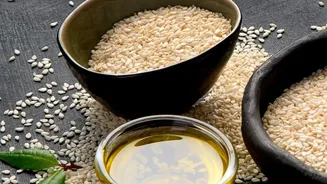
One of the most impactful changes you can make is swapping the types of fats you cook with. Instead of relying on butter or lard, try using non-tropical vegetable oils like olive or avocado oil. These are rich in unsaturated fats, which are better for
heart health. When baking, you can often replace half the oil in a recipe with unsweetened applesauce to cut calories without sacrificing texture. For spreads, consider using mashed avocado or nut butter on toast instead of butter for a dose of healthy fats and extra nutrients.
Embrace Herbs and Spices
A flavourful meal doesn't have to be a salty one. Reducing sodium is crucial for heart health, and a great way to do this is by turning to your spice rack. Fresh and dried herbs, citrus juices, garlic, and salt-free seasoning blends can add incredible depth and complexity to your dishes. Instead of automatically reaching for the salt shaker, experiment with rosemary on chicken, cumin in your chilli, or a squeeze of fresh lime over fish. This simple swap can dramatically lower your sodium intake without making your food taste bland.
Master Lighter Cooking Methods
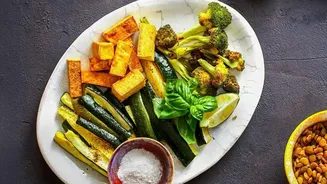
How you cook is just as important as what you cook. Frying foods adds a significant amount of extra fat and calories. Instead, explore healthier cooking techniques like steaming, grilling, baking, or air-frying. Steaming is particularly effective at preserving water-soluble vitamins in vegetables that can be lost during boiling. Grilling and baking are excellent for meats and vegetables, requiring little to no added fat. By choosing these methods more often, you can create lighter, more nutritious versions of your favourite meals.
Go for Whole Grains
Switching from refined grains to whole grains is a powerful upgrade for your diet. Whole grains like brown rice, quinoa, whole-wheat pasta, and oats contain more fibre, vitamins, and minerals than their white, processed counterparts. The extra fibre helps you feel fuller for longer and supports healthy digestion. Start small by swapping white rice for brown rice or trying whole-wheat tortillas instead of flour for your next taco night.
Sneak in More Vegetables
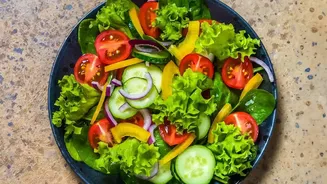
Making vegetables the star of your plate is a cornerstone of healthy eating. A simple goal is to fill half your plate with fruits and vegetables at every meal. This doesn't have to be complicated. You can 'sneak' extra vegetables into dishes by adding spinach to scrambled eggs, pureed carrots into pasta sauce, or shredded zucchini into meatloaf. Bulking out stews and stir-fries with extra vegetables and pulses like beans and lentils not only adds nutrients but also makes meals more satisfying and cost-effective.
Rethink Your Sauces and Toppings
Many store-bought sauces, dressings, and toppings are hidden sources of sugar, unhealthy fats, and sodium. A simple swap is to use plain Greek yoghurt instead of sour cream on tacos or baked potatoes for a boost of protein with less fat. Instead of creamy, bottled salad dressings, try a simple homemade vinaigrette with olive oil and vinegar. When you crave a creamy sandwich spread, swap mayonnaise for mashed avocado to get a similar texture with healthier unsaturated fats.